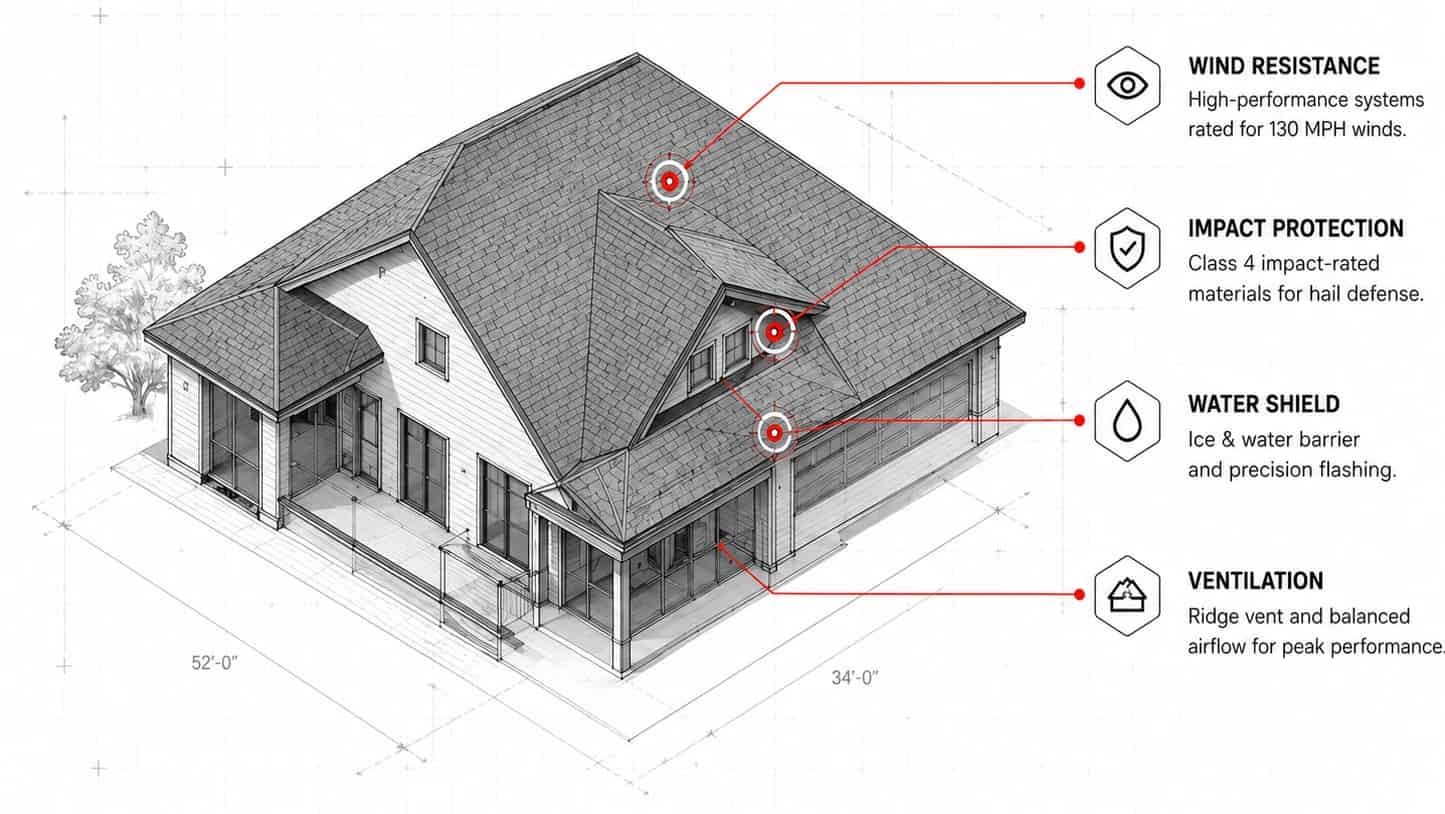




Professional Roof Installation Service

Residential Roofing

Residential Roofing

Residential Roofing Made Simple: How to Spot the Right Contractor Every Time

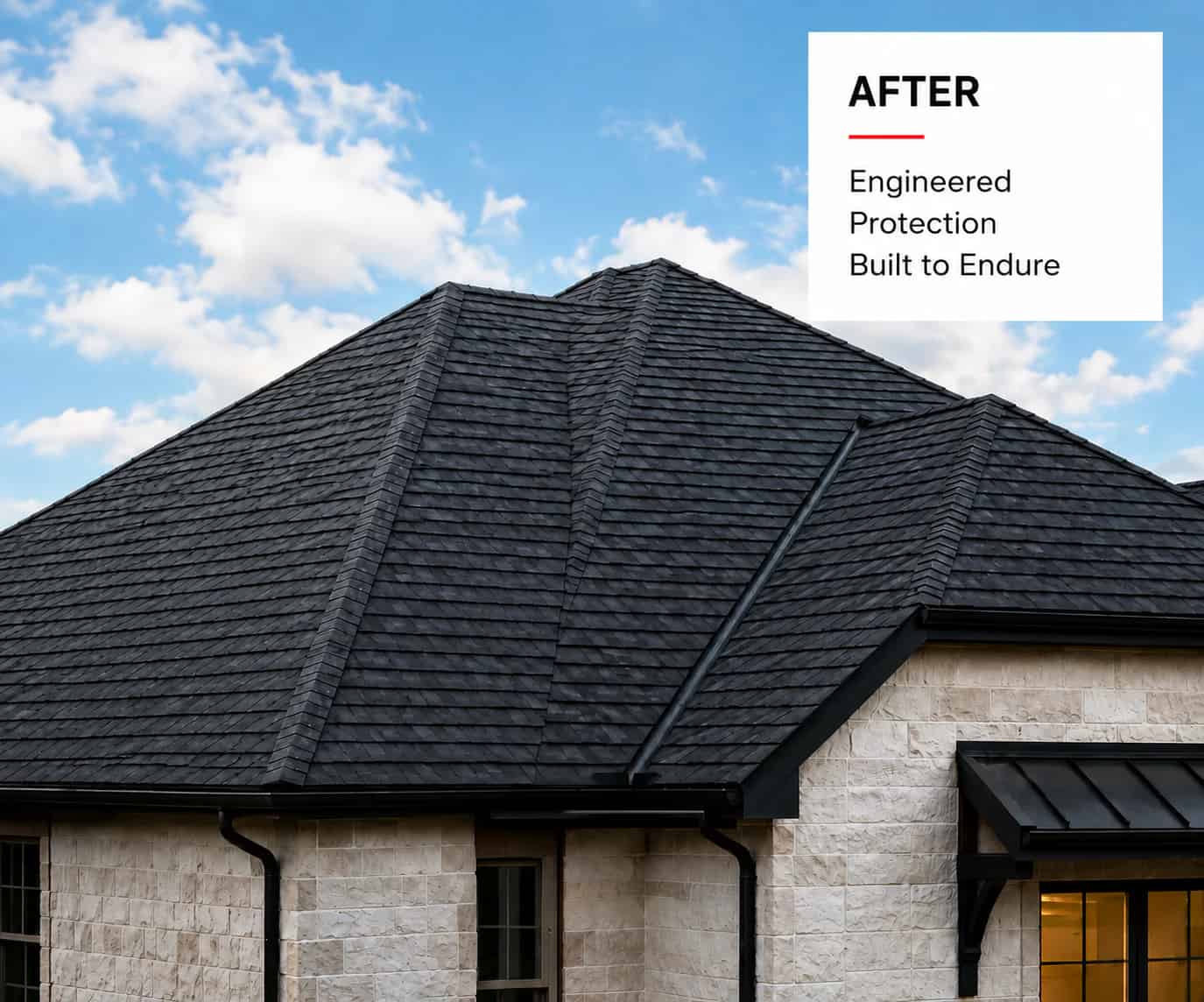
Your roof is more than just shingles and beams. It’s the shield that protects your home from rain, wind, hail, and everything nature throws your way. When it’s time to repair or replace it, choosing the right roofing contractor can mean the difference between decades of security and costly headaches down the road.

But how do you separate the professionals from the pretenders? With so many contractors claiming to offer the best service, it’s easy to feel overwhelmed. Some show up with glossy brochures and low-ball quotes. Others disappear the moment you need warranty support.

This guide walks you through the essential steps to finding a trustworthy residential roofing contractor. You’ll learn how to spot red flags, ask the right questions, and make confident decisions that protect both your home and your wallet. Whether you’re dealing with storm damage or planning a full roof replacement, these strategies will help you hire with confidence.

Recognizing the Warning Signs: When Your Roof Needs Professional Help

Before you start vetting contractors, it’s important to know when you actually need one. Some roof issues are obvious—like missing shingles after a windstorm—but others are more subtle.

Here are the key signs that your roof requires immediate attention:

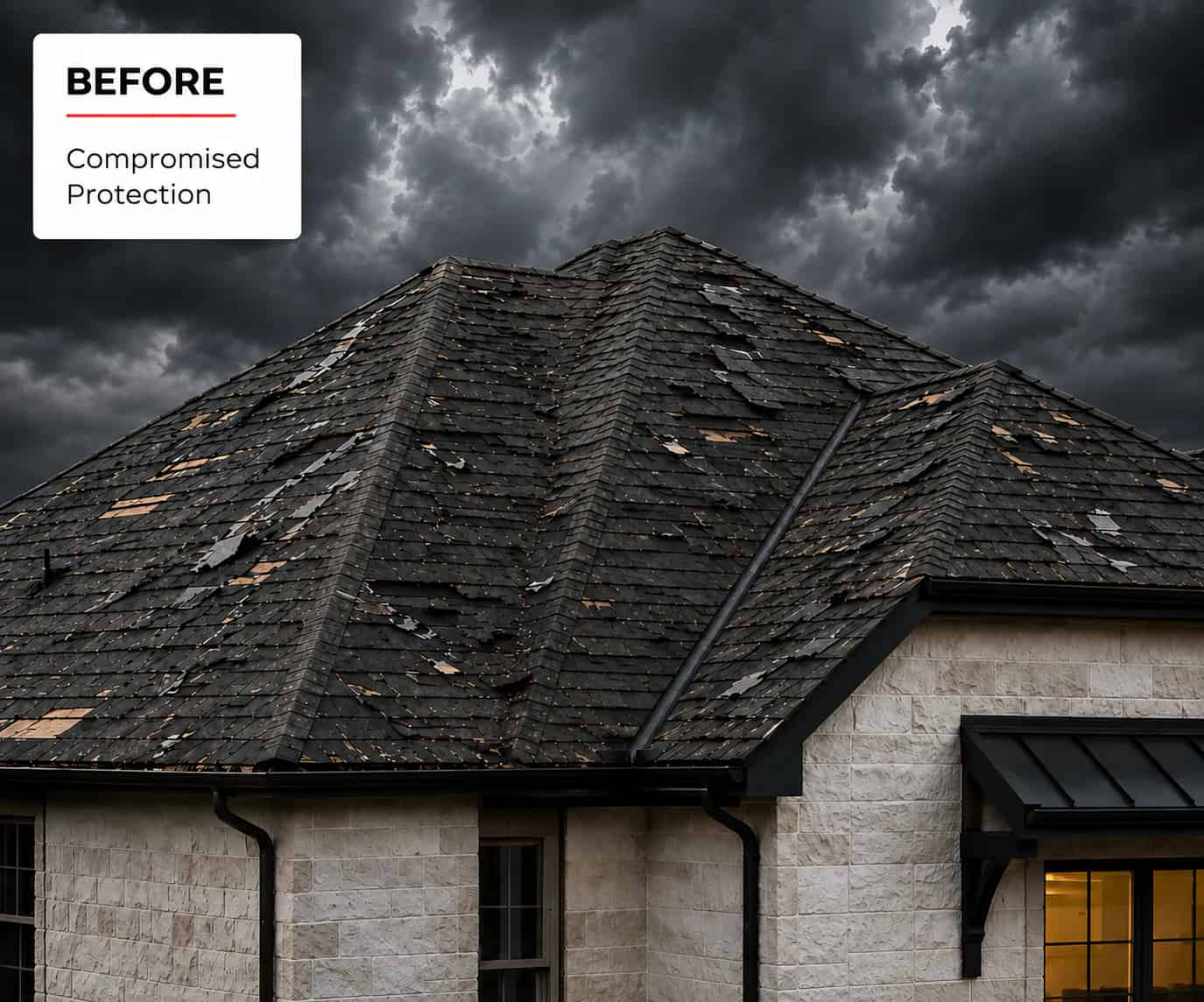
  • Missing or damaged shingles: Bare spots on your roof leave the underlayment exposed to the elements. Even a few missing shingles can lead to leaks and structural damage.
  • Granule loss: Check your gutters. If you notice a buildup of granules (the rough, sand-like coating on shingles), your roof may be nearing the end of its lifespan.
  • Sagging or uneven areas: A sagging roofline suggests structural issues, possibly from water damage or weakened decking. This is a serious concern that requires professional assessment.
  • Water stains on ceilings or walls: Interior water damage often points to a compromised roof. Don’t wait for the problem to worsen—act quickly to prevent mold and further deterioration.
  • Cracked or curling shingles: Shingles that curl at the edges or show visible cracks are no longer providing adequate protection. This is especially common on older roofs.
  • Hail damage: After a hailstorm, dents and dings on your roof may not be immediately visible from the ground. A professional inspection can identify hidden damage that your insurance may cover.

If you notice any of these signs, it’s time to call in a roofing contractor for an evaluation. Delaying repairs can turn a manageable fix into a full roof replacement.

Residential Roofing Service Provider

Vetting a Roofing Company: Licensing, Insurance, and Local Reputation

Once you’ve identified the need for professional help, the real work begins: finding a contractor you can trust. Start by checking the basics that every legitimate roofing company should have.

Verify Licensing and Credentials

A licensed contractor has met the minimum requirements set by your state or local government. This isn’t just a formality—it’s proof that the contractor has the knowledge and accountability to do the job right.

Ask to see their license number and verify it through your state’s licensing board. Don’t take their word for it. A quick online search can confirm whether their credentials are current and valid.

Confirm Insurance Coverage

Roofing is dangerous work. Contractors should carry both general liability insurance and workers’ compensation coverage. General liability protects your property in case of accidental damage during the project. Workers’ comp ensures that you’re not held liable if a worker is injured on your property.

Request copies of their insurance certificates and verify them directly with the insurance provider. If a contractor hesitates to provide this information, that’s a red flag.

Research Their Local Reputation

Local roofing companies often have stronger accountability than out-of-town contractors who may disappear after the job is done. Check online reviews on platforms like Google, Yelp, and the Better Business Bureau. Look for patterns in feedback—both positive and negative.

Ask for references from recent projects in your area. A reputable contractor should be happy to connect you with past customers. Follow up with those references to ask about their experience, the quality of work, and how the contractor handled any issues that arose.

Local contractors are also more familiar with regional building codes and weather patterns, which can impact the longevity and performance of your roof.

Questions to Ask During the Initial Consultation

When you meet with potential contractors, come prepared with questions. This is your opportunity to gauge their professionalism, expertise, and transparency.

Here are the key questions to ask:

  • How long have you been in business? Experience matters. A contractor with a solid track record is more likely to deliver quality work and stand behind their guarantees.
  • Can you provide a detailed written estimate? A vague estimate is a warning sign. The proposal should include itemized costs for materials, labor, permits, and any additional services. It should also outline the project timeline and payment schedule.
  • What type of roofing materials do you recommend for my home? A knowledgeable contractor will explain the pros and cons of different materials based on your budget, climate, and aesthetic preferences. Be wary of anyone who pushes a single product without discussing alternatives.
  • Do you handle permits and inspections? Reputable contractors take care of the necessary permits and ensure the work meets local building codes. If they expect you to handle this yourself, proceed with caution.
  • What does your warranty cover? Warranties vary widely. Some cover only materials, while others include workmanship. Make sure you understand what’s covered, for how long, and what steps you need to take to keep the warranty valid.
  • How do you handle unexpected issues? Roofing projects can reveal hidden problems, like rotted decking or damaged insulation. Ask how they communicate changes and handle additional costs.
  • What is your cleanup and disposal process? A professional contractor should leave your property clean and free of debris. Confirm that the cost of disposal is included in the estimate.

Pay attention to how contractors respond to your questions. Do they take the time to explain things clearly, or do they rush through answers? Transparency and communication are just as important as technical skill.

Residential Roofing Service

Spotlight on Hail King Pros: Quality and Transparency You Can Trust

When it comes to residential roofing, Hail King Pros has built a reputation for reliability and exceptional service. This locally trusted company specializes in storm damage repair, roof replacements, and comprehensive inspections.

What sets Hail King Pros apart is their commitment to transparency. From the first consultation to the final inspection, they keep homeowners informed every step of the way. Their detailed estimates leave no room for surprises, and their team takes the time to answer questions and address concerns.

Hail King Pros is fully licensed and insured, giving homeowners peace of mind that their property is protected. They also work closely with insurance companies to help clients navigate claims, ensuring that the process is as smooth and stress-free as possible.

Their focus on quality extends beyond the roof itself. Hail King Pros uses premium materials and employs experienced crews who take pride in their craftsmanship. They also offer strong warranties that cover both materials and workmanship, providing long-term protection for your investment.

Choosing a contractor like Hail King Pros means working with a team that prioritizes your home’s safety and your satisfaction. Their local presence ensures accountability, and their dedication to excellence has earned them glowing reviews from homeowners throughout the region.

Understanding Roofing Estimates and Avoiding Pricing Pitfalls

Not all roofing estimates are created equal. A low bid might seem tempting, but it can come with hidden costs and subpar materials. Here’s how to evaluate estimates and avoid common pricing traps.

Compare Apples to Apples

When you receive multiple estimates, make sure they’re truly comparable. Check that each one includes the same scope of work, materials, and services. A lower price may reflect shortcuts, like skipping underlayment or using cheaper shingles.

Watch Out for Unusually Low Bids

If a contractor’s estimate is significantly lower than the others, ask why. They may be cutting corners, using inferior materials, or planning to upsell you later. Extremely low bids can also indicate a lack of proper insurance or licensing.

Beware of Large Upfront Payments

Reputable contractors typically ask for a reasonable deposit to cover materials and secure the project. Be cautious of anyone who demands a large upfront payment or insists on cash only. A standard payment schedule should tie payments to project milestones, with the final payment due upon completion and your satisfaction.

Understand What’s Included

Read the fine print. Does the estimate include disposal of old materials? What about cleanup? Are permits factored in? Make sure there are no surprise fees once the work begins.

Get Everything in Writing

A verbal agreement isn’t enough. Insist on a written contract that outlines the scope of work, materials, costs, timeline, and warranty terms. Both you and the contractor should sign it before any work begins.

By taking the time to understand and compare estimates, you’ll avoid costly mistakes and ensure you’re getting fair value for your investment.

Residential Roofing
Residential Roofing

The Advantage of Hiring Local Experts for Long-Term Maintenance

Choosing a local roofing contractor offers benefits that extend far beyond the initial installation or repair. Local companies have a vested interest in maintaining their reputation within the community. They’re more likely to stand behind their work and provide ongoing support.

Easier Access for Warranty Claims

If an issue arises after the project is complete, a local contractor is just a phone call away. They can quickly assess the problem and honor their warranty without the delays that often come with out-of-town companies.

Familiarity with Regional Weather and Building Codes

Local contractors understand the specific challenges that roofs face in your area. They know which materials perform best in your climate and are well-versed in local building codes and inspection requirements.

Long-Term Maintenance Partnerships

A local contractor can become a trusted partner for routine maintenance, inspections, and future projects. Regular maintenance extends the life of your roof and helps you catch small issues before they become major repairs.

Support for Your Local Economy

Hiring local means keeping money in your community and supporting local jobs. It also means working with contractors who care about their neighbors and take pride in the quality of their work.

Conclusion

Choosing a local roofing contractor brings numerous advantages, from personalized service and quick response times to a deep understanding of regional needs. By supporting local businesses, you’re contributing to your community and ensuring high-quality craftsmanship from trusted professionals. Whether it’s a new installation, repairs, or ongoing maintenance, partnering with a local expert ensures your roofing needs are met with reliability and care. Make the smart choice for your home and your community—choose local.

Hail King Pros
https://maps.app.goo.gl/NkHUXFd1ZvQidxhP8
1900 Industrial Blvd Ste 200, Colleyville, TX 76034, United States
(682) 235-2880
https://hailkingpros.com/