Residential services
Roof Installation & Replacement
In places like Dallas, Fort Worth, and communities across East Texas, roofs take a beating from sun, wind, and heavy rain. This means that over time, roofing materials wear out, leaks start to appear, and your property’s energy efficiency begins to slip. When your home or business needs a new roof, you want to feel confident about who you call. That’s where Hail King Professionals, your trusted roofing services provider, comes in.
We deliver dependable roof installation and replacement services that give your property long-term protection and better performance. You won’t get a rushed job or cut corners; you’ll work with a local team that treats your home like it’s their own. If you’re seeing signs that it’s time to replace your roof or upgrade from outdated materials, reach out today to schedule a consultation!
Contact Us Today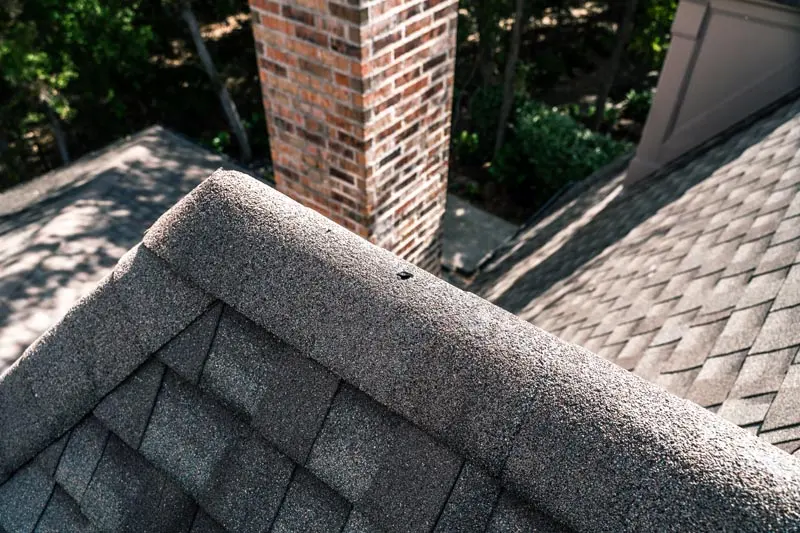
Signs It Might Be Time for a Roof Replacement
Your roof gives off some pretty clear signs when it’s ready to be replaced. Spotting the red flags early can help you avoid costly repair jobs later. If you’ve been noticing any of these symptoms, it’s probably time to get an expert opinion:
- Leaks inside your home: Water stains on ceilings or walls can point to serious damage around flashing, roof shingles, or chimney seams. This type of issue tends to worsen quickly, especially after storms.
- Curled, cracked, or missing shingles: As roof shingles age, they lose their ability to protect your deck. You might see patches of granules in your gutters or shingles that no longer lie flat.
- Sagging rooflines or soft spots: If parts of your roofline look uneven or feel spongy when walked on, that’s often a sign of water damage in the underlying wood deck.
- A sudden spike in energy bills: Damaged or worn roofing can let heat escape in the winter or allow it in during the summer. That hurts your insulation, ventilation, and energy efficiency.
- Visible sunlight in the attic: If sunlight streams through the boards, nails, or flashing, there’s a high chance that water is also getting in.
- Age over 15 years: Even a well-built asphalt shingle roof may need replacement after 15–20 years in Texas conditions. Roof pitch and materials play a role, but old age always catches up eventually.
Still unsure if you need a roof replacement or just a simple repair? Check out more insights here.
Our Tried & True Roof Installation Process
We are a licensed roofing company (RCAT 03-0649) that holds our construction work to the highest standard, operating with a vast knowledge of every local building code in the communities we serve. Our methodical approach to every new roof installation guarantees quality control at each turn. Here is a look at what you can expect:
Initial Inspection & Measurements
Our process begins with a complete evaluation of your current roofing system. A roofing contractor from our team will get on your roof to assess its condition, measure each facet, and calculate the roof pitch. This allows us to determine the total square footage and identify any underlying issues with the roof deck.
Material Selection Consultation
Choosing the right material is a big decision. We only install Class 3 impact-resistant roofs or stronger. We will discuss aesthetics, longevity, and the roof replacement cost to find the perfect fit for your home and budget.
Remove Old Roofing
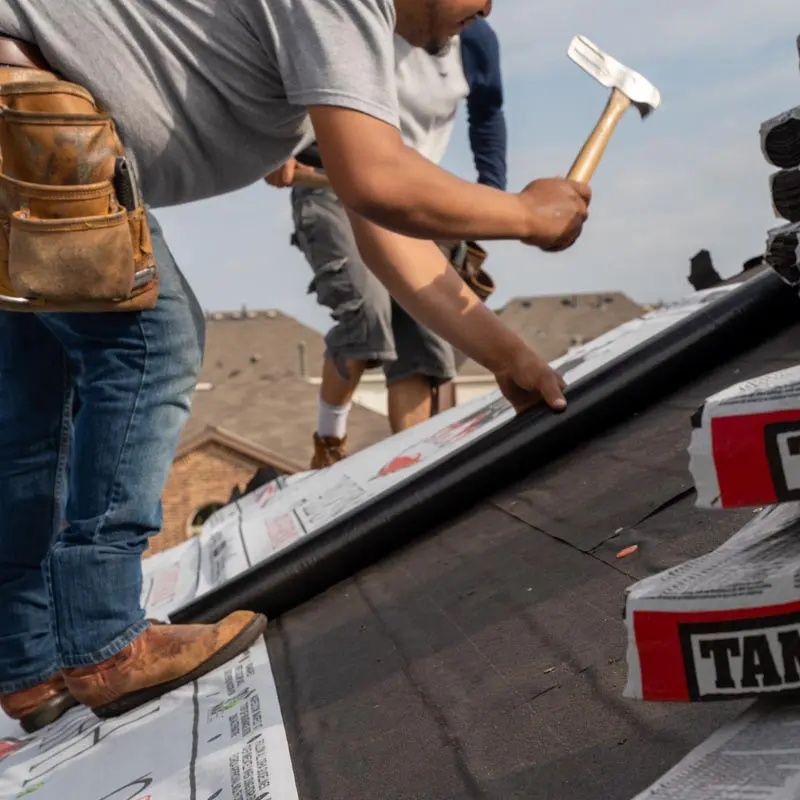
With the plan in place, our crew gets to work. We carefully remove all old roofing materials, right down to the wooden deck. This allows us to inspect the foundation of your roof and make any necessary repairs before the new construction begins.
Underlayment & Flashing
This is where the core protection is built. We install a new layer of synthetic underlayment for superior waterproofing. New, custom-fit flashing is installed around every penetration point, like your chimney, creating a powerful barrier against the elements. Each new roof shingle is then installed with the correct nail pattern for maximum wind resistance.
Final Inspection & Cleanup
Your new roof is complete only after a final inspection confirms every detail meets our quality standards. We then perform a thorough cleanup of your property, leaving it immaculate. Your satisfaction is the final sealant on any project we complete.
What Roofing Replacement Can Do for Your Property
Replacing your roof is an investment that pays dividends in multiple ways. It’s a chance to fortify your home against the weather and unlock a host of other fantastic benefits, such as:
- Lower Insurance Premiums: Many insurance companies offer reduced rates for homes with new roofs. By replacing your roof with modern, impact-resistant materials, you may qualify for lower premiums, since insurers view your property as less likely to suffer weather-related damage.
- Increased Property Value: Potential homebuyers see a new roof as a major asset, meaning they will not have to worry about a large capital expense soon after moving in. This makes your home more attractive on the market and can increase its final sale price.
- Improved Energy Efficiency: Modern roofing materials and proper ventilation systems work together to reflect solar heat and regulate the temperature in your attic. This reduces the workload on your air conditioner, which can lead to lower energy bills year-round.
- Ultimate Peace of Mind: Knowing that your home is protected by a brand-new, professionally installed roofing system is invaluable. You can rest easy during the next big Texas storm, confident that your home and family are secure.
We Also Offer Commercial Roofing Installations & Replacement!
Businesses across Dallas-Fort Worth and East Texas turn to Hail King Professionals for expert commercial roof replacements and installations. Our team handles low-slope and flat roof systems, metal roofing, and large asphalt applications with confidence.
If your commercial building has seen better days, we offer roof coating services that help extend the life of your existing structure. Roof coatings can improve waterproofing, reflect UV rays, and delay the need for a complete tear-off.
Call to Schedule Your Roofing Upgrade With Our Dallas-Fort Worth & East Texas Team!
Your home deserves the best protection available. As your friendly, local roofers, Hail King Professionals is ready to deliver a roofing replacement that combines quality, durability, and beauty. Let’s build a roof that will protect your family for decades to come.
Contact Us TodayFrequently Asked Questions
How long does a roof replacement take?
Most residential roofs can be completed in one to three days, depending on square footage, weather, and material type. Larger commercial projects may take longer, but you’ll always receive a clear timeline.
What types of roofs do you install?
We install asphalt shingle roofs, metal roofs, flat roofs, and modified bitumen systems. Every project begins with a review of your property’s needs and roof pitch.
What is the difference between an asphalt shingle roof and a metal roof?
An asphalt shingle roof is the most common choice, offering a great balance of performance, affordability, and aesthetic variety. A metal roof generally has a higher initial roof replacement cost but provides exceptional longevity, durability, and energy efficiency, often lasting 50 years or longer.
How do I know if I need a roof repair or a full replacement?
The answer depends on the age of your roof and the extent of the damage. A small, isolated issue like a single leak or a few damaged shingles might only require a repair. Widespread damage, significant age, or recurring problems often indicate that a full roofing replacement is the more economical and secure long-term solution. A thorough inspection is the best way to determine the right course of action.
Can I stay in my home during the installation?
Yes, in most cases. We work to minimize disruption, but there will be noise during tear-off and installation. We’ll talk through all expectations before we begin.
Residential services
Start with clarity. Protect your property.
Talk with HailKing Professionals about roof installation & replacement and get a clear, documented next step for your property.
Call (682) 235-2880