
A Homeowner’s Guide to Dallas Roof Inspection in 2026
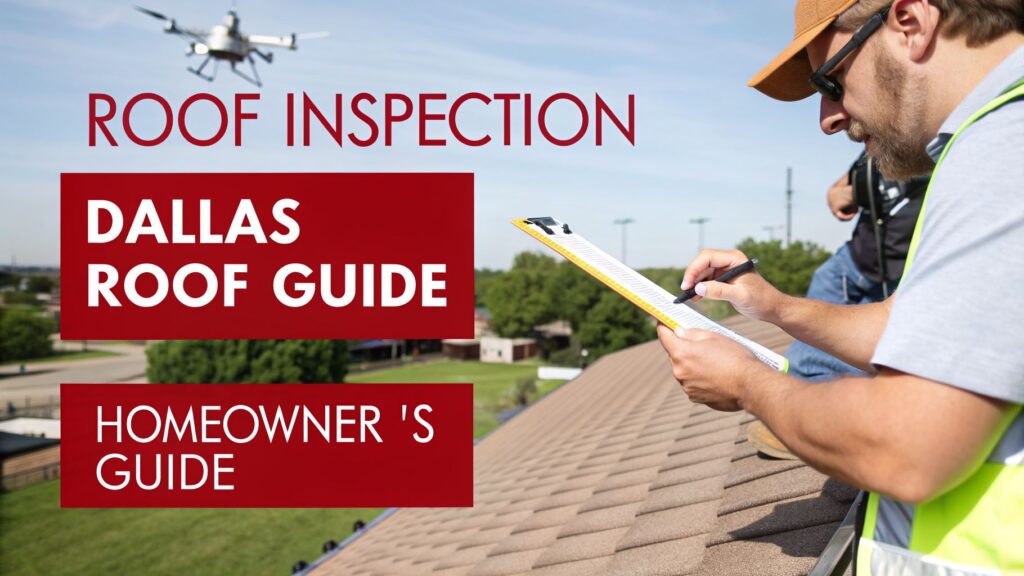
A Dallas roof inspection is essentially a health check-up for your home's first line of defense against our wild Texas weather. It’s a professional evaluation that pinpoints existing damage, spots potential weak points, and gives you a clear picture of your roof's overall condition. It's the key to heading off expensive repairs down the road.
At Hail King Professionals, we understand that peace of mind can't wait. That's why we offer free, same-day inspections to give homeowners immediate answers.
What a Dallas Roof Inspection Actually Uncovers

Think of it this way: your roof works silently in the background, taking a beating from sun, wind, and hail. Just like a small engine problem, minor roof issues rarely show obvious symptoms inside your home until they become a full-blown crisis. A professional inspection is like a diagnostic scan, catching these problems before a tiny drip turns into a collapsed, water-logged ceiling.
Many people only think to call a roofer after a major hailstorm. The reality is, the everyday DFW climate is what causes most of the gradual wear and tear. The scorching summer sun bakes shingles until they're brittle, and sudden temperature shifts cause materials to expand and contract, creating hidden cracks and openings. A trained inspector knows exactly what this slow-burn damage looks like.
Digging Deeper Than a Quick Glance
When we get up on your roof, we’re not just looking for a missing shingle or two. We’re more like detectives, piecing together clues about the roof’s health and history, with a special focus on issues common to our area.
To truly understand what goes into a professional evaluation, here’s a breakdown of the critical areas we examine.
Key Areas of a Professional Roof Inspection
| Inspection Area | What We Look For | Why It Matters in DFW |
|---|---|---|
| Shingle Condition | Bruising, granule loss, cracking, curling, or blistering. | Hail impacts often "bruise" shingles, weakening them long before a leak appears. Intense sun accelerates granule loss, exposing the matting underneath. |
| Flashing & Sealants | Gaps, cracks, or dried-out sealant around chimneys, vents, and skylights. | These are the #1 entry points for water. A failed seal around a pipe boot is a common and easily preventable cause of major attic leaks. |
| Wind Damage | Lifted shingle tabs, broken seals, or creases. | High winds can break the factory seal on a shingle without tearing it off. This creates a hidden "flap" that funnels rainwater directly underneath. |
| Structural Components | Soft spots in the decking, sagging ridge lines, or issues with fascia and soffits. | These can indicate underlying moisture and rot in the roof's wooden structure, a serious problem that needs immediate attention. |
| Gutters & Drainage | Clogs, improper slope, or an excessive amount of shingle granules. | Clogged gutters cause water to back up under the roof's edge, rotting the decking. A pile of granules is a tell-tale sign the shingles are aging fast. |
Ultimately, a professional assessment gives you a complete story of your roof's past, present, and future.
The Real Value of an Expert Eye
Trying to inspect your own roof isn't just dangerous—it's often ineffective. Without a trained eye, you’re almost certain to miss the subtle signs that predict a major failure. A certified inspector knows how to safely navigate every type of roof and has seen thousands of examples of what works and what doesn't.
A detailed inspection report provides a clear, unbiased roadmap. It empowers you to make smart decisions, whether that means scheduling a small repair, budgeting for a future replacement, or starting an insurance claim after a storm. It’s the essential first step in protecting your biggest investment, and with Hail King Professionals, that crucial first step is always free.
Decoding Routine, Storm, and Insurance Inspections
When homeowners in Dallas talk about a "roof inspection," they could mean one of three very different things. The right type of inspection depends entirely on the situation, and getting it wrong can cost you time and money. It’s crucial to know what you need before you make the call.
I often tell people to think of their roof like their car. A routine inspection is your scheduled tune-up. A post-storm inspection is what you get after a nasty fender bender. And an insurance inspection is the official, detailed report you need for the paperwork. Each one has a specific job to do.
The Proactive Approach: Routine Maintenance Inspections
This is your roof's annual health check-up. Here in Dallas, the brutal summer sun is relentless, baking shingles and making them age faster than they should. A routine inspection, done once or twice a year, is all about getting ahead of that slow, creeping damage. We’re not looking for a major disaster; we're trying to prevent one from ever happening.
On a routine check, we’re hunting for the early warning signs:
- Subtle granule loss on your asphalt shingles.
- Sealant around pipes and vents that’s starting to dry out and crack.
- Shingle edges that are just beginning to curl or lift.
Catching these little things early means we can often fix them with a simple, affordable repair. It stops a small issue from turning into a massive leak during the next downpour, saving you a whole lot of stress and expense down the road.
The Urgent Response: Post-Storm Damage Assessments
After a big North Texas storm rolls through—especially with hail or high winds—a post-storm inspection isn't optional; it's urgent. This is a rapid-response assessment to find any damage that could let water in right now. Unlike a routine check-up, we are laser-focused on finding damage from direct impacts and wind stress.
A trained eye is searching for specific evidence of storm damage:
- Hail Bruises: Telltale circular dings that have fractured the shingle's core.
- Wind Creases: Shingles that were folded back by fierce winds, breaking their watertight seal.
- Missing Shingles: The most obvious sign of failure, leaving your roof's underlayment exposed.
This kind of Dallas roof inspection is a race against the clock. A single, tiny breach from a hailstone can quietly funnel water into your attic for weeks. By the time you finally see a stain on your ceiling, you could be dealing with serious structural rot and mold.
The Formal Process: Insurance and Real Estate Inspections
When you’re filing an insurance claim or are in the middle of buying or selling a house, you need a different level of inspection. This one is all about documentation. The goal is to build an ironclad record of the roof's condition, complete with extensive photos and exact measurements.
An insurance report has to "speak the language" of adjusters, clearly proving the cause and extent of damage in a way that aligns with your policy. For real estate deals, this inspection gives a buyer a clear picture of the roof's remaining life and any big-ticket repairs they might be facing.
Here in North Texas, our weather chews through roofs. The extreme swings from blazing hot summers to cold snaps cause materials to expand and contract, creating cracks. Add in our notorious hailstorms and heavy rains, and the damage piles up fast. Homeowners who put off regular inspections often get hit with a much bigger bill when all that weather-related wear and tear finally makes itself known. You can explore more on how climate impacts local roofing expenses and trends.
Ultimately, knowing which inspection you need is the first step. Whether you're being proactive, reacting to a storm, or navigating a formal transaction, a professional evaluation gives you the clarity to protect your property.
Your Step-By-Step Roof Inspection Journey
The thought of someone getting up on your roof can be a bit stressful. What will they find? What does it all mean? A proper Dallas roof inspection shouldn't be a mystery—it’s a clear, straightforward process. Let’s pull back the curtain and walk you through exactly what happens when a professional roofer shows up at your door.
A good contractor isn't just there to hunt for problems. They're there to educate you, showing you exactly what's going on with your home's most important line of defense. They should explain everything in plain English, backed up with solid proof, so you have a complete picture.
The type of inspection you need often depends on what prompted it. A routine check-up is very different from an inspection after a major hailstorm, which is different again from one required by an insurance company.

As you can see, the "why" behind the inspection—whether it's proactive maintenance, storm damage, or an insurance claim—shapes the entire process.
The Initial Arrival and Ground-Level Assessment
Believe it or not, a thorough inspection doesn’t start on the roof. The first thing a good inspector, like one from our team at Hail King Professionals, will do is walk the entire perimeter of your property. Think of it as a detective gathering clues on the ground.
They're looking for evidence that tells a story about what your roof has been through.
- Siding and Windows: Dents, dings, or chips on your siding, window screens, or metal trim can give us a good idea of the size and force of any hail that came through.
- Gutters and Downspouts: A pile of what looks like sand or black grit in your gutters is actually shingle granules. A lot of granule loss is a major red flag for either storm damage or an old, failing roof.
- Landscaping and Fascia: We also scan the yard for any shingles that might have been blown off and check the fascia boards for water stains that signal a problem up above.
This ground-level tour provides crucial context before anyone even touches a ladder.
The On-Roof Examination
This is where the real work happens. Once safely on the roof, the inspector will begin a systematic, hands-on analysis of your entire roofing system. This isn't just a quick stroll. It's a meticulous process.
An experienced inspector knows what to look for. They’re not just spotting obvious holes. They're feeling for subtle "bruises" or soft spots on shingles from hail, checking for lifted seals from high winds, and probing the sealant around every pipe, vent, and piece of flashing—these are the most common spots for leaks to start.
Every single point of damage will be documented with clear, high-resolution photos. This creates an undeniable record of your roof's condition, so you see exactly what we see. It takes all the guesswork out of it. This level of transparency is a non-negotiable part of working with a pro, which we talk more about in our guide on how to choose a roofing contractor.
The Interior and Attic Check
A roof inspection isn't complete until we look underneath it. The final piece of the puzzle is found in your attic, where hidden issues often come to light. Inside, the inspector is searching for:
- Water Stains: Any dark streaks or discolored spots on the wood of the roof deck are telltale signs of a leak.
- Wet Insulation: We'll check for insulation that feels damp, heavy, or compacted, another clear symptom of water getting in.
- Daylight: This one is simple. If you can see any daylight peeking through the roof deck, you have an active leak that needs immediate attention.
Checking the attic helps confirm what we found on top of the roof and can catch problems long before they stain your ceiling.
The Final Debrief and Report
After the inspection is done, the professional will sit down with you to go over everything. They’ll show you the photos, explain what the damage means for your roof's health, and answer any questions you have.
You'll get a detailed report that clearly outlines the findings and provides a recommended course of action. Whether it's a few simple repairs or a full roof replacement, you'll have all the information you need to make a confident, informed decision for your home.
Understanding Roof Inspection Costs and Repair Estimates

Let’s be honest—when you suspect something’s wrong with your roof, your first thought is probably, "How much is this going to cost?" That financial uncertainty can be stressful, but getting a professional opinion shouldn't add to it. A good Dallas roof inspection should start with an expert diagnosis, not an invoice.
That's exactly why we built our business around offering free, same-day diagnostic inspections. At Hail King Professionals, we think every homeowner deserves to know what's happening over their head without having to pay for the initial look. It’s a no-obligation assessment that gives you the real story so you can make a smart decision.
Once we know what we're looking at, we can put together a clear, detailed estimate for any repairs. No surprises, no hidden fees. Just a straightforward plan to get your roof back in shape.
The Difference Between Free and Paid Inspections
It's helpful to know that not all inspections are the same. A free inspection is a hands-on, visual assessment where a trained expert climbs on your roof to spot common problems like hail dings, wind-lifted shingles, and signs of aging. For most homeowners, this is all you need to get a clear picture.
However, sometimes a problem is hiding beneath the surface. That’s when more advanced services come in handy. An infrared thermal imaging scan, for example, uses a special camera to see temperature differences across your roof. This is an incredible tool for finding trapped moisture or areas of energy loss that are completely invisible to the naked eye.
Think of it this way: a free inspection is like a general check-up with your doctor. It's perfect for routine care and catching obvious issues. A paid, specialized inspection—like thermal imaging—is more like an MRI. You only need it when there’s a complex problem that requires a much deeper look.
These different service levels are common across the industry. While standard physical inspections are usually the most affordable, options involving drones or infrared cameras naturally cost more because of the specialized equipment and expertise required. You can get a better sense of how these different services are typically priced with national cost guides like this one from HomeGuide.
Typical Costs for Common Roof Repairs in Dallas
So, what happens if the inspection finds damage? The next logical question is what it will cost to fix. While every job is unique, we can look at some average costs for common roof repairs here in the Dallas-Fort Worth area to help you get a ballpark idea.
The table below outlines some frequent repair scenarios and their typical cost ranges. Keep in mind that factors like your roof's pitch, the materials used, and the extent of the damage will all influence the final price.
| Type of Repair | Average Cost Range | Common Causes |
|---|---|---|
| Replace Missing Shingles | $150 – $400 | High winds, falling debris, foot traffic |
| Repair Damaged Flashing | $300 – $750 | Age, improper installation, storm damage |
| Seal Minor Leaks | $250 – $600 | Punctures, cracked shingles, failed seals |
| Ridge Cap Replacement | $400 – $900 | Wind damage, hail, natural wear and tear |
| Pipe Boot Replacement | $200 – $450 | UV degradation, dry rot, poor installation |
These figures are a great starting point for budgeting, but a detailed estimate from a professional inspector is the only way to know for sure. Getting ahead of small problems is always more cost-effective than waiting for them to become major headaches.
Understanding the potential costs upfront makes the whole process feel much more manageable. To get into the nitty-gritty, especially after a storm, you can learn more about the specific factors influencing hail damage roof repair costs in our dedicated guide. It all starts with that first, honest look at your roof.
Navigating Insurance Claims and Advanced Roofing Solutions
So, your Dallas roof inspection turned up some damage. Finding it is one thing, but getting it fixed—especially when insurance is involved—is a whole different ballgame. Honestly, the claims process can feel like a maze of confusing jargon and paperwork. But with the right team on your side, it becomes a clear and straightforward path.
Think of an expert roofer as your advocate. We’re the ones who translate the inspection findings into a language the insurance company understands, making sure every single bit of damage is documented and accounted for. There's no room for guesswork here.
Decoding Your Insurance Policy
Before you even pick up the phone to file a claim, it’s incredibly helpful to know a few key terms from your policy. These terms directly control what your insurance company will pay and what you'll be responsible for out-of-pocket.
Deductible: This is your part of the bill. It's the fixed amount you have to pay before your insurance coverage starts paying. If a new roof costs $15,000 and your deductible is $2,000, you pay that first $2,000, and the insurance company handles the other $13,000.
ACV (Actual Cash Value): This is what your old, damaged roof is worth today. Insurers calculate this by figuring out the cost of a new roof and then subtracting value for every year of wear and tear (depreciation). This is usually the first check you’ll get.
RCV (Replacement Cost Value): This is the total, real-world cost to replace your entire roof with brand-new materials of a similar kind. Once the job is done, your insurer releases the rest of the money (the depreciation they held back). This brings their total payout up to the full RCV, minus your deductible.
Here's a simple way to think about it: ACV is the payout for the totaled 10-year-old car, while RCV gives you the money to go buy a brand-new equivalent. Knowing the difference is absolutely critical for budgeting your project correctly.
When you work with a contractor who knows the ropes, like Hail King Professionals, we sit down with you and go over the insurance adjuster's summary line by line. We make sure their numbers match the damage we found, fighting to get you every dollar you’re entitled to. For a much deeper look, check out our complete guide to the storm damage insurance claim process.
Upgrading to Advanced Roofing Solutions
Filing an insurance claim isn't just about getting back what you had. It's a perfect opportunity to make a smart upgrade. Here in North Texas, building for resilience isn't a luxury—it's a necessity. One of the best investments you can make is an impact-resistant roofing system.
A Class 4 shingle has earned the highest possible rating for hail impact resistance. These shingles are specifically designed to take a beating from hail without cracking or breaking, which dramatically improves your odds of surviving the next big storm unscathed. While they have a higher upfront cost, many insurance carriers offer a nice discount on your homeowner's premium for installing a Class 4 roof, which helps that investment pay for itself over time.
Handling Complex Projects with Ease
Modern homes often come with extra features on the roof, and a replacement project today is rarely just about shingles. Solar panels, for instance, are common on Dallas homes and add a whole other layer to the process.
This is where a full-service roofer really shines. At Hail King Professionals, we specialize in solar panel detach-and-reset services. Our integrated teams handle the careful removal of your solar array before we touch the roof, then professionally reinstall everything once the new roof is on. This unified management saves you from massive logistical headaches and ensures both your roof and solar warranties remain intact.
We also know that deductibles and upgrades can be a financial strain, even with insurance helping out. That’s why we provide flexible financing options that only require a soft credit check and don’t use your home's equity. Our mission is to make sure financial worries don't stand between you and a safe, durable roof over your head.
Common Questions We Hear About Dallas Roof Inspections
When it comes to your roof, a lot of questions can pop into your head—that's completely normal. A Dallas roof inspection is your first line of defense, but we know homeowners have real-world concerns about how it all works. We’ve heard just about every question in the book, so we’ve gathered the most common ones to give you straight answers.
Our job is to give you the confidence you need to protect your home. Once you understand the inspection process, you'll be able to make smart decisions, avoid the headaches of dealing with shady storm chasers, and feel secure about your property.
How Often Should I Get My Roof Inspected?
Think of a roof inspection like a check-up—it’s proactive care meant to catch small issues before they turn into major, expensive problems. For anyone living in Dallas, we strongly recommend a professional inspection at least once a year and always after a significant hailstorm.
An annual look-over helps an expert spot the slow, creeping wear and tear from our brutal summer sun and constant temperature shifts. A post-storm inspection, on the other hand, is an absolute must. Hail and high winds can inflict serious damage that you simply can’t see from your driveway.
Is a "Free Inspection" Really Free?
Yes, it absolutely should be. A reputable roofing company's initial diagnostic inspection is a no-obligation service offered to help you get a clear picture of your roof's health. It’s how legitimate contractors build trust and show you what they know right from the start.
If a company tries to charge you just to get on your roof for a standard visual check, that’s a major red flag. This free assessment is your chance to see how professional a contractor is without spending a dime.
What If I Have Solar Panels on My Roof?
That's a fantastic question, and one we’re hearing more and more. If you have solar panels, it is critical to hire a roofer who is experienced with solar detach-and-reset services. An inexperienced crew can easily damage your expensive solar array or even void your solar warranty.
A true full-service roofer like Hail King Professionals handles the entire project. We organize the careful removal of the panels, complete all the necessary roof work, and then professionally reinstall everything. This ensures both your new roof and your solar system are working together perfectly.
How Can I Tell a Good Roofer from a Storm Chaser?
After a big storm blows through, your neighborhood can quickly get swarmed by out-of-town "storm chasers" looking to make a quick buck. Knowing how to spot them is crucial. In fact, homeowners who understand some basic roofing business marketing strategies are often better equipped to see the difference.
Here are a few tell-tale signs of a storm chaser:
- Aggressive Sales Tactics: A real professional educates you. A storm chaser will pressure you to sign a contract right then and there.
- No Local Roots: Ask for a physical office address you can actually visit. If all they have is a P.O. box or an out-of-state number, be wary.
- Huge Upfront Payments: Established contractors have credit with their suppliers. They don't need a massive deposit just to get started.
- "We'll Eat Your Deductible": This line is a classic storm chaser tactic and a form of insurance fraud. A professional will always be clear that you are legally required to pay your deductible.
A trusted local roofer has a long history in the DFW area, provides transparent pricing, and can show you proof of their insurance. They're invested in the community, not just the storm.
What Will Repairs Cost If You Find Damage?
Repair costs can vary quite a bit depending on the problem, but knowing the typical price ranges helps. On average, a roof repair in Dallas costs around $657, with most projects falling somewhere between $262 and $1,081.
Specific fixes have different price tags. For instance, replacing some flashing might run $200–$500. On the other hand, repairing significant hail damage can cost anywhere from $700–$4,000, which really shows how severe Texas weather can be. You can find more detailed pricing for local roof repairs to get a better sense of the numbers.
At Hail King Professionals, we believe an informed homeowner is an empowered one. If you have more questions or need a fast, reliable, and completely free evaluation of your roof, don't hesitate. Schedule your free, same-day inspection and let our experts give you the clarity you need to protect your home. Get started today at https://hailkingpros.com.