
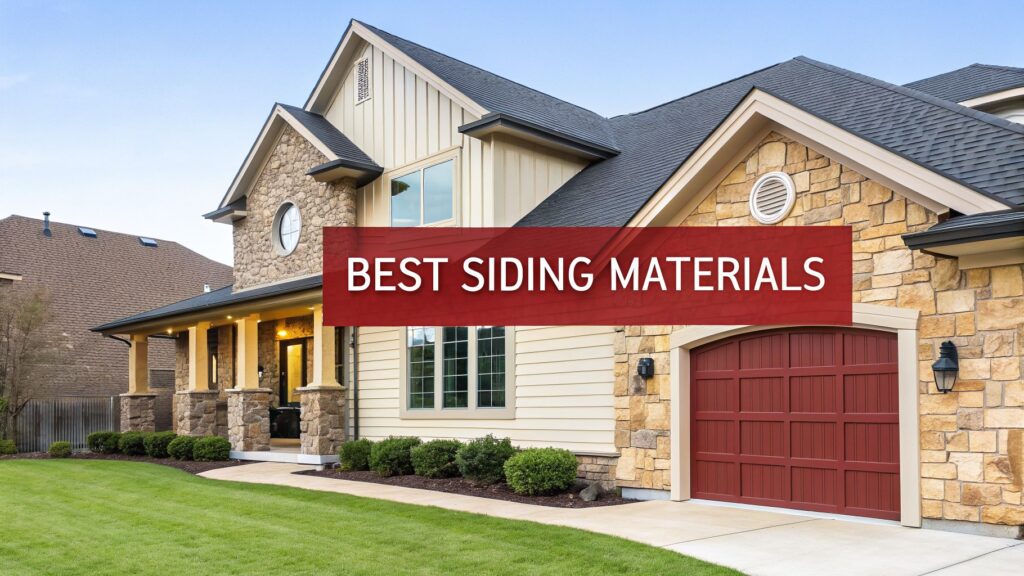
Best Siding Materials: Texas Home Guide for 2026
Picking the best siding materials for your Texas home really comes down to a balancing act between cost, durability, and the look you want. For most folks, it boils down to two heavyweights: modern vinyl siding, which is tough and easy on the wallet, or fiber cement, which offers unbeatable storm protection and fantastic long-term value.
Understanding Siding Options for Texas Weather
Choosing siding in Texas is a unique challenge. You’re not just picking a color; you're preparing your home for a gauntlet of intense sun, smothering humidity, and some seriously severe weather. Here in Dallas-Fort Worth, we all know hail is a real threat, so siding durability isn't just a "nice-to-have"—it's a necessity. To get a good overview of what works best locally, it's worth checking out the best types of siding for homes in Dallas-Fort Worth.
Instead of just listing features, we're going to compare these materials based on what truly matters to Texas homeowners:
- Durability and Storm Resistance: How well does it handle our infamous hailstorms, high winds, and constant moisture?
- Maintenance Needs: What's the real-world upkeep? Are you going to be painting every few years, or is it more of a "set it and forget it" situation?
- Aesthetics and Curb Appeal: Does the material fit your home’s style and give you the look you’re after?
- Lifetime Cost: We'll look beyond the initial price tag to consider the full picture, including installation, maintenance, and potential repairs down the road.
Key Contenders for Texas Homes
We’ll dig into the top siding materials that we see perform well in our climate day in and day out. Vinyl siding, for instance, has taken the lead for a reason. It's projected to command 38-41% of the entire U.S. siding market, and a big part of that is cost—its installation is typically 24% cheaper than fiber cement. In storm-heavy areas, professionals often lean on it for its proven ability to bounce back from hail and wind.
Your siding is your home's first line of defense, but it doesn't work alone. A professional installation ensures it integrates properly with your other exterior systems. For example, knowing why a house needs gutters is critical, as a good gutter system is what keeps water from running down your new siding and compromising your foundation.
With this perspective, you'll be able to make a smart, confident decision that protects your home and your wallet for years to come.
Quick Siding Comparison for Texas Homeowners
Choosing siding for your Texas home is a big decision. You're trying to find the right balance between curb appeal, budget, and durability, especially with our wild weather. To get started, let's cut straight to a high-level overview of the most common options on the market.
This quick look will help you narrow down your choices before we get into the nitty-gritty details of how each material actually performs in the real world, from Dallas-Fort Worth to the humid climate of East Texas.
First, it helps to know what everyone else is using. The chart below shows that vinyl siding holds a significant piece of the market, largely because it's so affordable. But popularity doesn't always mean it's the best fit for every home, particularly in a hail-prone area.
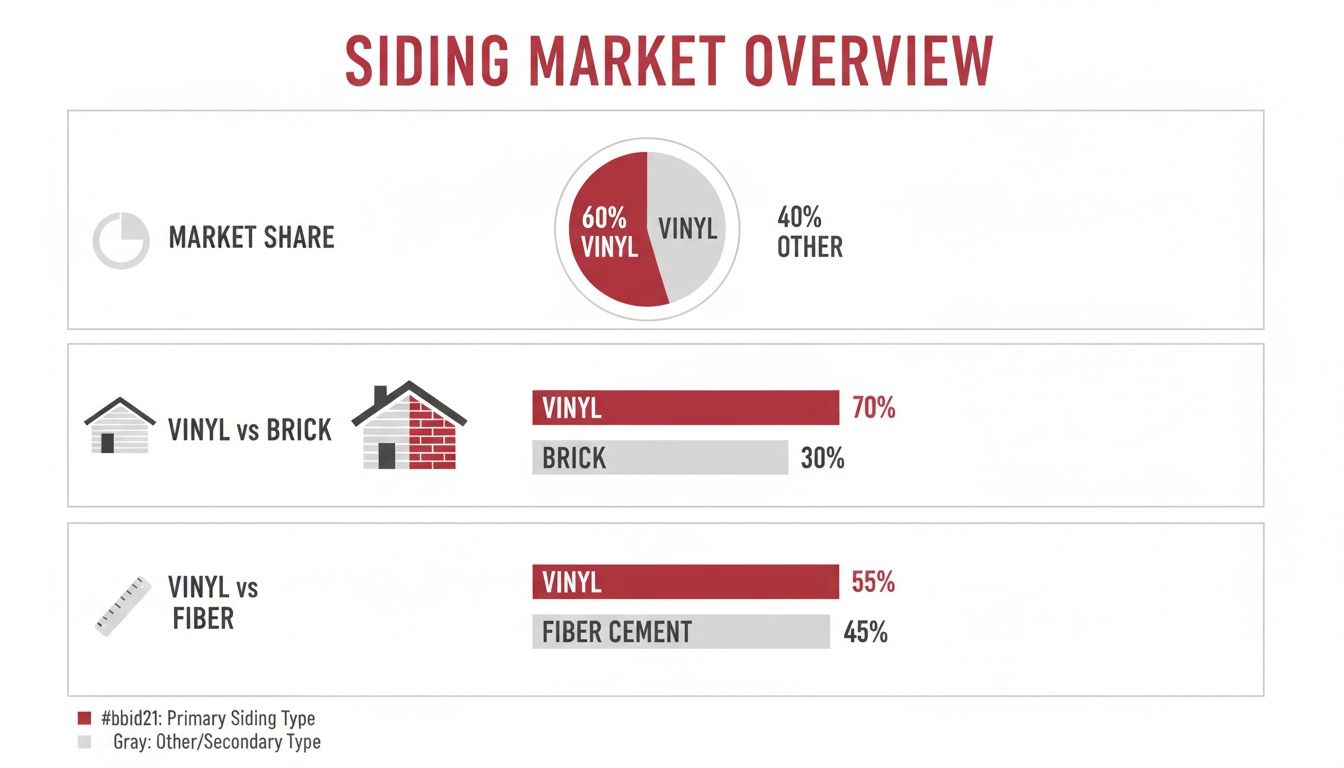
As you can see, vinyl's market share is hard to ignore. It’s a testament to its cost-effectiveness and modern improvements in durability, but as we’ll see, it has its trade-offs.
Siding Materials At-a-Glance Comparison for Texas
To make things simple, we've put together a table comparing the most popular siding materials based on what matters most to Texas homeowners: upfront cost, lifespan, maintenance, and—critically—how well it stands up to hail.
| Siding Material | Average Cost (Per Sq. Ft. Installed) | Lifespan | Maintenance Level | Hail Resistance Rating (Texas Specific) |
|---|---|---|---|---|
| Vinyl | $4.00 – $8.00 | 20-40 years | Low | Moderate |
| Fiber Cement | $6.00 – $13.00 | 50+ years | Low to Moderate | High |
| Wood | $8.00 – $15.00+ | 20-40 years | High | Moderate to High |
| Engineered Wood | $7.00 – $12.00 | 20-30 years | Moderate | High |
| Metal (Steel) | $5.00 – $10.00 | 40-70 years | Low | Very High |
| Stucco | $9.00 – $15.00 | 50-80 years | Low to Moderate | Low to Moderate |
| Brick/Stone Veneer | $15.00 – $30.00+ | 100+ years | Very Low | Very High |
While the initial cost of vinyl is appealing, notice the dramatic difference in lifespan and hail resistance when compared to fiber cement or brick veneer. Your decision should balance upfront savings with the potential for future repairs, especially after a major North Texas hailstorm.
So, what does this all mean for you? There's a clear trade-off here. Less expensive materials like vinyl get the job done for a low initial investment but might need replacing much sooner, particularly after a few rough storm seasons.
On the other hand, premium options like brick veneer or fiber cement command a higher price but deliver incredible durability and a long lifespan. For many, they're a "one and done" investment. Understanding this balance between cost and resilience is the first step to making the right call for your home.
Vinyl vs. Fiber Cement: A Practical Comparison
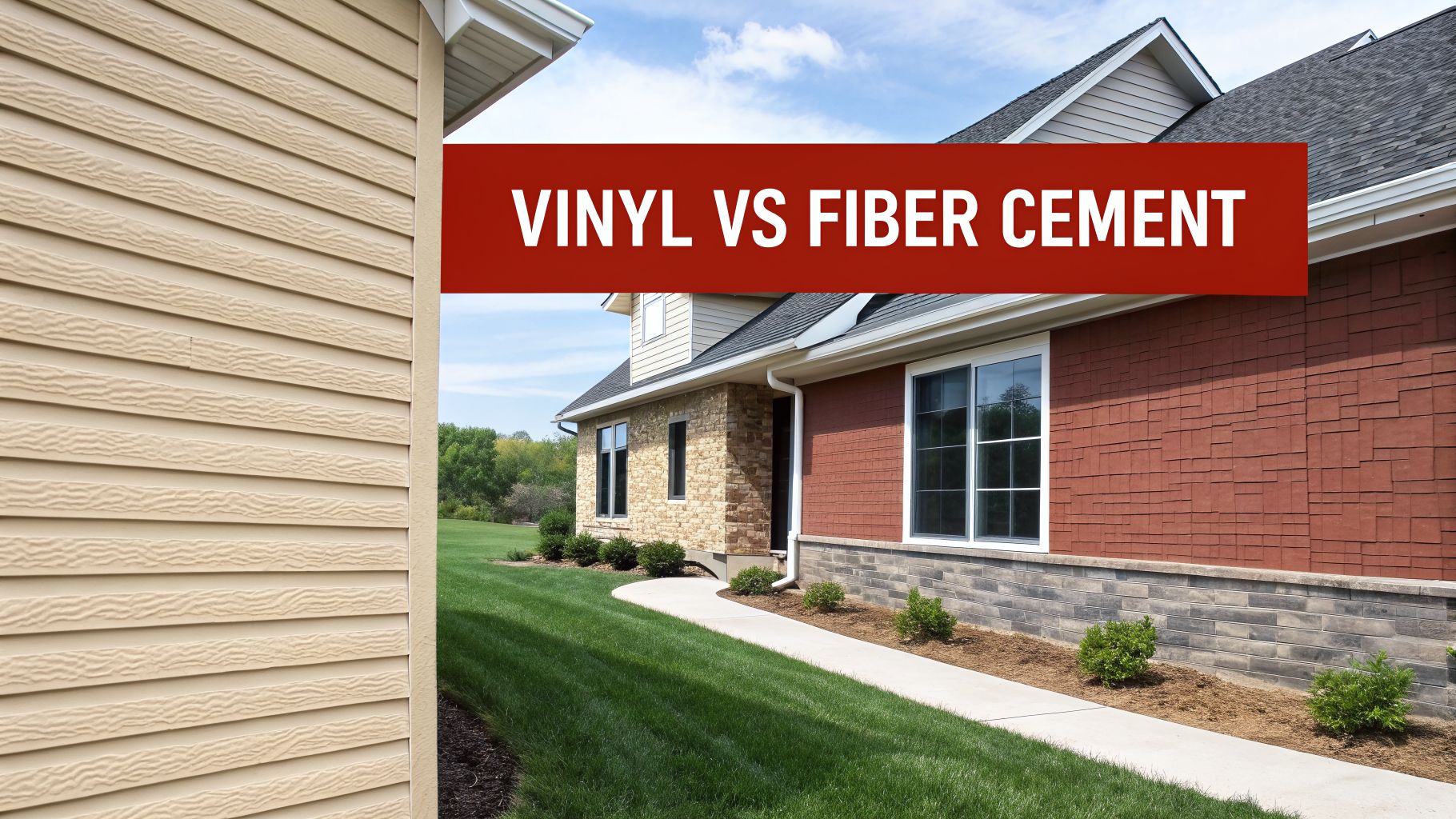
When it comes to siding in Texas, most homeowners find themselves weighing two top contenders: vinyl and fiber cement. They’re both incredibly popular for modern homes, but they couldn’t be more different in what they offer. One is all about affordability and hands-off maintenance, while the other is built for premium looks and serious durability.
Let’s move past the basic pros and cons. What really matters is how these materials stand up to the reality of living in Dallas-Fort Worth and East Texas—our intense sun, heavy rains, and, of course, the constant threat of hail. The best choice for your home really comes down to your budget, how long you plan to stay, and how much risk you’re willing to take.
The Upfront Cost and Lifetime Value Equation
The first thing you’ll notice when comparing vinyl and fiber cement is the price. There's no contest here—vinyl is the champion of affordability. The material itself costs less, and it goes up faster with less specialized labor, which keeps installation costs down. It’s an easy choice for anyone on a tight budget or just looking for a fast, effective facelift for their home.
Fiber cement, on the other hand, asks for a bigger investment right out of the gate. The material is heavy and more difficult to handle, so it requires a skilled crew with the right tools, which naturally increases the labor cost. It's easy to get sticker shock, but you have to think about the total cost over the life of the siding. To see how the numbers play out over time, this detailed cost breakdown for fiber cement and vinyl siding provides a great look at the long-term picture.
The Bottom Line: Vinyl has a lower entry price, perfect for immediate siding needs. Fiber cement costs more upfront but often delivers a better return through its sheer toughness and longevity.
Performance in a Texas Hailstorm
In North Texas, siding is your home's first line of defense. Hail is the ultimate test, and this is where the gap between vinyl and fiber cement really widens.
- Vinyl Siding: Standard vinyl is made to be flexible. That’s helpful against minor bumps, but the kind of large hailstones we see in DFW can easily cause it to crack, chip, or even shatter. The damage is often widespread, leaving a house covered in hundreds of small fractures that demand a full replacement.
- Fiber Cement Siding: This material is a mix of cement, sand, and cellulose fibers, making it incredibly rigid and impact-resistant. It’s engineered to handle projectiles, which is why it usually comes with a high hail-resistance rating. While a freakishly large hailstone might cause a crack, it’s far less likely to suffer the widespread pockmarking that vinyl does.
That resilience is why so many homeowners seeking peace of mind lean toward fiber cement. It's quickly become a top choice for durability, especially in stormy places like Texas. People in Dallas-Fort Worth value its Class A fire rating and its ability to handle winds up to 150 mph, making it a go-to for insurance-backed repairs after a storm. In fact, industry reports show fiber cement installations have jumped 15-20% in hurricane-prone areas since 2020, thanks to its potential for a 50-year warranty. For a closer look at this trend, you can learn more about North American siding findings.
Aesthetics and Design Flexibility
Curb appeal is a huge deal, and your siding is front and center. Both materials give you plenty of style and color choices, but they get there in very different ways.
Vinyl Siding
With vinyl, the color is mixed into the material itself. This is a massive plus for maintenance because it will never need painting, and any scratches are less obvious. The downside? You're stuck with the colors the manufacturer offers, and you can't just decide to paint it a new color in a few years. While modern textures are getting better, it still sometimes has trouble looking like real, authentic wood.
Fiber Cement Siding
Fiber cement gives you much more creative freedom. You can get it pre-painted in a huge variety of colors or have it delivered primed and ready for a custom paint job on-site. This means your color options are literally limitless, and you always have the option to repaint for a fresh look down the road. Because it can hold deep, embossed textures, it does a much better job of mimicking the rich look and feel of natural wood grain, but without all the upkeep.
Making the Right Choice for Your Home
So, which one is it? The decision is a trade-off: do you prioritize your immediate budget or long-term performance?
Choose Vinyl Siding If:
- Your main goal is to keep upfront costs as low as possible.
- You want a "set it and forget it" option that never needs to be painted.
- You live in an area with a lower risk of severe hail, or you're okay with the possibility of a storm-related replacement.
- You need a quick and budget-friendly install for a rental property or a home you plan to sell soon.
Choose Fiber Cement Siding If:
- Durability and storm resistance are your absolute top priorities.
- You want the most authentic wood-like look and a premium, high-end curb appeal.
- You value the flexibility to change your home's color in the future.
- You view the higher initial cost as a smart, long-term investment in your home's protection and value.
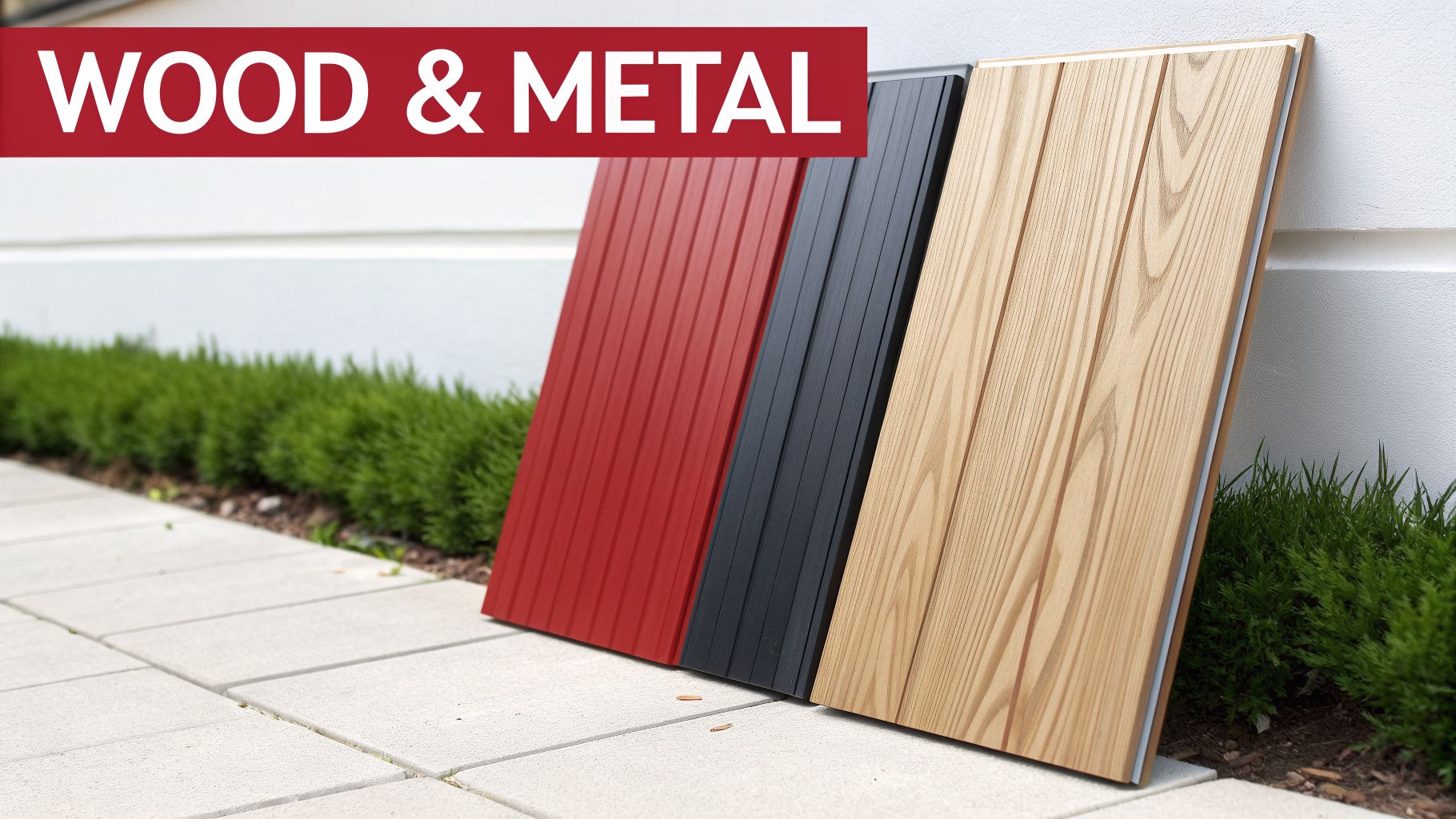
If you're looking for something beyond the usual vinyl and fiber cement, you might find yourself drawn to the distinct character of wood or the clean lines of metal. These aren't your everyday siding choices. One is rooted in timeless, natural beauty; the other offers a bold, industrial-chic statement. They represent two very different paths for your home's exterior.
Choosing between them here in Texas requires a hard look at how they'll stand up to our unique climate. The thick, humid air in East Texas can be unforgiving to natural materials, while the severe hailstorms common in Dallas-Fort Worth pose a real threat to certain panels. Let's dig into the real-world pros and cons of each.
The Classic Appeal of Wood Siding
There's just something about real wood siding that feels authentic and warm. It's a premium finish that can instantly elevate a home, perfect for achieving that rustic farmhouse aesthetic or a classic colonial look. Cedar and redwood are favorites for a reason—they have a gorgeous grain and naturally resist some rot and insects.
But that beauty is earned, not just bought. Wood is, by far, the most high-maintenance siding you can choose. To keep it looking great and protecting your home, you have to commit to a strict routine of cleaning, staining, or painting every 3 to 5 years.
Let me be clear: this isn't a friendly suggestion, it's a hard-and-fast rule for owning a wood-sided home in Texas. If you slack on this, especially in the humid corners of East Texas, you’re asking for trouble.
- Rot and Decay: All that moisture is a perfect recipe for fungus and rot to take hold.
- Pest Infestations: Termites and woodpeckers see wood siding as an open invitation.
- Warping and Cracking: The blistering Texas sun will bake the moisture right out of the boards, causing them to split, warp, and cup over time.
Because of this, I only recommend wood siding to homeowners who truly love the look and are ready to embrace the hands-on, long-term commitment. It is the opposite of a "set it and forget it" material.
The Modern Durability of Metal Siding
At the other end of the design spectrum is metal siding. It has become a go-to for modern, industrial, and minimalist homes, and for good reason. Made from steel or aluminum, metal siding delivers incredible durability with almost no upkeep. It won't rot, pests can't eat it, it's fire-resistant, and it doesn't absorb a drop of moisture.
Steel siding, in particular, is a beast. You can expect it to last 40 to 70 years—sometimes even longer. It offers phenomenal protection against high winds and stands up incredibly well to the elements, making it a top contender if your main goal is rock-solid durability.
The biggest selling point for metal is its tough, low-maintenance nature. While wood demands constant care, a well-installed metal system can shield your home for decades with nothing more than an occasional wash-down.
Of course, metal isn't bulletproof, and it has specific weaknesses that are important to consider in the DFW area.
- Denting from Hail: This is the big one. Thinner-gauge aluminum is notorious for denting during hailstorms. While heavy-gauge steel is much tougher, a direct hit from a large hailstone can still leave a mark. Cosmetic hail damage is a real possibility.
- Scratches: The factory finish is strong, but a deep gouge can expose the bare metal. If you don't touch it up quickly, you'll see rust start to form, especially on steel panels.
- Installation is Everything: A professional installation is non-negotiable. The panels need space to expand and contract with temperature changes. A botched job will result in wavy, buckled panels, a phenomenon we call "oil canning."
Head-to-Head: Wood vs. Metal
To make the right call for your Texas home, let's put these materials side-by-side.
Aesthetic & Style
- Wood: Gives you that unmatched natural beauty. It's the go-to for traditional, rustic, and craftsman homes that need a warm, authentic finish.
- Metal: Delivers a sleek, clean, and modern look. It’s the perfect match for contemporary, industrial, or minimalist architecture.
Maintenance Commitment
- Wood: High. You're signing up for a regular schedule of staining or painting every few years. It's a serious investment of time and money.
- Metal: Low. A simple wash-down now and then is all it needs. The baked-on finishes are designed to last for decades.
Durability & Lifespan
- Wood: Expect 20-40 years, but only with consistent, meticulous maintenance. Its lifespan is 100% tied to how well you care for it.
- Metal: A much longer 40-70+ years. It’s simply superior when it comes to resisting fire, rot, and insects.
Texas-Specific Performance
- Wood: It struggles with East Texas humidity (rot) and is a prime target for pests like termites. High-quality sealants are essential for its survival.
- Metal: The major risk is denting from DFW hailstorms, especially with lighter aluminum. Heavy-gauge steel is a much safer bet for impact resistance, but it's not invincible.
Which Is the Right Choice for Your Home?
Ultimately, your decision hinges on what you value more: aesthetics or practicality.
Choose Wood Siding If:
- The authentic, natural look of real wood is non-negotiable for you.
- You genuinely enjoy home maintenance and are prepared for the recurring work of staining and sealing.
- Your home's architectural style, like a historic or craftsman design, just wouldn't look right with anything else.
Choose Metal Siding If:
- You want a "one-and-done" solution that is extremely durable and requires minimal upkeep.
- You're aiming for a modern, clean, or industrial style for your home.
- Top-tier fire resistance and protection from pests are high on your list of priorities.
Stucco, Brick, and Stone: The Ultimate Exterior Finishes
If you’re looking for an exterior that truly stands the test of time, you'll eventually find yourself considering the heavyweights: stucco, brick, and stone. These aren't just siding; they're classic, premium finishes that communicate permanence and undeniable curb appeal. Think of them as the top tier of home exteriors, both in looks and in resilience.
But making the right choice, especially here in the demanding Texas climate, means knowing exactly what you’re getting into. These materials require a serious upfront investment and have specific structural needs. Let's break down where each one excels and the potential headaches you need to watch out for.
The Timeless Texture of Stucco
There’s a reason traditional stucco is so common on Southwestern and Mediterranean-style homes—it delivers a gorgeous, seamless, and earthy finish that just feels right. It’s a classic blend of cement, sand, lime, and water, skillfully applied in multiple layers over a lath base. One of its best qualities for us here in Texas is how it handles our relentless heat. As a cement product, it’s naturally fire-resistant and holds up to intense sun without fading.
The biggest issue with traditional hard-coat stucco in Texas lies right under your feet. Our expansive clay soil, especially around Dallas-Fort Worth, is famous for causing foundations to shift. When a foundation moves, that stress has to go somewhere, and it often transfers directly into the rigid stucco, causing cracks. Minor hairline cracks are one thing and can be patched, but larger structural cracks can open the door for water intrusion.
Stucco's long-term success really boils down to two things: a stable foundation and a perfect installation. A small mistake during application can trap moisture behind the finish, leading to rot and damage that you might not even see for years.
Because of this, stucco is a much safer bet for homes built on more stable ground or for houses with reinforced foundations engineered to handle soil movement. It’s a stunning option, but one that comes with a very specific risk tied directly to our local geology.
Brick and Stone Veneer: The Gold Standard for Durability
When longevity and low maintenance are your top priorities, brick and stone veneers are in a league of their own. Many see these materials as the ultimate investment in a home’s exterior, providing a prestigious look that simply never goes out of style. With a potential lifespan of 100 years or more, this is quite literally a "once-in-a-lifetime" siding decision.
It's important to know we're talking about a veneer—a single layer of brick or stone installed over the home's structure—not a solid brick or stone wall. While it functions as a siding system, it delivers that same incredible toughness and timeless aesthetic.
Why They Shine in Texas:
- Extreme Durability: Brick and stone are practically indestructible against the elements. They won't rot, pests can't eat them, and they don't burn.
- Top-Tier Storm Resistance: When the hail starts falling, this is the siding you want. It takes a truly massive storm to do any real damage, which offers incredible peace of mind in DFW and East Texas.
- Almost No Maintenance: Forget about painting or staining. A simple power wash every few years to clear off dirt and mildew is all the upkeep you'll ever need.
Of course, this kind of performance doesn’t come cheap. Brick and stone veneers are the most expensive siding materials you can buy, often costing double or even triple what you’d pay for fiber cement.
Critical Installation and Structural Realities
That higher price tag isn't just for the materials; it's also about the demanding, labor-intensive installation. Laying brick and stone is a specialized trade that requires a true mason—this is not a job for a general siding crew.
The sheer weight of these materials is another huge consideration. Your home’s foundation needs a dedicated brick or stone ledge specifically designed to support that massive load. If you're building a new home, this is easy enough to plan for. But if you're thinking about adding a brick or stone veneer to an existing home that wasn't built for it, you're likely looking at major—and very expensive—structural work on the foundation.
Making the Final Call:
You should choose Stucco if:
- You're committed to the seamless look of a Mediterranean or Spanish-style home.
- Your property sits on stable soil, which dramatically lowers the risk of foundation-related cracks.
- You've found a highly-skilled installer you trust and have budgeted for potential long-term crack repairs.
You should choose Brick or Stone Veneer if:
- Your absolute highest priorities are extreme durability and minimal maintenance.
- You’re building a new custom home where the necessary foundation support can be designed from the start.
- You have the budget for a significant upfront investment and want a "forever" siding that adds major value and peace of mind.
How to Make Your Final Siding Decision
Alright, you've done the hard work. You’ve looked at the costs, weighed the pros and cons, and seen how different siding materials hold up to our wild Texas weather. Now comes the moment of truth: turning all that research into a final, confident choice.
This isn't just about picking a product off a shelf. It’s about choosing a complete protective system for your home that you'll have to live with for decades. What works perfectly for a modern farmhouse in a hail-prone DFW suburb could be a disaster for a classic home in humid East Texas. To really nail this down, it helps to take a step back and ask a few pointed questions.
The Final Siding Selection Checklist
This simple framework will help you cut through the noise and focus on what truly matters for your home and your family. Get honest with yourself on these key points:
- What’s my real-world budget? Think beyond the initial installation cost. Factor in long-term expenses like repainting or the potential for repairs down the road.
- How much maintenance am I actually willing to do? Be honest. Do you see yourself repainting wood siding every few years, or do you need a "set it and forget it" material like vinyl or fiber cement?
- What look am I going for? Your siding needs to match your home’s architecture, but it also has to be something you love seeing every time you pull into the driveway.
- How critical is hail and storm resistance? If you live anywhere in North Texas, this should be near the top of your list. The extra cost for a tough material like fiber cement or metal often pays for itself after the first major storm.
- How long are we staying in this house? If this is your "forever home," investing in a 50+ year material like brick or stone makes a lot of sense. If you might move in 5-7 years, a more cost-effective choice like vinyl could be the smarter play.
Answering these questions will quickly narrow that long list of options down to just one or two top contenders. From there, the choice usually hinges on the single most important factor of all.
The best siding material in the world will fail if it's installed incorrectly. Your warranty, weather resistance, and your home’s curb appeal all depend on the quality of the installation crew.
The Importance of Professional Installation
We can't stress this enough. A sloppy installation can void your manufacturer's warranty, create leaks, and make your home vulnerable to the very weather you're trying to protect it from. When an insurance adjuster comes out after a hailstorm, one of the first things they check for is proper installation—if it's not done right, your claim could be in jeopardy.
Choosing the right installation partner is just as critical as choosing the material itself. A great contractor will be your guide, helping you finalize the decision and ensuring the work is done to exacting standards. Many of the same rules for finding a trustworthy roofer apply here, too. For more on that, take a look at our guide on how to choose a roofing contractor.
Ultimately, new siding is a major investment in your home’s security, value, and appearance. By balancing your budget, style, and maintenance tolerance with the realities of Texas weather—and by making a quality installation your top priority—you can make a decision that will protect your home and give you peace of mind for years to come.
A Few Last Questions About Siding in Texas
Once you’ve narrowed down your siding choices, a few practical questions almost always come up. We've been helping Texas homeowners for years, and these are the final details we find ourselves discussing most often.
Will My Homeowners Insurance Cover Siding Replacement?
This is the big one, and the answer is usually yes—if the damage is from a storm. When hail or high winds cause functional damage to your siding (not just cosmetic scuffs), most homeowners insurance policies will cover the replacement.
The key is proper documentation. You absolutely need a professional inspection from a contractor who specializes in storm damage. Their detailed report is your best tool for a successful claim. To see exactly how this works from start to finish, our guide on the storm damage insurance claim process breaks it all down.
What Is the Most Hail-Proof Siding?
Nothing is truly "hail-proof," especially with the kind of storms we get here. But some materials come a lot closer than others. For top-tier impact resistance, it’s hard to beat fiber cement and metal siding. They are built to take a beating from the large hailstones we see in North and East Texas.
That said, don't sleep on modern vinyl. The technology has come a long way. High-quality insulated vinyl siding can be surprisingly resilient against moderate hail, offering a fantastic balance of performance and price. For many homeowners, it's the sweet spot for value and durability.
How Does Siding Choice Affect Energy Efficiency?
While the siding material itself offers a small amount of insulation, the real energy savings come from what’s underneath. A siding replacement project is the perfect time to upgrade your home’s thermal performance.
By adding a layer of insulated sheathing or a modern house wrap behind the new siding, you create a much tighter seal. This thermal break drastically reduces air leakage, which can make a noticeable difference in your heating and cooling bills. It’s a smart upgrade that boosts efficiency no matter which siding material you ultimately choose.
Ready to invest in siding that can truly handle Texas weather? The team at Hail King Professionals has decades of experience helping homeowners select and install the perfect exterior for their needs. For a free, no-obligation inspection and a transparent quote, visit us online at Hail King Professionals.