

Roof Inspection
The Ultimate Roof Inspection Checklist Every Homeowner Needs
Your roof is one of the most important—and expensive—components of your home. It shields you from the elements, keeps your family safe, and plays a major role in your property’s overall value. Yet many homeowners don’t give their roof a second thought until something goes wrong.
Regular roof inspections can prevent small issues from turning into costly repairs. A missing shingle or a clogged gutter might seem minor, but left unchecked, these problems can lead to leaks, structural damage, and even mold growth. The good news? You don’t need to be a roofing expert to spot early warning signs.
This comprehensive checklist will walk you through everything you need to inspect both the exterior and interior of your roof. You’ll learn what tools to use, what red flags to watch for, and when it’s time to call in professionals like Hail King Pros for a thorough assessment.
Gather Your Tools and Safety Gear First
Before you climb a ladder or head into your attic, make sure you’re properly prepared. Safety should always be your top priority during a roof inspection.
Essential tools include:
- A sturdy extension ladder
- Binoculars (for viewing the roof from the ground)
- A flashlight or headlamp
- Work gloves
- Non-slip shoes
- A notebook and pen (or your phone) to document findings
- A tape measure
- A camera for photographing damage
Safety gear you’ll need:
- Safety harness and rope (if you plan to walk on the roof)
- Hard hat
- Eye protection
If your roof is particularly steep, high, or slippery, consider skipping the climb altogether and conducting your inspection from the ground using binoculars. Many issues can be spotted this way, and it’s far safer than risking a fall.
Never conduct a roof inspection during wet or windy conditions. Wait for a clear, dry day when you have good visibility and stable footing.
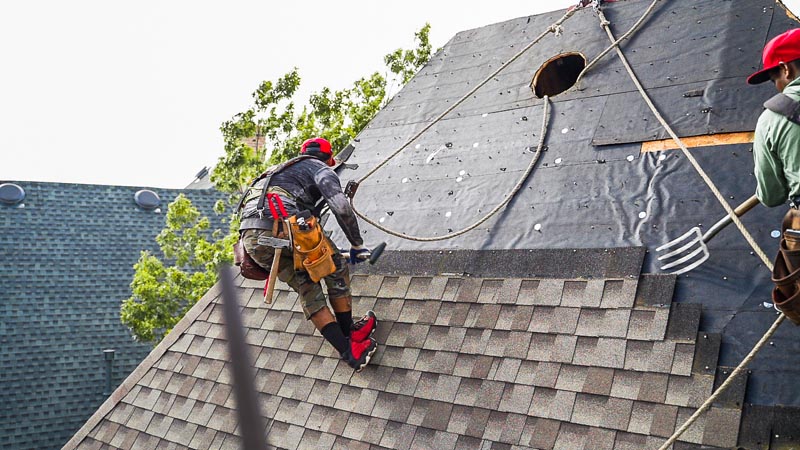
Exterior Roof Inspection: What to Look For
The exterior of your roof faces constant exposure to sun, rain, wind, and debris. Over time, this takes a toll. Here’s what to examine during your outdoor inspection.
Inspect Your Shingles Closely
Start by examining the condition of your shingles. Look for:
- Missing shingles: Gaps in your roof covering leave the underlayment exposed to the elements.
- Curling or buckling: Shingles that curl at the edges or buckle in the middle indicate aging or improper installation.
- Cracked or broken shingles: These can allow water to seep underneath.
- Granule loss: Check your gutters for excessive granules, which look like coarse sand. Losing granules means your shingles are wearing out.
- Dark spots or stains: These could indicate algae or moss growth, which can degrade roofing materials over time.
If you notice widespread damage across multiple areas, it may be time to consider a roof replacement rather than spot repairs.
Check Flashing and Seals
Flashing is the metal material installed around roof features like chimneys, vents, and skylights. It directs water away from vulnerable areas. Inspect all flashing for:
- Rust or corrosion
- Cracks or gaps
- Loose or missing pieces
- Deteriorated caulk or sealant
Damaged flashing is one of the most common sources of roof leaks. If you spot issues here, they should be addressed quickly.
Examine Gutters and Downspouts
Your gutter system plays a critical role in directing water away from your roof and foundation. During your inspection:
- Clear out leaves, twigs, and debris
- Check for sagging or pulling away from the roofline
- Look for rust, holes, or cracks
- Ensure downspouts are securely attached and draining away from the house
Clogged gutters can cause water to back up under your shingles, leading to rot and leaks.
Look at Roof Valleys
Valleys are the V-shaped channels where two roof planes meet. They handle a lot of water runoff, making them prone to wear. Check for:
- Cracked or missing shingles
- Damaged valley flashing
- Debris accumulation
If you see issues in your valleys, prioritize repairs. These areas are especially vulnerable to leaks.
Assess the Chimney and Vents
Inspect your chimney for:
- Cracked or crumbling mortar
- Damaged chimney cap
- Loose or missing bricks
For vents, make sure they’re securely attached and free from cracks. Damaged vents can let moisture and pests into your home.
Interior Roof Inspection: Check Your Attic
An exterior roof inspection only tells part of the story. Your attic can reveal problems that aren’t visible from outside.
Look for Water Stains and Leaks
Enter your attic during daylight hours and turn off all lights. Look at the underside of your roof decking for:
- Water stains or discoloration
- Damp or wet spots
- Dripping water (especially after rain)
- Mold or mildew growth
Trace any stains back to their source. Water can travel along rafters before dripping, so the leak may not be directly above the stain.
Inspect Insulation
Check your attic insulation for:
- Wet or compressed areas
- Gaps or thin spots
- Signs of pest infestation
Damaged insulation reduces your home’s energy efficiency and can indicate moisture problems.
Examine Rafters and Decking
Look at the wooden structure of your roof for:
- Sagging or bowing
- Cracks or splits
- Rot or decay
- Daylight coming through the boards
Structural issues require immediate professional attention. They compromise the integrity of your entire roof system.
Check Ventilation
Proper attic ventilation prevents moisture buildup and extends your roof’s lifespan. Make sure:
- Vents are clear and unobstructed
- You feel air movement
- There’s no excessive heat buildup in summer
- You don’t see condensation in winter
Poor ventilation can lead to ice dams in cold climates and premature shingle failure in all climates.
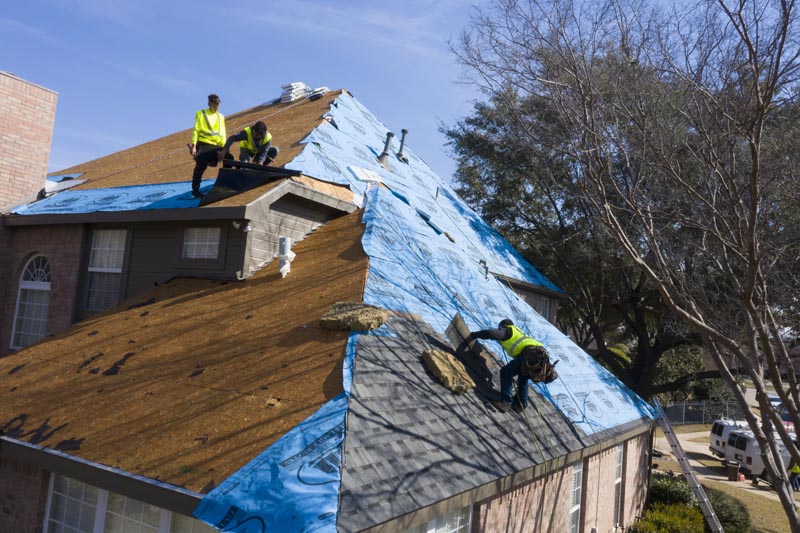
Identifying Storm and Hail Damage
Severe weather can cause significant roof damage that isn’t always immediately obvious. After a major storm, look for these signs:
Hail damage indicators:
- Dents or dings on metal flashing, vents, or gutters
- Dark spots on shingles where granules have been knocked off
- Shingles with visible impacts or bruising
- Cracked or broken shingles
Wind damage signs:
- Lifted or missing shingles
- Debris on the roof
- Damaged or bent flashing
- Exposed underlayment
Water damage from heavy rain:
- New leaks or water stains
- Pooling water on flat sections
- Overflowing gutters
Storm damage often qualifies for insurance claims, but you need to document it promptly. Take clear photos from multiple angles and contact your insurance company quickly.
Why Professional Inspections Matter
While DIY inspections are valuable for routine maintenance, they can’t replace professional assessments. Here’s why working with experts like Hail King Pros makes a difference:
Experience matters: Professional roofers have seen thousands of roofs. They know exactly where to look and can spot subtle problems that homeowners miss.
Comprehensive evaluation: Professionals use specialized equipment and techniques to assess your roof’s condition thoroughly. They can detect issues beneath the surface that aren’t visible during a basic inspection.
Storm damage expertise: After severe weather, companies like Hail King Pros can identify all damage for insurance purposes. They understand what documentation insurers need and can help you file a complete claim.
Safety: Professional roofers have proper equipment, training, and insurance. They can safely inspect steep or high roofs that pose risks to homeowners.
Honest recommendations: Reputable roofing companies will tell you honestly whether you need repairs or replacement. They can prioritize fixes based on urgency and budget.
Consider scheduling a professional inspection:
- At least once every three years
- After any major storm
- Before buying or selling a home
- If you notice any concerning signs during your DIY inspection
- When your roof approaches its expected lifespan
Maintaining Your Roof Between Inspections
Regular roof maintenance extends your roof’s life and prevents expensive repairs. Follow these tips:
- Trim overhanging branches: Keep trees trimmed back at least six feet from your roof. Branches can scrape shingles and drop debris that holds moisture.
- Clean gutters seasonally: Remove debris from gutters and downspouts at least twice a year—more often if you have many trees nearby.
- Remove debris promptly: Don’t let leaves, twigs, or other materials accumulate on your roof. They trap moisture and can lead to rot.
- Address moss and algae: If you spot growth, have it professionally cleaned. Never pressure wash your roof, as this can damage shingles.
- Monitor after storms: Do a quick visual check after severe weather, even if you don’t see obvious damage.
- Keep records: Document all inspections, repairs, and maintenance. This helps track your roof’s condition over time and can be valuable for insurance claims or home sales.
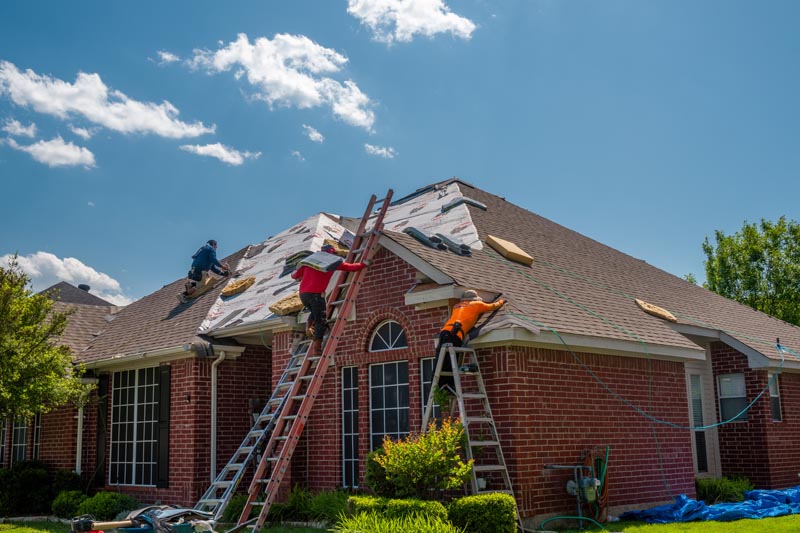
Protect Your Home with Regular Roof Inspections
Your roof works hard to protect everything beneath it. Regular inspections—both DIY checks and professional assessments—ensure it continues doing that job effectively.
Use this checklist as your guide for routine maintenance inspections. Look for the warning signs we’ve covered, document what you find, and address issues promptly. Small problems caught early cost far less to fix than major damage discovered too late.
When you need expert eyes on your roof, contact Hail King Pros for a comprehensive professional inspection. Their experienced team can assess your roof’s condition, identify hidden problems, and provide honest recommendations for keeping your home protected.
Don’t wait until you see water staining your ceiling or missing shingles in your yard. Schedule your inspection today and enjoy the peace of mind that comes with knowing your roof is in good shape.
Hail King Pros
https://maps.app.goo.gl/NkHUXFd1ZvQidxhP8
1900 Industrial Blvd Ste 200, Colleyville, TX 76034, United States
(682) 235-2880
https://hailkingpros.com/