

TPO Roofing
TPO Roofing Explained: Why It’s the Smart Choice for Modern Buildings
Choosing the right roofing material can make or break the longevity and performance of your building. For commercial properties and modern homes, TPO roofing has emerged as one of the most reliable and cost-effective solutions available. It offers a unique combination of durability, energy efficiency, and affordability that’s hard to beat.
But what exactly is TPO, and why has it become such a popular choice among property owners and contractors alike? Whether you’re constructing a new building or replacing an aging roof, understanding the benefits and installation requirements of TPO can help you make an informed decision that saves money and delivers lasting value.
In this guide, we’ll break down everything you need to know about TPO roofing—from its composition and top advantages to installation best practices and maintenance tips. By the end, you’ll see why TPO is quickly becoming the go-to material for roofs that need to perform under pressure.
What Is TPO Roofing?
TPO stands for Thermoplastic Polyolefin, a single-ply roofing membrane made from a blend of polypropylene and ethylene-propylene rubber. This chemical composition gives TPO its signature flexibility and heat-weldable seams, which create a watertight barrier across the entire roof surface.
First introduced in the early 1990s, TPO was developed as an alternative to PVC and EPDM roofing systems. It quickly gained traction due to its balanced performance and lower material costs. Today, TPO membranes are manufactured in sheets that typically range from 10 to 20 feet wide, making installation faster and more efficient on large commercial roofs.
The material is usually white or light gray, which plays a key role in its energy-saving properties. TPO’s reflective surface helps deflect sunlight and reduce heat absorption, keeping buildings cooler during hot weather. This feature alone has made it a favorite for warehouse roofs, shopping centers, and office buildings.
The Top Benefits of TPO Roofing
Exceptional Durability
TPO roofing is built to withstand harsh weather conditions, including heavy rain, strong winds, and hail. The membrane’s flexibility allows it to expand and contract with temperature changes without cracking or splitting. This resilience translates to fewer repairs and a longer lifespan compared to many traditional roofing materials.
Most TPO roofs come with warranties ranging from 10 to 30 years, depending on the manufacturer and installation quality. When installed correctly, TPO can easily last two decades or more with minimal upkeep.
Energy Efficiency That Pays Off
One of TPO’s standout features is its ability to reflect UV rays and reduce cooling costs. Light-colored TPO membranes can reflect up to 87% of the sun’s heat, which significantly lowers the temperature inside your building. This means your HVAC system doesn’t have to work as hard, leading to reduced energy bills month after month.
For businesses and homeowners looking to improve their building’s environmental footprint, TPO roofing is a practical step toward greater sustainability. Some TPO systems even qualify for LEED credits and Energy Star ratings, which can be valuable if you’re pursuing green building certifications.
Cost-Effective Installation and Materials
Compared to other commercial roofing options like PVC or metal, TPO offers a more budget-friendly upfront cost. The material itself is less expensive, and the wide membrane sheets reduce labor time during installation. This combination makes TPO an attractive option for property owners who need quality without stretching their budget.
Additionally, TPO’s lightweight nature means it places less stress on a building’s structural framework. This can eliminate the need for costly reinforcements, especially on older buildings with weight restrictions.
Resistance to Chemicals and Punctures
TPO membranes are resistant to algae growth, mold, and many industrial chemicals, making them ideal for facilities like manufacturing plants, food processing centers, and agricultural buildings. The material also holds up well against punctures and tears, which is crucial for roofs with heavy foot traffic or equipment installations.
The Installation Process: Why Professional Application Matters
Installing a TPO roof isn’t a DIY project. Proper installation is critical to ensuring the roof performs as expected and lasts for decades. Here’s what the process typically involves:
Surface Preparation
The existing roof surface must be cleaned, inspected, and repaired before TPO roof installation begins. Any damaged areas, moisture buildup, or debris can compromise the new membrane’s integrity. A professional roofing contractor will assess the substrate and make necessary repairs to create a smooth, stable foundation.
Insulation Layer
Most TPO installations include an insulation layer beneath the membrane. This layer enhances the roof’s energy efficiency and provides additional protection against temperature fluctuations. The type and thickness of insulation will depend on the building’s location, climate, and energy goals.
Membrane Installation
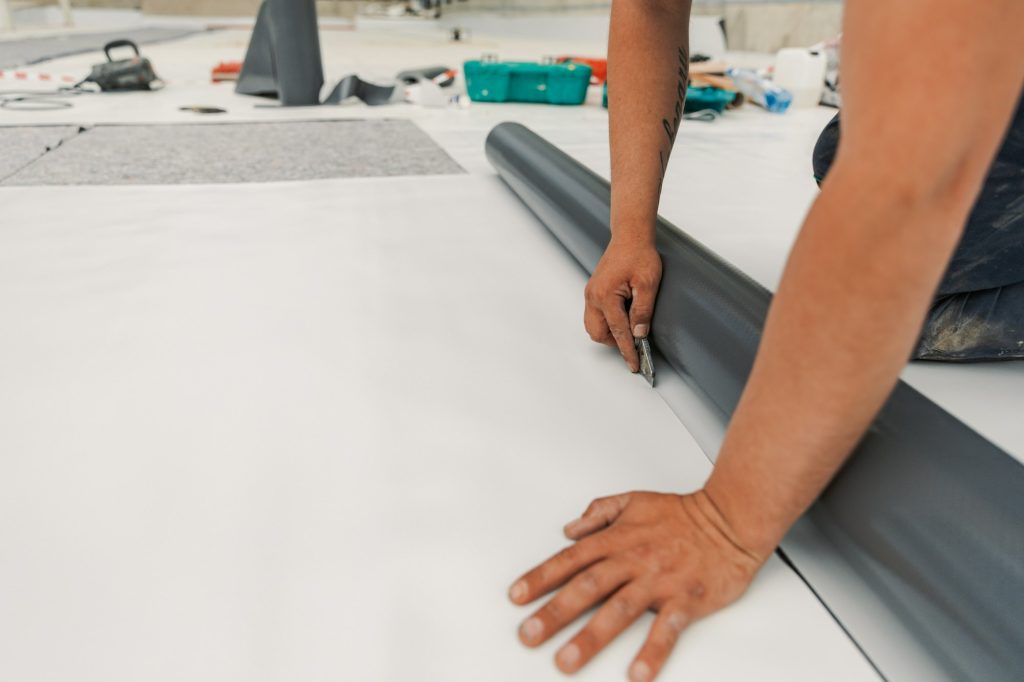
TPO membranes can be attached to the roof deck using three primary methods: fully adhered, mechanically attached, or ballasted. The fully adhered method uses adhesive to bond the membrane directly to the insulation or substrate. Mechanical attachment involves fastening the membrane with screws and plates, while ballasted systems use gravel or pavers to hold the membrane in place.
Each method has its advantages, and the right choice depends on factors like roof slope, building design, and local wind codes.
Heat-Welded Seams
One of TPO’s biggest advantages is its heat-weldable seams. Using hot air welding equipment, installers fuse the seams together to create a continuous, waterproof barrier. This process eliminates the weak points often found in other roofing systems that rely on adhesives or tape.
Heat-welded seams are incredibly strong and resistant to leaks, but they must be done correctly. This is where hiring an experienced contractor like Hail King Pros makes all the difference. Poor welding techniques can lead to premature failures and costly repairs down the line.
TPO vs. Other Roofing Materials
TPO vs. EPDM
EPDM (ethylene propylene diene terpolymer) is another popular single-ply roofing membrane, often referred to as rubber roofing. While EPDM is known for its durability and affordability, it typically comes in black, which absorbs more heat than TPO’s reflective white surface. This makes TPO a better choice for energy efficiency.
EPDM seams are usually glued or taped together, which can be less reliable over time compared to TPO’s heat-welded seams. However, EPDM has a longer track record and may be more resistant to certain punctures in high-traffic areas.
TPO vs. PVC
PVC (polyvinyl chloride) roofing is similar to TPO in many ways. Both materials are heat-welded and offer excellent durability. However, PVC tends to be more expensive due to its chemical composition, which includes plasticizers for added flexibility.
PVC is particularly resistant to chemicals, grease, and fire, making it a preferred choice for restaurants and industrial facilities. TPO, on the other hand, provides a more cost-effective solution for general commercial applications without sacrificing much in terms of performance.
TPO vs. Modified Bitumen
Modified bitumen is a multi-ply roofing system that uses asphalt-based materials. While it’s durable and has been used for decades, it lacks the reflective properties of TPO and typically requires more maintenance. Modified bitumen roofs are also heavier and may not be suitable for all building types.
TPO’s lighter weight and superior energy efficiency make it a more modern and versatile choice for today’s commercial buildings.
Maintenance Tips to Extend the Lifespan of Your TPO Roof
Even though TPO is low-maintenance, regular inspections and care can help you get the most out of your investment. Here are some simple steps to keep your TPO roof in top condition:
Schedule Annual Inspections
Have a professional roofing contractor inspect your TPO roof at least once a year. They’ll check for signs of wear, membrane shrinkage, loose seams, or debris buildup. Catching small issues early can prevent expensive repairs later.
Keep the Surface Clean
Remove leaves, branches, and other debris from your roof regularly. Accumulated debris can trap moisture and lead to premature deterioration. For buildings surrounded by trees, more frequent cleanings may be necessary.
Check Seams and Flashing
Inspect seams and flashing around roof penetrations like vents, skylights, and HVAC units. These areas are more vulnerable to leaks and should be monitored closely. If you notice any separation or damage, contact a professional immediately.
Avoid Unnecessary Foot Traffic
While TPO is puncture-resistant, excessive foot traffic can still cause wear over time. Limit roof access to necessary maintenance tasks, and always use walkway pads when working on the roof.
Address Repairs Promptly
If you notice a leak or damage, don’t wait to have it repaired. TPO repairs are relatively straightforward when addressed quickly, but delays can lead to more extensive damage and higher costs.
Why Choose Hail King Pros for Your TPO Roofing Needs
When it comes to installing or repairing a TPO roof, experience and expertise matter. Hail King Pros has built a reputation as a trusted roofing contractor specializing in TPO systems for commercial and residential properties. Our team understands the nuances of TPO installation, from proper surface preparation to flawless heat-welded seams.
We use only high-quality materials for roofing from reputable manufacturers and follow industry best practices to ensure your roof performs at its best. Whether you’re building a new structure or replacing an old roof, Hail King Pros delivers reliable results that stand the test of time.
Our commitment to customer satisfaction means we’re with you every step of the way—from the initial consultation to the final inspection. We also offer comprehensive maintenance services to help you protect your investment for years to come.
Make the Smart Choice for Your Roof
TPO roofing has proven itself as a durable, energy-efficient, and cost-effective solution for modern buildings. Its reflective surface, heat-welded seams, and resistance to harsh weather make it an excellent choice for property owners who want long-lasting performance without breaking the bank.
If you’re considering TPO for your next roofing project, don’t settle for anything less than expert installation. Contact Hail King Pros today for a free consultation and discover how we can help you make the smart choice for your roof.
Hail King Pros
https://maps.app.goo.gl/NkHUXFd1ZvQidxhP8
1900 Industrial Blvd Ste 200, Colleyville, TX 76034, United States
(682) 235-2880
https://hailkingpros.com/