


What is Soffit and Fascia on a House? A Complete Guide
You’re probably here because you noticed something odd along the edge of your roof. Maybe paint is peeling high above the porch. Maybe a gutter looks loose. Maybe you watched a squirrel slip into a gap under the eave and thought, “What part of the house even is that?”
Most homeowners know the roof, gutters, and siding. Fewer know the names of the trim pieces that sit right between them. Those parts are soffit and fascia, and they do a lot more than make the roofline look finished.
If you live in Dallas-Fort Worth or East Texas, these pieces take a beating. Heat builds in the attic. Humidity sticks around. Hail can crack, dent, or loosen trim near the roof edge. Then water gets in, pests find a path, and a small cosmetic problem turns into a repair you can’t ignore.
When people ask what is soffit and fascia on a house, they’re usually not asking for a textbook definition. They want to know what they’re looking at, why it matters, and whether that damage near the roofline is serious. That’s the practical answer this guide gives.
The Unsung Heroes of Your Home's Exterior
A lot of roof-edge problems start with something easy to dismiss.
You see a brown stain under the eave and assume it’s old paint. You hear scratching above a bedroom ceiling and blame the weather. You notice one corner gutter pulling away and think it just needs a screw tightened. In many homes, the underlying issue is the same. The soffit or fascia has started to fail.
These parts don’t get much attention because they’re not front-and-center like shingles or windows. But they work every day. They help your attic breathe. They close off openings near the roofline. They give gutters a solid mounting surface. When they’re in good shape, you don’t think about them. When they’re not, the whole edge of the house starts acting up.
In Texas, that matters fast.
A hot attic doesn’t stay an attic problem. It pushes your cooling system harder. Wind-driven rain doesn’t stay outside if the roof edge has weak spots. Hail doesn’t have to punch through shingles to cause trouble. It can crack vinyl panels, dent aluminum trim, or loosen sections enough for water to start creeping in later.
Most homeowners first notice soffit and fascia damage by accident, not during a planned inspection.
That’s why these “small trim boards” deserve more respect than they get. They’re part finish work, part ventilation system, part moisture control, and part pest barrier. Once you know what they are, you’ll start spotting them on every house in the neighborhood.
Anatomy of Your Roof Edge Soffit and Fascia Explained
The simplest way to understand this is to stand under your roof overhang and look up.
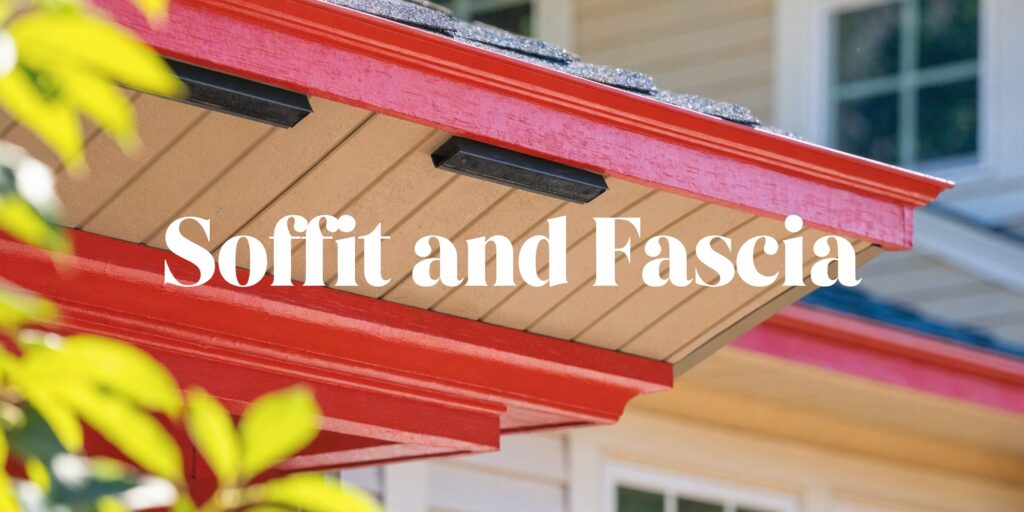
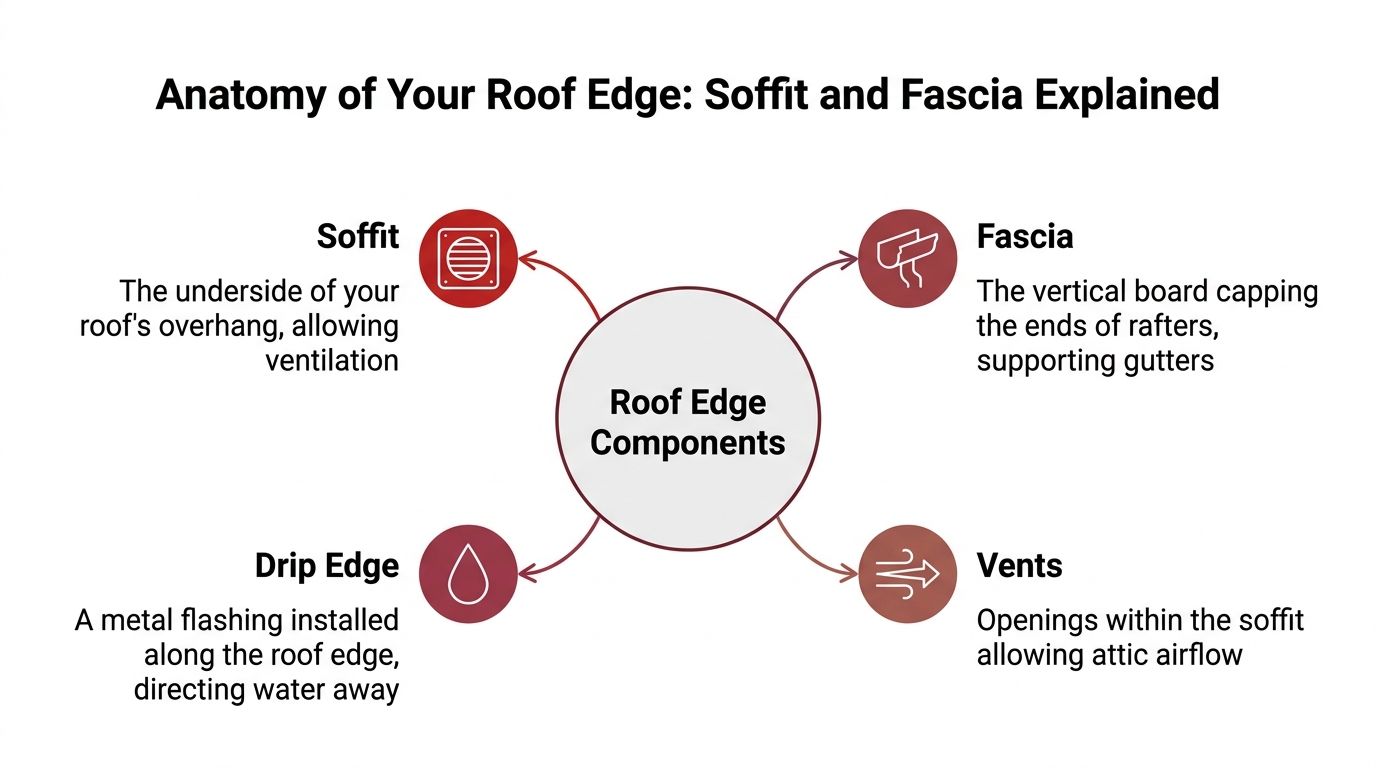
The soffit is the flat, horizontal surface underneath the eave. Think of it as the ceiling of the roof overhang.
The fascia is the vertical board at the outer edge of that overhang. Think of it as the face of the roof edge. That’s also where gutters are usually attached.
A simple way to picture it
If your roof edge were a box:
- The top would be the roof deck and shingles
- The front face would be the fascia
- The bottom panel would be the soffit
- The inside space would connect to your attic or eave area
That mental picture clears up most homeowner confusion.
People often mix up soffit with fascia because they meet at a right angle and are usually finished in matching materials or colors. But they do different jobs. The soffit covers the underside and often includes ventilation openings. The fascia caps the edge and gives the roofline a clean border while supporting the gutter system.
Where each part sits on the house
Here’s the physical layout in plain language:
- Soffit runs from the outside wall to the fascia board under the roof overhang
- Fascia runs horizontally along the roof edge at the ends of the rafters
- Drip edge is the metal flashing at the roof edge that helps direct water off the roof
- Gutters fasten to the fascia, not the soffit
If you’re looking from the street, you’ll usually see the fascia first. If you’re standing close to the house and look up, you’ll see the soffit.
Why soffit usually has vents
Not every soffit is vented, but many are. That’s because the soffit often serves as the intake point for attic ventilation.
The attic needs air to move. Fresh air comes in low, usually through vented soffits, and exits high through roof exhaust vents. According to the installation guidance in this fascia and soffit ventilation document from Berger, building codes call for a balanced 50/50 intake-exhaust ventilation ratio. That same guidance states that Net Free Area requirements are typically 1 square foot per 150 square feet of attic floor area, or 1:300 with a vapor retarder.
That sounds technical, but the practical point is simple. The attic needs enough open vent area to breathe properly.
Practical rule: If a soffit looks solid and sealed everywhere, don’t assume it’s correct. Many homes have soffits that look fine from the ground but don’t provide enough intake ventilation.
The same Berger guidance notes that for an 18-inch deep soffit, an alternating vented and non-vented panel pattern can achieve proper Net Free Area. That’s the kind of detail a contractor checks during installation, replacement, or storm-related inspection.
Why this matters during storm claims
Homeowners often think soffit and fascia are cosmetic trim. Insurance carriers may look at them more closely when damage affects function.
If hail cracks vented soffit panels or damages the roof edge in a way that changes ventilation performance, that can matter beyond appearance. The Berger guidance specifically notes that verifying NFA compliance during hail inspections is important for supporting insurance claims for ventilation upgrades.
That means two things in real life:
- A damaged panel isn’t always just a panel.
- Documentation matters if the storm changed how the system performs.
If you’ve ever asked, “What is soffit and fascia on a house, and why does it matter?” this is the answer. They’re not just trim. They’re part of a working roof-edge system.
Why Soffit and Fascia Are Your Home's First Line of Defense
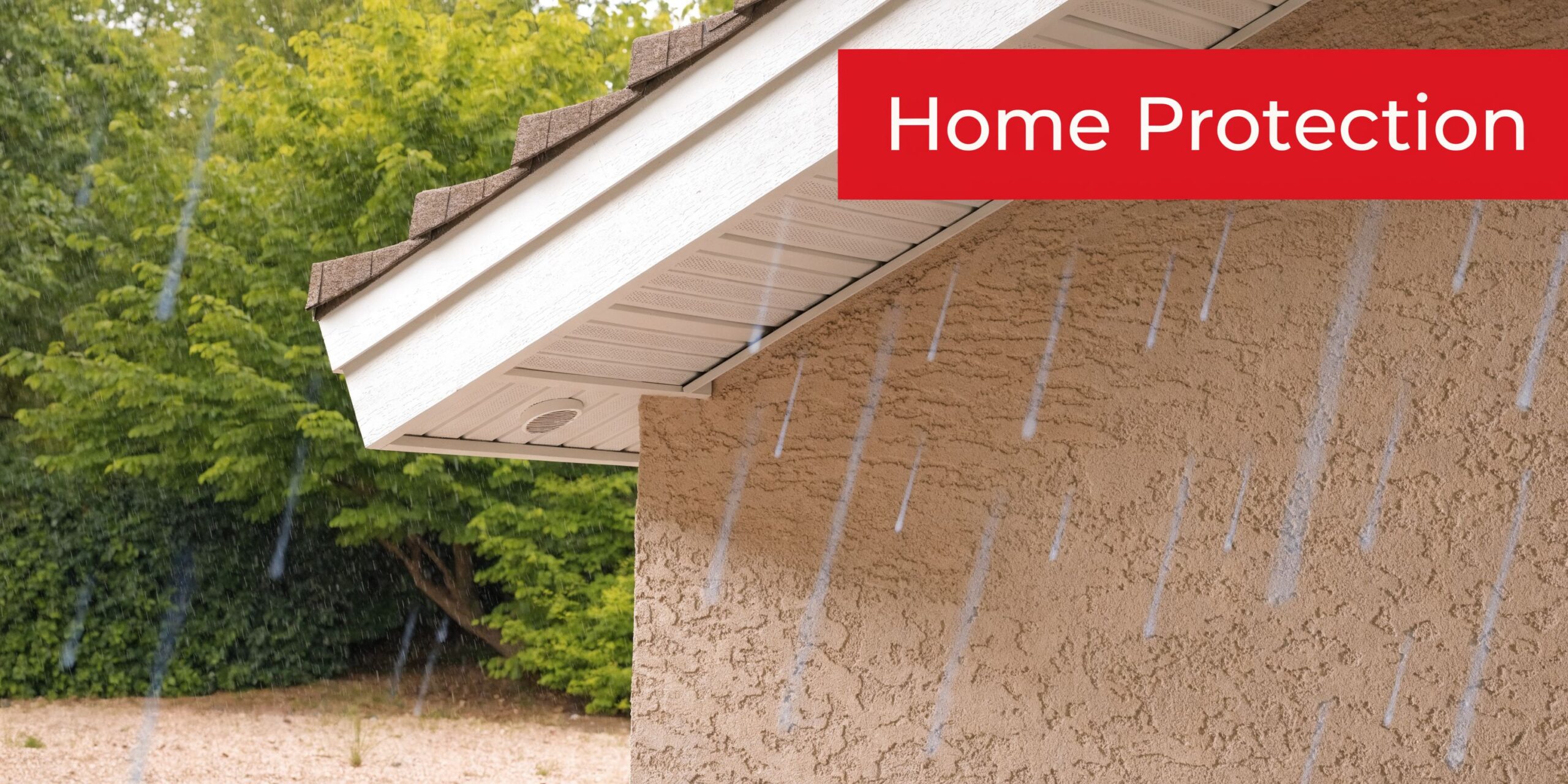
The roof edge does a tough job in Texas. It deals with heat from above, moisture from outside, and airflow demands from inside the attic. Soffit and fascia sit right in the middle of all of that.
When they’re installed right and kept in good shape, they help control temperature, manage rainwater, and shut down common entry points for pests.
They help your attic breathe
In a Texas summer, attic heat can get brutal. If air can’t move through that space, the roof deck, insulation, and HVAC equipment all feel it.
According to this roof soffit and fascia overview, up to 70% of homes in the United States fail to meet basic attic ventilation requirements. The same source says that in hot climates like Texas, properly vented soffits and supporting fascia can reduce attic temperatures by as much as 50 degrees Fahrenheit.
That’s a huge practical difference for a homeowner. Less trapped heat usually means less strain on the cooling side of the house.
A good way to think about soffit ventilation is this: your attic needs lungs. Soffit vents bring in the air that allows hot, stale air to leave through higher exhaust vents. If the intake is blocked, the whole system struggles.
They give gutters a solid backbone
Fascia isn’t just trim. It’s the mounting surface for the gutter system.
When fascia softens from rot or separates from the rafter ends, gutters start to sag, pull away, or overflow in the wrong places. That can dump roof runoff against siding, flower beds, and foundations instead of moving it safely away from the house.
The same Roof Guys source notes that neglected fascia that leads to gutter failure is a factor in 40-50% of insurance claims related to water damage at the roof edge. That’s one reason roof-edge trim deserves attention before it looks “bad enough” from the curb.
If you want a deeper look at how gutters fit into this system, this explanation of what the gutter is helps connect the pieces.
They close off easy entry points
Roof overhangs create hiding spots and small openings. Damaged soffit or loose fascia turns those weak points into entrances.
Birds, squirrels, mice, and wasps don’t need much room. Once they get into the eave or attic area, the problem spreads beyond the roofline. You may end up dealing with torn insulation, nesting debris, chewed wiring, and smells inside the house.
A tight, intact soffit-and-fascia system acts like a barrier. It doesn’t just improve appearance. It helps keep the outside outside.
They work together, not separately
Homeowners often ask which one matters more. That’s the wrong question.
Soffit and fascia are a pair. One helps with intake ventilation. The other closes and supports the edge. If one fails, the other usually gets dragged into the problem. A cracked soffit can let in moisture and pests. A rotted fascia can take the gutter system with it. Once water starts moving where it shouldn’t, nearby trim, paint, and roof decking can all become part of the repair.
A healthy roof edge should do three things at once: move air, shed water, and stay sealed.
That’s why contractors don’t look at these parts as decorative extras. They’re part of the working shell of the home.
Choosing Your Materials Wood vs Vinyl vs Aluminum
Once you know what soffit and fascia do, the next question is usually about materials.
Most homeowners are deciding among wood, vinyl, and aluminum. Each can work. The better choice depends on how much maintenance you’re willing to handle, how exposed your house is to hail and heat, and whether you’re trying to match an existing look.
What matters most in Texas
Material choice isn’t just about curb appeal in Dallas-Fort Worth or East Texas.
You’re also dealing with long stretches of heat, humidity that can linger around the eaves, storm exposure, and the very real chance of hail. A material that looks great on install day may behave differently after a few Texas summers and one rough storm season.
According to this soffit and fascia material overview, soffit and fascia help prevent pest infestations that damage insulation and wiring in over 30% of U.S. homes with attic intrusions. The same source notes that aluminum resists rot but dents easily in hail, and vinyl offers low-maintenance longevity of 20-30 years. It also says compromised fascia can contribute to gutter failure and foundation claims costing $10,000-$50,000 per home in storm-prone areas.
That last point is worth remembering. The material you choose at the roof edge can affect much more than trim.
How the three common options compare
| Material | Average Cost | Lifespan | Maintenance Level | Texas Climate Performance |
|---|---|---|---|---|
| Wood | Varies by species, profile, and paint requirements | Varies by upkeep and exposure | High | Good appearance, but more vulnerable to moisture, repaint cycles, and pest issues if neglected |
| Vinyl | Varies by product line and vent style | 20-30 years | Low | Handles moisture well and stays low-maintenance, but storm damage can crack panels |
| Aluminum | Varies by gauge, finish, and trim profile | Varies by exposure and impact | Low to moderate | Resists rot and handles moisture well, but dents easily in hail |
Wood soffit and fascia
Wood is still the favorite for homeowners who want a classic, solid look.
It paints well. It can match older trim details. It also gives a house warmth that manufactured materials don’t always match. On historic homes or custom homes, wood often looks right.
But wood asks for attention. If paint fails or joints open up, moisture gets in. In humid areas, that can lead to swelling, rot, or pest activity. Wood can absolutely perform well, but it rewards maintenance and punishes neglect.
Vinyl soffit and fascia
Vinyl is popular because it keeps life simple.
It doesn’t rot. It doesn’t need frequent repainting. It’s available in vented and solid profiles, and many homeowners like that they can clean it without turning upkeep into a full exterior project. The source above gives vinyl a 20-30 year lifespan, which makes it attractive for people who want low-maintenance ownership.
Its weak spot is impact and brittleness under the wrong conditions. After a hailstorm, you may see cracks or broken sections rather than dents.
Aluminum soffit and fascia
Aluminum works well around moisture and won’t rot like wood.
That makes it appealing around roof edges, especially when paired with gutter systems. It also gives a clean, wrapped finish that many homeowners like on modern or updated exteriors.
Its tradeoff is straightforward. Hail can dent it. In North Texas, that matters. If your neighborhood sees regular storm activity, the surface may show impacts long before it fails structurally.
If your home has a history of hail claims, ask less about “best-looking” material and more about “best-looking after a storm.”
Which one makes sense
If you want traditional appearance and don’t mind upkeep, wood can be a strong fit.
If you want low maintenance and long service life, vinyl is appealing.
If moisture resistance is the top priority and you’re comfortable with possible hail denting, aluminum remains common for a reason.
The right answer usually comes from the house, not the brochure. Roof style, existing trim, gutter setup, and storm history all matter.
Spotting Trouble Signs of Soffit and Fascia Damage
Most soffit and fascia problems announce themselves early. Homeowners just don’t always know what they’re seeing.
One loose panel, one paint bubble, or one gutter corner pulling away can look minor from the ground. Sometimes it is. Sometimes it’s the first visible clue that water, pests, or storm damage has started working behind the scenes.
Peeling paint and staining
Start with the easiest signs to see from the yard.
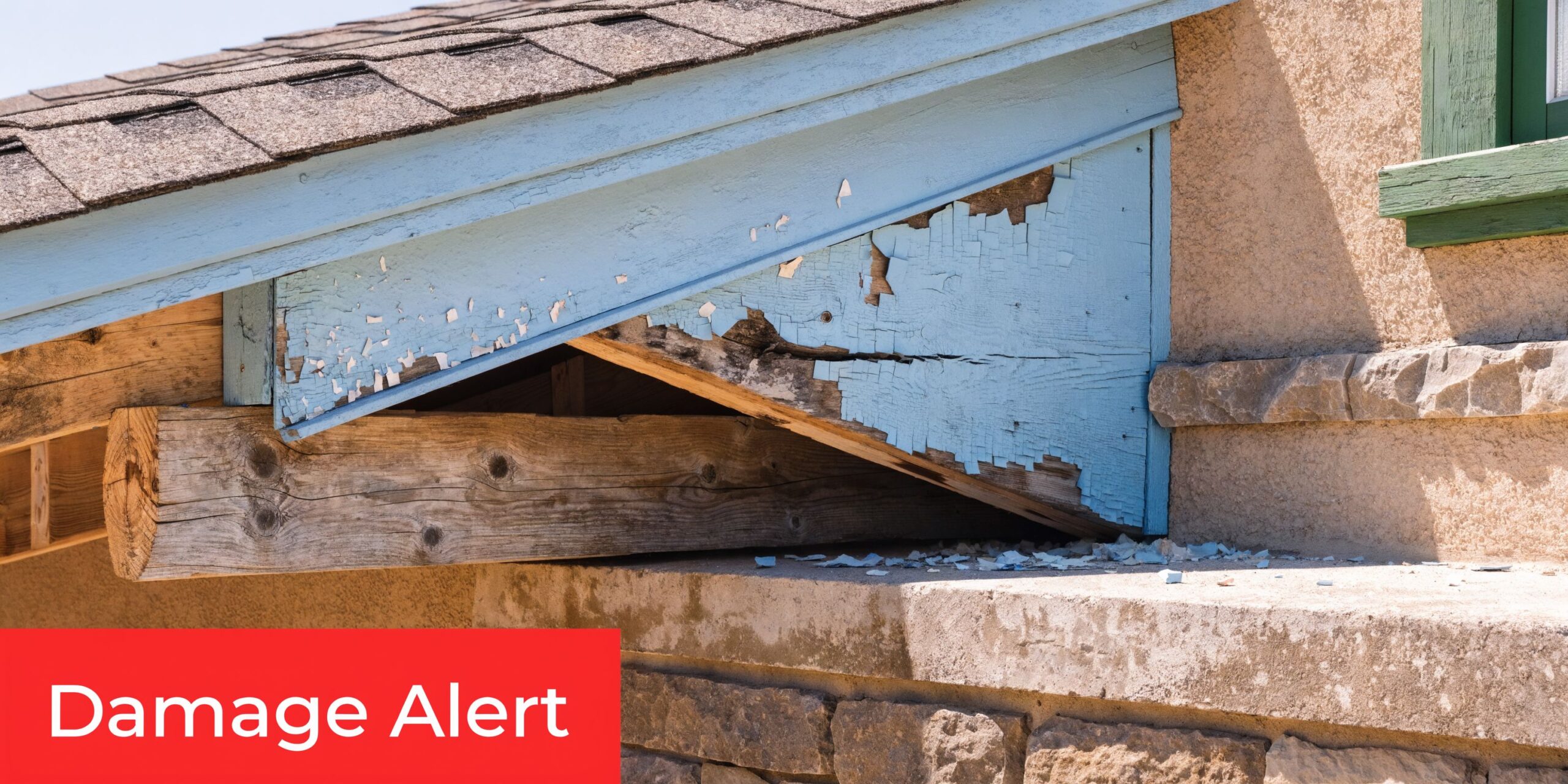
If the fascia paint is peeling in strips or the soffit shows dark patches, those are often moisture warnings. Water may be backing up from the gutter, entering at joints, or soaking into trim after repeated storms. On wood components, that usually means the protective finish has already been compromised.
Look for these clues:
- Brown or yellow streaks under the eaves
- Paint blistering on the fascia face
- Soft spots when trim is gently probed by a professional
- Mildew or discoloration near vent openings
A stain doesn’t always mean active leaking, but it does mean the area deserves attention.
Cracks, holes, and movement
Soffit panels should sit flat and tight. Fascia should look straight and firmly attached.
When you see a crack in vinyl, a gap at a corner, or a section that appears wavy or loose, something has changed. Wind may have lifted it. Heat may have warped it. Moisture may have weakened what’s behind it.
Common visual warnings include:
- Split or cracked panels
- Open joints at corners
- Sagging runs beneath the eaves
- Fasteners backing out
- Daylight visible through roof-edge gaps
These aren’t just appearance issues. Openings at the roof edge invite pests and water.
Pest activity around the roofline
A damaged soffit often becomes an animal door.
If you hear scratching, chirping, buzzing, or movement in the attic near dawn or dusk, look at the eaves next. Wasps often gather around openings in soffit panels. Birds may nest behind loose sections. Squirrels tend to exploit weak corners and damaged wood.
A useful field clue is repeated activity in the same roofline area. If animals keep returning to one corner, there’s usually a gap or soft spot there.
For homeowners trying to document broader storm or property damage before making repair decisions, this homeowner's guide to property damage assessment is a helpful reference for organizing photos, notes, and inspection details.
Gutter problems that start with fascia
Sometimes the gutter appears to be the problem, but the fascia is the underlying issue.
If a gutter dips, separates, or pulls away from the roof edge, the board holding it may be rotted, split, or loose. Reattaching hardware without checking the fascia often leads to repeat failure.
Watch for this combination:
| Symptom | What it may point to |
|---|---|
| Gutter pulling away at one corner | Weak or damaged fascia behind fasteners |
| Overflow near one section | Misalignment, blockage, or fascia movement affecting pitch |
| Water running behind the gutter | Improper roof-edge drainage or failed trim alignment |
| Rusted or loose hangers | Long-term moisture exposure at the fascia line |
Hail and storm damage in Texas
People often overlook this aspect. After a hailstorm, people usually inspect shingles, downspouts, and cars. They often miss the soffit and fascia. That’s a mistake, especially on homes with vinyl or aluminum trim.
According to this Texas-focused soffit and fascia claims overview, hail causes over 70% of roofing claims in Texas. The same source says soffit and fascia repairs average $5,000-$15,000, yet only 40% of policyholders successfully claim those costs because they fail to prove functional impairment.
That phrase matters. Cosmetic marks and functional damage aren’t always treated the same way by carriers.
After a storm, look for:
- Dents in aluminum fascia
- Cracks or punctures in vinyl soffit
- Loose or missing trim sections after wind
- Fresh separation where gutters meet the fascia
- Water marks appearing after the storm near eaves
A useful inspection aid is a written checklist. This roof inspection checklist template helps homeowners keep observations organized, especially when damage affects several exterior components.
Here’s a visual walkthrough that helps you see what roof-edge issues can look like in practice:
Cosmetic mark or real functional problem
Many claims get stuck at this point.
A shallow dent may be cosmetic. A cracked vented panel that affects airflow or a damaged fascia section that no longer securely supports a gutter is different. Carriers often want proof that the damage changed performance, not just appearance.
If the storm damage affects ventilation, water control, attachment, or enclosure, you’re no longer talking about trim looks alone.
That’s why photos, close-up notes, and professional inspection reports matter so much after hail.
Repair vs Replace Navigating Costs and Insurance Claims
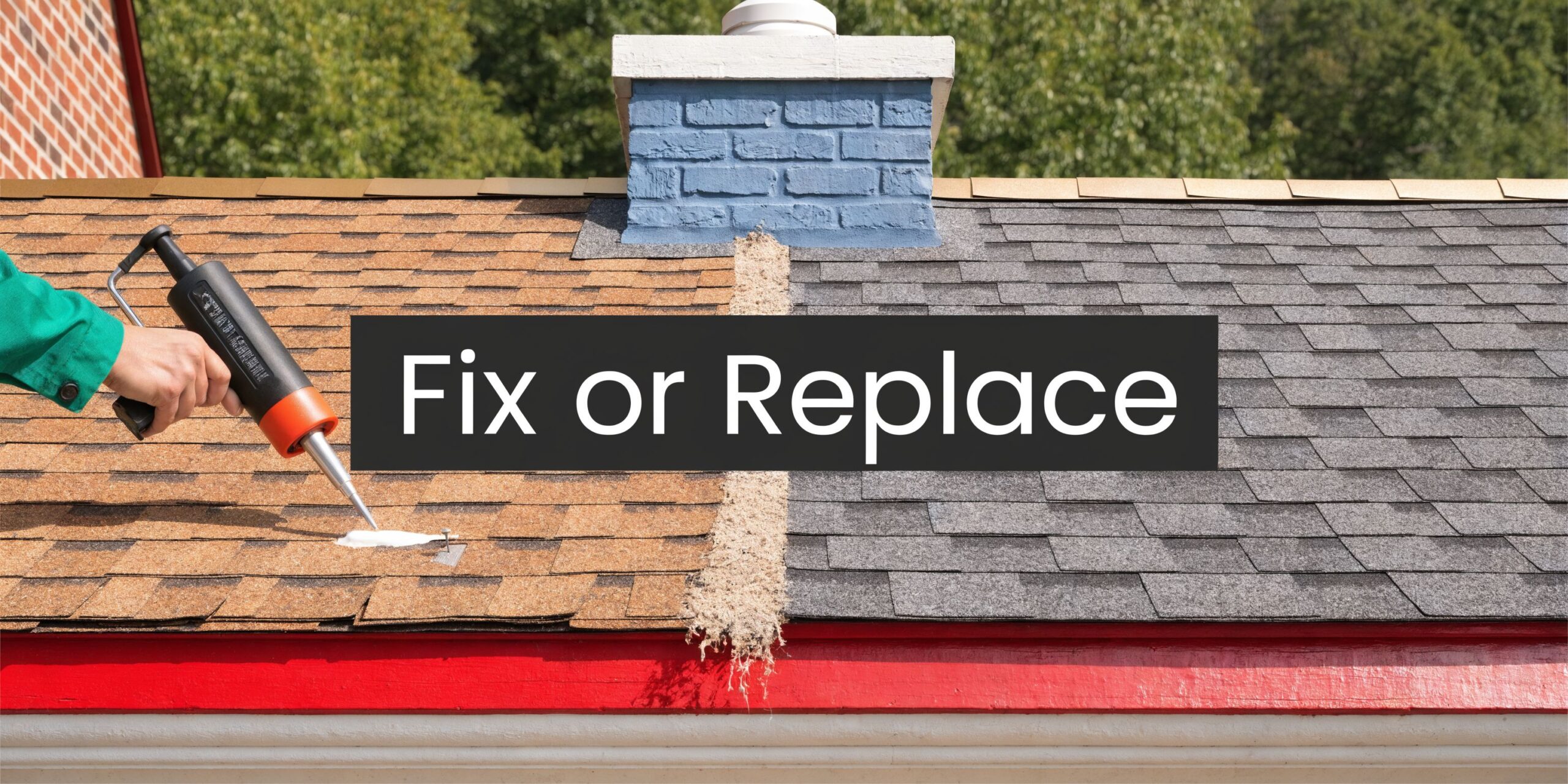
Not every damaged soffit or fascia section needs full replacement. Some do.
The smart decision comes down to scope, material condition, and whether the damage is isolated or part of a bigger roof-edge problem.
When repair usually makes sense
A localized repair is often enough when the issue is small and the surrounding material is still solid.
That may include:
- One cracked soffit panel after impact
- A short fascia section with limited surface damage
- Minor sealant failure at a joint
- Paint breakdown without structural rot behind it
In those cases, targeted work can restore the system without opening a larger exterior project.
When replacement is the better call
Replacement becomes more sensible when the visible damage is only part of the story.
That usually means recurring moisture, widespread softness, repeated animal entry, storm damage across multiple elevations, or a gutter system that has already stressed the fascia along a long run. If the trim is old and matching pieces are hard to source, patching one spot may leave you with a weak line of mismatched materials.
Replacement also becomes more attractive when roof work is happening at the same time. If contractors already need access to the roof edge, that’s often the cleanest time to correct damaged soffit and fascia properly.
The insurance side matters more than most homeowners expect
When storm damage is involved, the repair-versus-replace decision isn’t just about carpentry. It’s also about documentation.
The earlier Texas claims source noted that soffit and fascia repairs average $5,000-$15,000 and that many policyholders fail to recover those costs because they don’t prove functional impairment. That’s why random phone photos and a verbal description usually aren’t enough.
A stronger claim file includes:
- Wide photos showing the affected roof elevations
- Close-ups of cracks, dents, broken vent sections, or loose gutter attachment points
- Date notes tied to the storm event
- A professional inspection report that distinguishes cosmetic damage from structural or functional damage
- Context with roof damage, if the same event affected shingles, gutters, or other exterior components
Why bundled exterior claims are often more effective
If hail damaged shingles, metal components, gutters, and roof-edge trim in the same event, handling them together usually creates a clearer story.
That doesn’t guarantee approval, but it does help show the adjuster how the storm affected the full roof system. A cracked soffit vent means more when it’s documented alongside other roof-edge impacts. A loose gutter means more when the fascia behind it shows matching storm-related damage.
The strongest claim isn’t the loudest one. It’s the one that shows cause, location, and function clearly.
Homeowners who try to separate every exterior issue into isolated mini-projects often make the file harder to understand. A complete inspection tends to create a cleaner path.
Don’t let a “small trim issue” sit too long
At this point, people often lose money.
A minor roof-edge defect may start as a repair. If water keeps getting in, it can become replacement. If gutters stay loose, runoff can create bigger siding or foundation issues. If an animal gets into the attic through a failed soffit section, now you’re dealing with cleanup too.
The cheapest-looking option today isn’t always the least expensive outcome.
When to Call a Professional for Your Soffit and Fascia
Some roof-edge issues are simple to notice and hard to judge correctly.
You can spot peeling paint from the driveway. You can see a cracked soffit panel with binoculars. What you usually can’t confirm from the ground is whether the underlying wood is soft, whether the ventilation balance has been affected, or whether storm damage is likely to matter in an insurance claim.
A basic homeowner checklist
A few times a year, walk the perimeter and look up.
- Check for stains under eaves after heavy rain
- Look at gutter alignment along the fascia line
- Watch for pest traffic entering the same roof-edge area
- Notice fresh cracks or dents after hail
- Pay attention to peeling paint that keeps returning in one section
That level of monitoring helps you catch issues early.
Clear signs it’s time to bring in a pro
Call a professional when the problem involves height, storm damage, recurring moisture, or any sign that function may be affected.
Examples include:
- Two-story access or steep rooflines
- Soft or rotted wood
- Loose gutters attached to weak fascia
- Cracked vented soffit panels
- Repeated animal entry
- Any damage tied to a possible insurance claim
Insurance adds another layer. If you suspect water entry or coverage questions, it helps to understand how carriers often look at these events. This guide to homeowners insurance coverage for water damage gives useful context before you start conversations with adjusters or contractors.
Choosing the right contractor matters too, especially when soffit and fascia problems overlap with roofing, gutters, or storm documentation. This guide on how to choose a roofing contractor is a practical starting point for evaluating who should inspect the work.
A good inspection should leave you with answers, not guesses. You should know what’s damaged, whether it’s repairable, how it affects the house, and what needs to happen next.
If you’ve spotted cracked soffit, rotted fascia, loose gutters, or storm damage around your roofline, Hail King Professionals can help you sort out what’s cosmetic, what’s functional, and what should be documented for a claim. Their licensed and insured team serves Dallas-Fort Worth and East Texas with free, same-day inspections, code-compliant roof-edge solutions, and clear repair or replacement guidance built for Texas heat, humidity, and hail.