Is Flat Roof a Good Investment? What Every Property Owner Should Know
Flat roofs have surged in popularity across modern architecture, appearing on everything from sleek commercial buildings to contemporary residential homes. Their minimalist aesthetic and functional design appeal to property owners seeking both style and practicality. However, deciding whether a flat roof is the right investment for your property requires more than admiration for its clean lines.
This comprehensive guide breaks down the essential factors property owners must consider when evaluating flat roofing systems. From understanding material options and installation costs to navigating maintenance requirements and long-term value, this article equips you with the knowledge needed to make an informed decision. Whether you’re constructing a new building or replacing an existing roof, understanding these critical elements will help determine if a flat roof aligns with your property goals and budget.
Understanding the Basics of Flat Roofing Systems
Defining a Flat Roof
Despite their name, flat roofs aren’t completely level. These low-slope roofing systems feature a slight pitch designed to facilitate proper water drainage, preventing pooling that could compromise the structure. Unlike traditional pitched roofs that rely on gravity and steep angles to shed water quickly, flat roofs use strategic design elements like drains, scuppers, and gutters to manage moisture effectively.
Common Applications
Flat roofs dominate commercial and industrial construction due to their cost-effectiveness and space efficiency. Office buildings, warehouses, shopping centers, and manufacturing facilities frequently feature these systems because they maximize interior space and provide easy access for rooftop HVAC equipment. In residential settings, flat roofs have become increasingly popular in modern and contemporary home designs, offering unique architectural appeal and creating opportunities for rooftop decks and gardens.
Key Terminology to Know
Understanding basic flat roofing terminology helps property owners communicate effectively with contractors and make informed decisions. The membrane refers to the waterproof layer that protects the structure, while underlayment provides an additional protective barrier beneath the membrane. Flashing consists of metal or membrane strips that seal joints and transitions, preventing water infiltration at vulnerable points.
Exploring Flat Roof Material Options
Built-Up Roofing (BUR)
Built-Up Roofing represents one of the oldest and most reliable flat roofing systems available. This traditional approach layers multiple plies of asphalt-saturated felts or reinforcing fabrics with hot asphalt or coal tar, creating a redundant waterproofing system. The multi-layer construction provides exceptional durability and protection, with the top surface typically finished with gravel or a reflective coating to protect against UV radiation and physical damage.
Modified Bitumen Roofing
Modified bitumen roofing modernizes the traditional built-up roof concept by incorporating rubber or plastic polymer modifiers into the asphalt. These modifiers significantly enhance the material’s flexibility, elasticity, and temperature resistance, making it less prone to cracking in extreme weather conditions. Installation methods vary and include torch-applied, cold-applied, and self-adhering systems, each offering specific advantages depending on the project requirements and local building codes. For a closer look at project planning, see how Hail King approaches bitumen roofing in Dallas from the existing assembly through final detail checks.
Single-Ply Membranes (TPO, PVC, EPDM)
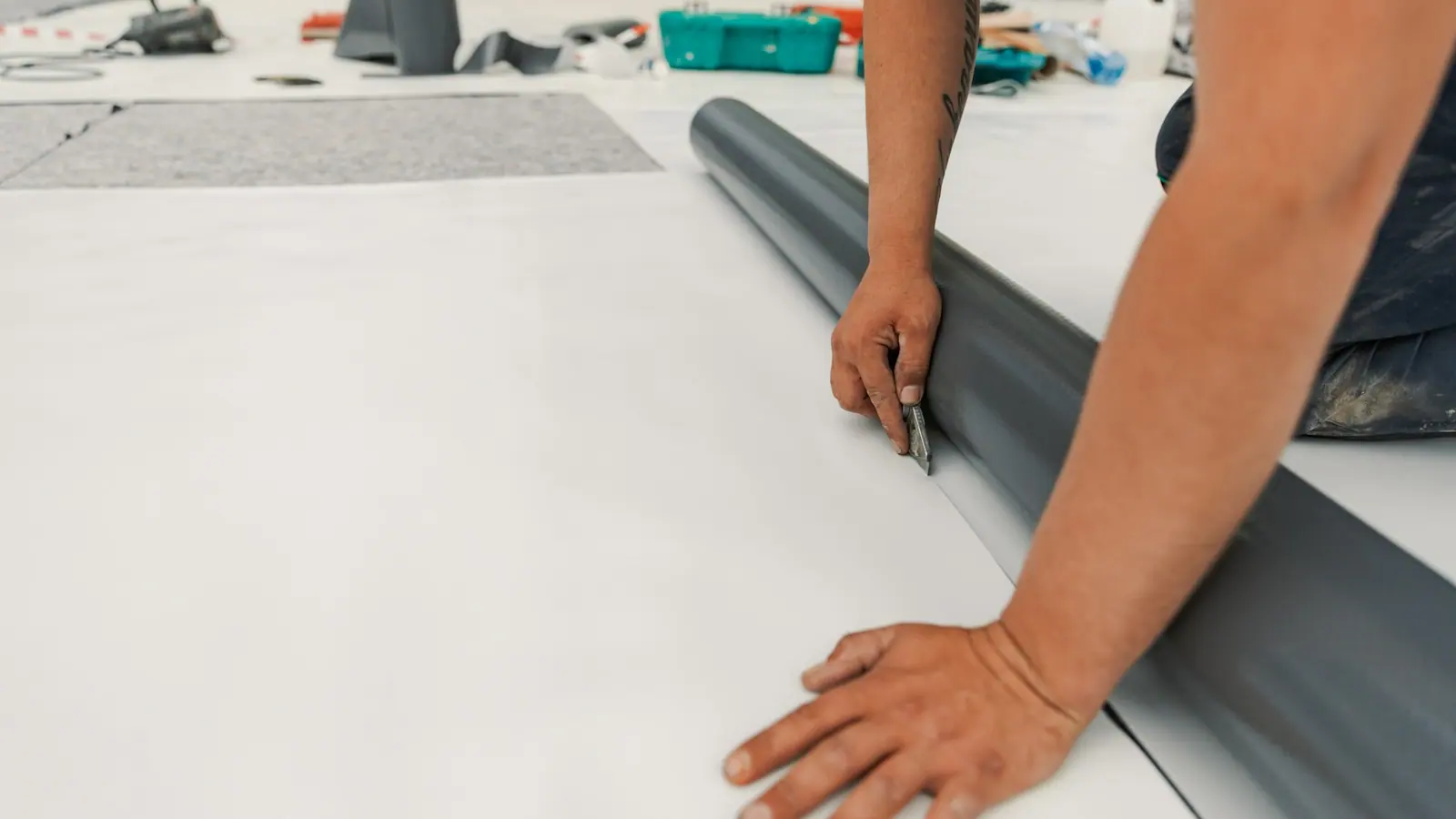
Single-ply membranes represent the modern standard in flat roofing technology, offering lightweight and durable solutions. TPO (Thermoplastic Polyolefin) provides UV resistance and heat-reflective properties. PVC roofing in Dallas uses heat-welded seams and may be considered for buildings with rooftop equipment or exposure to oils and greases. EPDM roofing in Dallas uses a flexible synthetic rubber membrane, with the assembly, seams, drainage, and rooftop traffic planned around the building.
The Financial Equation: Costs and Long-Term Value
Initial Installation Costs
The upfront investment for a flat roof varies significantly based on multiple factors. Material selection drives much of the cost variation, with basic EPDM systems typically representing the most economical option, while premium PVC or specialized systems command higher prices. Roof size directly impacts labor and material quantities, but economies of scale often reduce the per-square-foot cost on larger projects.
Long-Term Return on Investment (ROI)
A properly installed flat roof delivers value through multiple channels beyond its primary protective function. Energy-efficient membrane materials, particularly light-colored TPO and PVC, reflect solar radiation and can reduce cooling costs by 20-30% compared to dark, heat-absorbing surfaces. The usable space created by flat roofs adds functional square footage for equipment, outdoor amenities, or even revenue-generating installations like solar panels.
Factoring in Lifespan and Warranty
Different flat roofing materials offer varying lifespans that directly impact long-term value calculations. EPDM systems typically last 20-25 years with proper maintenance, while TPO and PVC membranes often reach 25-30 years. Built-up roofs can exceed 30 years when properly maintained and protected. Manufacturer warranties typically cover material defects for 10-30 years depending on the product tier, while workmanship warranties from qualified contractors protect against installation errors for periods ranging from 1-10 years.
Maintenance and Longevity: Protecting Your Investment
Routine Inspection Checklist
Regular inspections form the foundation of effective flat roof maintenance, identifying minor issues before they escalate into costly repairs. Property owners should examine the membrane surface for blisters, punctures, tears, or areas where the material has pulled away from the substrate. Ponding water—any pooling that remains more than 48 hours after rainfall—requires immediate attention, as it accelerates membrane deterioration and increases leak risk.
Common Repairs and Their Urgency
Flat roofs encounter predictable issues that property owners should address promptly to prevent extensive damage. Small punctures or tears in the membrane, often caused by foot traffic or falling debris, can typically be patched quickly and inexpensively if caught early. Seam separation occurs when the bonds between membrane sections weaken, allowing water infiltration—this requires immediate professional repair to prevent extensive water damage.
The Role of Professional Maintenance Plans
Scheduled maintenance programs from experienced roofing professionals like Hail King Pros extend roof lifespan significantly while reducing unexpected repair costs. Professional technicians identify emerging issues during their early stages, when repairs remain simple and affordable rather than waiting until problems cause visible interior damage. Regular maintenance visits include cleaning drainage systems, inspecting and resealing vulnerable areas, and documenting the roof’s condition over time.
Key Advantages of Choosing a Flat Roof
Maximizing Usable Space
Flat roofs transform otherwise wasted space into valuable functional areas that enhance property utility and appeal. Commercial buildings can install HVAC equipment, satellite dishes, and solar arrays on flat roofs without affecting the building’s aesthetic or requiring separate ground-level space. Residential properties benefit from the ability to create rooftop patios, gardens, or entertainment spaces that expand living areas without increasing the building footprint.
Energy Efficiency and Cost Savings
Modern flat roofing materials deliver impressive energy performance that translates directly into reduced utility costs. Light-colored single-ply membranes reflect up to 80% of solar radiation, significantly reducing heat transfer into the building and lowering air conditioning demands during summer months. Some TPO and PVC products earn ENERGY STAR® certification, qualifying properties for utility rebates and contributing to green building certifications like LEED.
Ease and Safety of Access
The low-slope design of flat roofs provides safer and more convenient access for inspections, maintenance, and repairs compared to steeply pitched alternatives. Technicians can walk across the roof surface without specialized safety equipment or scaffolding, reducing service costs and improving the thoroughness of inspections. This accessibility proves particularly valuable for commercial properties with rooftop equipment requiring regular service, as maintenance teams can reach HVAC units, exhaust fans, and other installations safely and efficiently.
Potential Challenges and How to Mitigate Them
Drainage and Ponding Water
Poor drainage represents the most common challenge facing flat roof systems, as standing water accelerates membrane deterioration and increases leak risk exponentially. Proper roof design incorporates adequate slope—typically a minimum of 1/4 inch per foot—toward drainage points, ensuring water flows off the surface rather than pooling. Strategic placement and sizing of drains, scuppers, and overflow systems prevent water accumulation even during heavy rainfall events.
Susceptibility to Leaks
Seams and flashing connections represent the most vulnerable points in any flat roofing system, as these transitions interrupt the continuous waterproof barrier. Professional installation techniques, including proper surface preparation, correct adhesive application, and meticulous seam welding or sealing, create watertight connections that withstand decades of weather exposure. Quality materials with proven track records reduce leak risk significantly compared to economy-grade alternatives.
Navigating Przectures and Foot Traffic
The membrane surface on flat roofs can suffer damage from foot traffic, dropped tools, or debris impact, particularly with thinner single-ply systems. Installing protective walkway pads along common traffic routes preserves the membrane in high-use areas while providing slip-resistant surfaces for safe access. Property owners should establish clear protocols limiting roof access to necessary maintenance and repair activities, preventing unnecessary wear from casual foot traffic.
Partnering with the Right Roofing Contractor
Verifying Credentials and Experience
The success of a flat roofing investment depends heavily on contractor expertise and professionalism. Property owners should verify that potential contractors hold current licenses for roofing work in their jurisdiction and carry adequate liability insurance and workers’ compensation coverage. Manufacturer certifications demonstrate that the contractor has received specific training on proper installation techniques for the selected roofing system.
Questions to Ask a Potential Roofer
Informed property owners ask specific questions that reveal a contractor’s expertise and approach to quality. Inquiring about their recommended material choices for the specific property and why those materials suit the application demonstrates their understanding of product performance characteristics. Questions about their installation process, quality control measures, and how they handle unexpected conditions during construction reveal their professionalism and attention to detail.
Why Specialized Expertise Matters
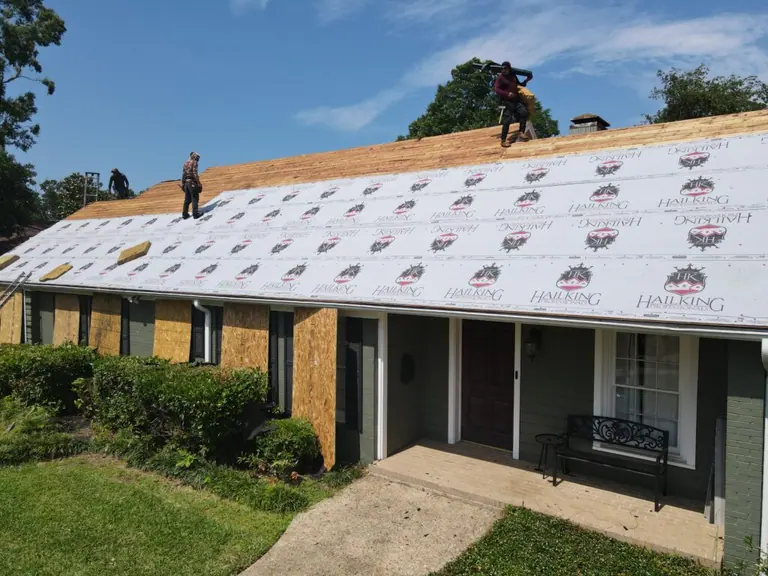
Flat roofing systems require specialized knowledge that general contractors or pitched-roof specialists may lack. Proper membrane installation demands precise techniques for seam welding, adhesive application, and flashing integration that differ fundamentally from shingle or tile installation methods. Understanding drainage design, insulation systems, and vapor barrier placement prevents common mistakes that compromise performance even when quality materials are used. Specialists like Hail King Pros bring focused expertise in flat roofing systems, staying current with evolving materials, installation techniques, and building codes specific to low-slope applications.
Making Your Flat Roof Decision with Confidence
Evaluating a flat roof as a potential investment requires balancing multiple factors—material options, upfront costs, maintenance requirements, and long-term benefits against the inherent challenges of low-slope systems. Property owners who understand these elements can make informed decisions that align with their building’s needs, budget constraints, and long-term property goals.
The advantages of flat roofing—usable space, energy efficiency, and accessibility—often outweigh the challenges when proper materials, professional installation, and regular maintenance converge. Success hinges on selecting appropriate materials for the specific climate and building use, partnering with experienced contractors who specialize in flat roofing systems, and committing to the proactive maintenance that protects the investment over decades.
Property owners ready to explore flat roofing options should schedule a professional consultation to receive a personalized assessment tailored to their specific property. Expert contractors can evaluate the building structure, discuss material options suited to local conditions, and provide accurate cost estimates that inform confident decision-making. Contact experienced professionals like Hail King Pros for honest advice and customized solutions that safeguard your property investment for years to come.
Hail King Pros
https://maps.app.goo.gl/NkHUXFd1ZvQidxhP8
1900 Industrial Blvd Ste 200, Colleyville, TX 76034, United States
(682) 235-2880
https://hailkingpros.com/