

You step outside after a North Texas storm, look up, and see what every Plano homeowner dreads. A few shingles are bent. Granules are washing into the gutter. Maybe there’s a water spot starting on the ceiling, or maybe everything looks mostly fine and that’s what makes it worse. Roof damage in this area often hides in plain sight.
That’s why a plano roof replacement usually starts long before crews show up with trailers and tear-off tools. It starts with sorting out what occurred, what the city requires, what your insurance company needs to see, and whether your roof has extra complications like solar panels. In Plano, those details matter because the mix of hail, wind, heat, and aging neighborhoods puts a lot of roofs at the point where patchwork stops making sense.
Your Guide to Navigating a Plano Roof Replacement
A common Plano scenario goes like this. A storm moves through overnight. The next morning, the fence has a few fresh marks, the patio is littered with leaves, and a neighbor mentions the hail was worse two streets over. You call a roofer because you want a straight answer, not a sales pitch.
That’s a smart instinct. In Plano, replacements are rising because the area gets frequent hailstorms and many homes are already at or past the 20 to 30 year asphalt shingle lifespan, with spring and fall standing out as peak seasons for inspections and replacement activity, according to local roofing demand reporting in Plano. When demand spikes, the biggest mistake homeowners make is moving too slowly on inspection, or moving too fast with the wrong contractor.
A roof replacement feels overwhelming when you lump everything together. It gets manageable when you treat it as a sequence. First, confirm the condition of the roof. Then document damage for insurance if a storm caused it. After that, choose materials that fit Plano weather, pull the right permits, schedule installation, and finish with cleanup and a close final walkthrough.
Practical rule: Don’t judge storm damage from the driveway alone. Hail can bruise shingles, loosen seals, and damage flashing without leaving obvious leaks right away.
Homeowners also underestimate how much service responsiveness matters in the roofing industry. During storm season, missed calls and slow callbacks can cost both contractors and homeowners time that matters. If your roof is exposed, every day of delay increases the chance that a repairable issue turns into interior damage, decking trouble, or an insurance headache.
The good news is that a replacement project follows a predictable path when it’s handled correctly. You don’t need to know every roofing term before you start. You do need to know what a proper inspection looks like, what corners low bidders cut, and why roofs with solar panels need a different plan than standard tear-off jobs.
What usually goes wrong
- Waiting for a leak: Damage often shows up on the roof surface before it reaches the ceiling.
- Taking the cheapest bid: Low numbers often leave out tear-off details, code items, or deck repairs.
- Skipping paperwork: Permits, photos, and insurance documentation are part of the job in Plano, not extras.
- Ignoring rooftop solar: Panels can’t be easily worked around without risk.
Handled the right way, a new roof does more than stop leaks. It restores weather protection, keeps the home insurable, and gives you a clean baseline for the next stretch of Texas storm seasons.
Starting Your Roof Project Inspection and Insurance
A typical Plano claim starts the same way. A storm rolls through at night, the yard is littered with small debris by morning, and there is no active leak inside. Homeowners assume they have time. Then the first contractor says the roof is fine, the second says it needs full replacement, and now the primary challenge is figuring out who documented the roof correctly.
That first inspection sets the tone for the whole job. If the photos are weak, the notes are vague, or the roofer skips key areas, the insurance side gets harder fast. On homes with solar, an incomplete inspection creates another problem. Panel layout, attachment points, and wire runs need to be identified before anyone talks scope, because roofing work under or around solar can create warranty trouble if the detach and reset plan is handled wrong.
What a real inspection should include
A proper roof inspection in Plano covers more than shingles. It should include the field of the roof, ridge, hips, valleys, vents, pipe boots, flashing, drip edge, chimney or wall transitions, gutters, soft decking areas, attic signs of moisture, and any collateral storm damage on metal surfaces.
The goal is simple. Separate cosmetic wear from storm damage, and separate repairable conditions from a roof that has too many failure points to patch with confidence.
An experienced roofer should document:
- Hail impact on shingles: bruising, fractured matting, displaced granules, and random hit patterns across multiple slopes
- Wind damage: creased tabs, broken seal strips, missing shingles, and lifted edges that will not reseal in Texas heat and wind cycles
- Flashing and penetration issues: pipe jacks, valleys, wall flashings, and exposed fasteners
- Deck concerns: spongy spots, sagging sections, and signs the wood may need replacement after tear-off
- Attic and interior clues: wet insulation, staining, mold smell, and fresh daylight around penetrations
- Solar-related conditions: panel coverage, mounting points, conduit paths, and any area hidden from direct roof inspection

If you want to prepare before the roofer arrives, review this roof inspection checklist template for storm damage. It helps you verify that the inspection includes photos, slope-by-slope notes, and damage at accessories, not just a quick opinion from the driveway.
What to document before you file
Document the property before cleanup changes the evidence. That means photos first, broom later.
Start outside. Take wide shots of each roof slope from the ground, then photograph gutters, downspouts, window screens, fence stain marks, soft metals, AC fins if visible, and anything else that shows recent impact. Inside the house, photograph ceiling stains, paint bubbling, attic moisture, and active drips if they are present.
Keep a short written timeline too. Note the storm date, when you first saw signs of damage, when the inspection happened, and whether temporary protection was installed. Boring records are the ones that hold up best when a carrier reviews the file.
How the insurance process usually works
File the claim once the inspection shows a legitimate storm-related issue worth reporting. Keep the first call factual and brief. Report the storm date if you know it, explain that roof damage was found, and request an adjuster inspection.
From there, the sequence is usually straightforward, as outlined in this Plano roof replacement timeline guide:
Open the claim
Give the carrier the basic facts and get the claim number.Send supporting documentation
Provide inspection photos, notes, and any interior damage images you have already gathered.Meet the adjuster at the property
Have your roofer there if possible. That keeps the discussion tied to actual roof conditions instead of follow-up emails and missing context.Review the scope line by line
Check for flashing, ventilation components, starter, ridge materials, and items that may need supplementing after tear-off.Address hidden conditions properly
Deck replacement, code items, and solar detach and reset details often do not show up fully until the roof is opened.
That last point matters in Plano. A carrier may approve the main roof work first, while solar handling, decking, or accessory items need separate documentation. Homeowners get into trouble when they assume the first scope is the final scope.
What to say, and what to avoid
Stay factual. Overstating damage can hurt your credibility. Downplaying it can do the same.
Use clear language like:
- “We had a recent storm and want the roof inspected for damage.”
- “A roofing inspection found storm-related issues.”
- “We are requesting an adjuster visit.”
Avoid statements that create problems later:
- “The whole roof is totaled,” unless that has been documented
- “There’s probably nothing wrong,” when there are visible signs of impact
- “My contractor said insurance will pay for everything,” because no roofer controls claim approval
Where homeowners get stuck
The usual failure points are predictable. They hire a contractor who does a fast inspection, they file with weak photos, or they forget to mention the home has solar until the job is already being scheduled.
Solar changes the replacement plan from day one. The panel system has to be inspected, documented, detached by the right party, stored correctly, and reset in coordination with the new roofing system. Handle that carelessly and you can end up with finger-pointing between the roofer, solar installer, and manufacturer if leaks or performance issues show up later.
Start with a thorough inspection. Keep the file organized. Ask who is responsible for every step, especially if panels are on the roof. That is how you keep an insurance claim from turning into a warranty mess.
Choosing Materials and Meeting Plano Building Codes
A Plano roof can look fine from the driveway and still be built wrong underneath. I see that on replacement jobs all the time. The shingle color gets all the attention, while the parts that decide whether the roof lasts through the next hail season are buried under the surface.
Start with code and system design. Then pick the finish material.
Plano replacement work usually involves permits and inspection requirements, and that affects more than paperwork. It affects whether damaged decking gets replaced, whether drip edge and flashing are brought up to current standards, and whether the crew is allowed to cover over problems that should have been exposed during tear-off. If a contractor wants to skip the permit conversation or start immediately without explaining inspection steps, slow the job down and ask more questions.
Roof-overs deserve the same caution. Leaving old roofing in place can hide soft decking, failed flashing, and ventilation problems. On older Plano homes, a full tear-off gives the crew one chance to see the wood, fix what is damaged, and rebuild the system correctly. It also matters for houses with panels. If solar is part of the plan, the roofing scope and the solar panel roof replacement process have to match from the start so no one is guessing about mount locations, flashing details, or warranty responsibility after the new roof is on.
What proper installation looks like
Materials fail early when the install is careless. In North Texas, the details below are what separate a clean replacement from a callback job:
- Starter shingles at the eaves and rakes: These help control wind uplift at the edges, where blow-offs usually start.
- Correct nail pattern: The manufacturer’s fastening pattern matters more than the sales pitch. High-wind areas and steeper slopes often need a tighter pattern.
- Metal flashing at valleys, walls, chimneys, and penetrations: Flashing should direct water out. Heavy beads of exposed sealant usually mean the metal work was weak.
- Underlayment matched to the roof design: Standard felt, synthetic underlayment, and ice-and-water style membranes do different jobs.
- Impact-rated shingles where the budget allows: In Plano, that upgrade is often worth discussing because hail is a repeating problem, not a rare event.
Class 4 shingles are the option homeowners ask about most. UL 2218 is the testing standard commonly referenced for impact resistance. That does not mean a roof becomes hail-proof, and it does not guarantee an insurance discount. It does mean the product passed a higher impact test than standard shingles, which is worth considering in DFW. The trade-off is price. Some homes benefit from the upgrade more than others, especially if the roof has a simple layout and the owner plans to stay put long enough to get value from it.
If a bid spends more time on color boards than on flashing details, underlayment, ventilation, and tear-off, the proposal is missing the parts that usually decide service life.
Plano Roofing Material Comparison
| Material | Average Cost (per sq. ft.) | Lifespan (Years) | Hail Resistance |
|---|---|---|---|
| Asphalt shingles | Costs vary by shingle grade, tear-off requirements, and roof complexity | Service life depends heavily on ventilation, install quality, and storm exposure | Good. Better with Class 4 impact-rated products |
| Metal roofing | Higher upfront cost in most cases, especially with trim-heavy roofs | Often longer-lasting than basic shingle systems when installed well | Strong impact performance, though cosmetic denting can still happen |
| Flat asphalt roll roofing | Lower material cost, but details and maintenance matter more | Shorter service life on problem roofs with poor drainage | Fair to moderate, depending on system and exposure |
How to choose between them
Asphalt shingles still fit the majority of Plano homes. They work with common neighborhood styles, they are easier to repair after isolated damage, and they fit more insurance scopes than premium systems do. For many homeowners, the smart move is not “cheapest shingle available.” It is a better shingle with the right underlayment and flashing package.
Metal roofing makes sense for owners who want a longer service life and are prepared to pay for skilled trim and penetration work. Metal is less forgiving than shingles when the installer misses a detail. Bad panel layout, sloppy fasteners, or weak flashing corrections are expensive later.
Low-slope sections need their own plan. A front porch, patio cover, or room addition should not be treated like the main steep-slope roof. Drainage path, seam layout, wall transitions, and penetration flashing decide whether that section stays dry.
Solar adds another filter to material choice. Mounts, flashing methods, and future service access need to be discussed before the contract is signed. A roof that is hard to detach and reset cleanly can cost more over the life of the home, even if the day-one price looks attractive.
Questions to ask before you sign
- What exact underlayment and shingle are you installing? Get product names, not “builder grade” or “standard.”
- Will the roof be fully torn off? Ask how decking repairs are handled if rotten or delaminated wood is found.
- How are valleys, pipe jacks, wall flashings, and chimney flashings being replaced? These are common leak points.
- Who is pulling the permit, and who meets the inspector? The answer should be clear.
- If the home has solar, who is responsible for detach-and-reset coordination and mount flashing details? That should be assigned in writing before work starts.
A good Plano roof replacement is built from the deck up. The right material matters, but code compliance, tear-off quality, flashing work, and solar coordination are what keep a new roof from becoming an expensive redo.
Reroofing a Home with Solar Panels in Plano
Solar changes the whole roof replacement plan. It doesn’t just add a scheduling step. It adds coordination, liability, electrical safety concerns, and warranty risk.
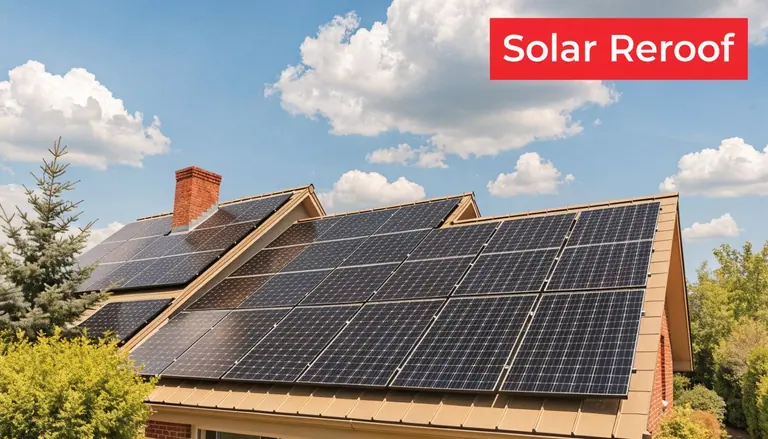
A lot of homeowners ask the same question: can’t the roofers just work around the panels? In most cases, that’s the wrong approach. Roofers need full access to the field of shingles, underlayment, flashing lines, and attachment points. Leaving panels in place blocks proper tear-off and makes it harder to inspect and rebuild the areas beneath the array.
That matters more now because solar is no longer unusual. A Plano roof replacement overview for solar-equipped homes notes that an estimated 15% of DFW reroofs now involve a solar detach-and-reset, and that standard roofing content often ignores the process even though it’s critical for preventing panel damage and warranty problems.
Why detach-and-reset is not optional
Trying to roof around solar creates problems fast:
- You can’t inspect everything underneath. That defeats the point of a full replacement.
- Panel frames and mounts get in the way of flashing work. Water entry around mounts is already a sensitive area.
- You risk damage to panels and wiring. Micro-cracks and connection issues might not show up immediately.
- Manufacturer or installer warranties can be affected. Unapproved handling creates disputes later.
Roof access and solar protection have to be planned together. If two trades aren’t talking to each other, the homeowner pays for it later.
A proper detach-and-reset process includes system shutdown, careful removal, labeled storage, protection of electrical components, reroofing, and then reinstallation with alignment and attachment checks. It also requires coordination with the solar provider or a qualified solar technician, especially when monitoring systems, inverters, or warranty documentation are involved.
For homeowners comparing options, this solar panel roof replacement guide lays out the detach-and-reset workflow and the planning points worth confirming before the roof project starts.
What to confirm before work begins
Ask these questions in writing:
- Who is removing and reinstalling the panels?
- Who documents the system condition before removal?
- How are mounts, penetrations, and flashing rebuilt during reroofing?
- Who confirms the system is operating properly after reset?
This visual walkthrough helps show why sequencing matters once solar enters the job.
Homeowners with solar should think of the roof and the array as one project with two technical scopes. If either side treats the other as an afterthought, the reroof gets more expensive, slower, and harder to warranty.
Budgeting Your Roof Replacement Costs and Financing
A Plano homeowner usually gets surprised on price in one of two places. The first is after tear-off, when bad decking or water-damaged trim shows up. The second is with solar, when the reroof number looked manageable until panel removal, storage, and reinstallation were priced separately. If those items are not discussed before contract signing, the budget was never complete.
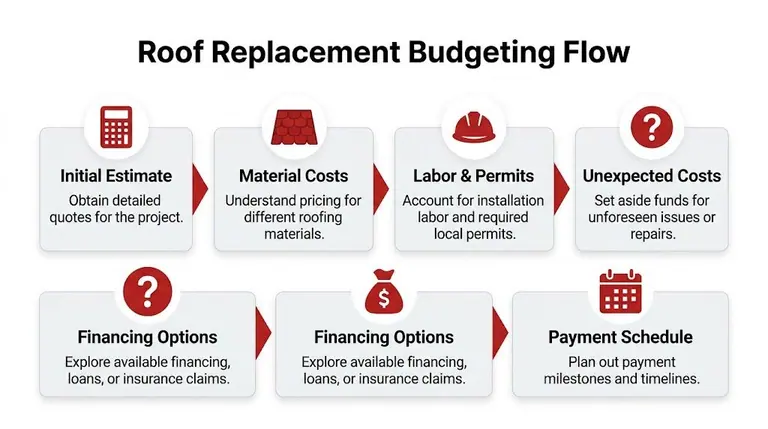
That is why I tell homeowners to stop comparing bids by total alone. Compare scope line by line. A lower number can still cost more if it skips permit handling, ventilation changes, dump fees, flashing replacement, or the detach-and-reset work for a solar array.
Where roof replacement budgets usually change
Most Plano reroof budgets start with the visible roof system. Then the hidden items show up.
Common cost drivers include:
- Tear-off and disposal: One layer is simpler. Multiple layers, brittle shingles, and heavy felt add labor and dump weight.
- Deck repair: You cannot price rotten decking exactly until the old roof is off.
- Flashing and penetrations: Chimneys, wall transitions, skylights, plumbing stacks, and dead valleys all raise labor.
- Ventilation corrections: Many older homes need intake or exhaust adjustments to meet current installation requirements.
- Permit and inspection costs: These are part of the actual job cost, not extras to be discovered late.
- Solar detach-and-reset: Panel removal, labeled storage, mount inspection, flashing rebuild, and reinstallation need their own scope.
- Accessory work: Gutters, fascia, chimney caps, and screen replacements often get pulled into the project after inspection.
Solar changes the budgeting conversation more than many homeowners expect. The roof crew and solar technician have to work in sequence, and that coordination affects labor scheduling, warranty paperwork, and how long the home is under construction. If the roofing contractor says, "We will figure out the panels later," treat that as a warning.
Build the budget around full scope, not the sales number
A clean roof proposal should show what is included, what is excluded, and what is allowed for if hidden damage is found. If it does not, ask for a revised scope before signing.
Use this structure:
- Base roof system: tear-off, underlayment, shingles or other roofing material, starter, ridge, flashing, ventilation, cleanup
- Code and city items: permits, inspections, and any required corrections tied to the replacement
- Contingency allowance: decking, fascia, or other concealed repairs found after tear-off
- Solar scope: removal, storage, reinstallation, electrical coordination, and post-reset system check
- Payment schedule: deposit, material timing, and final payment after punch list completion
I also recommend setting aside a contingency fund even if the roof looks straightforward from the ground. Mature Plano neighborhoods have plenty of homes where the outside looks fine and the decking around valleys, pipe boots, or old chimney flashing says otherwise.
Financing should support the right scope
Financing helps when the correct roof system costs more than the cash you want to put out this month. It also helps when storm work expands beyond shingles and starts pulling in gutters, paint, insulation, or solar labor.
Homeowners comparing payment structures can review these roof replacement financing options before choosing materials or signing a contract. Hail King Professionals also offers financing as part of its service mix for homeowners who want to spread out replacement costs without opening a home equity line.
The goal is simple. Finance the full job if needed, not an incomplete version of it. A cheaper roof that leaves old flashing in place or handles solar poorly is expensive work dressed up as savings.
One last practical point. Good contractors present scope clearly online before they ever get to your house. Clean proposal language, clear service pages, and accurate process explanations usually reflect an organized company. That same principle matters in roofing website design, and it matters even more when you are reviewing a replacement estimate tied to permits, weather risk, and solar coordination.
Choosing a Plano Roofer and Protecting Your Investment
A Plano homeowner usually finds out whether they hired the right roofer after the crew leaves. The shingles look new either way. The difference shows up later, when the first hard rain hits a valley, a pipe boot starts leaking, or a solar company says the roof warranty does not apply because the array was handled wrong during replacement.
That is why contractor selection matters as much as shingle selection. In this market, I would rather see a clear scope, a permit record, and a written solar plan than a fast start date and a low number on page one.
Contractor checklist for Plano homeowners

Use this list before signing anything:
- Local project experience: Ask how often they pull permits in Plano and how they handle city inspections.
- Insurance claim familiarity: They should document damage well, meet the adjuster professionally, and explain what insurance is paying for versus what you are paying for.
- Written scope detail: The estimate should list tear-off, underlayment, flashing, ventilation components, cleanup, disposal, and any decking replacement terms.
- Solar coordination if needed: If your home has panels, get the detach-and-reset scope in writing, including who is responsible for removal, storage, reinstallation, testing, and warranty documentation.
- Proof of insurance and manufacturer alignment: Verify both. Do not accept a verbal answer.
- Communication habits: Clear scheduling, prompt callbacks, and organized paperwork usually reflect how the job will be run.
Solar is where a lot of Plano replacements go sideways. Some roofers say they can "work around" the array to save money. That usually leaves old roofing under the panels or creates a dispute later over flashing, penetrations, and responsibility if the system underperforms after reinstall. If the roofer and solar company are not coordinated before tear-off day, the homeowner often ends up caught between two warranty departments.
A contractor's online presence can also tell you a lot. Good firms explain their services clearly, show real project details, and make it easy to verify what they do. This guide to roofing website design is useful because it shows the difference between a polished but empty site and one that helps homeowners evaluate a company properly.
After the install, protect what you paid for
Once the roof is on, keep the paperwork. That file matters.
Save the signed contract, change orders, permit record, final invoice, warranty documents, photos, and any solar detach-and-reset paperwork in one place. If there is ever a leak, a panel issue, or a warranty claim, those records shorten the argument.
Check the roof from the ground after major hail or wind events. Look for displaced shingles, bent metal, debris piled in valleys, or heavy granule loss in one concentrated area. Keep gutters clear so water drains off the roofline instead of backing up at the eaves.
If you have solar, monitor production after the panels go back on. Ask for confirmation that all roof penetrations were flashed and sealed correctly, and make sure the solar installer confirms the system is operating as expected. A new roof and a reinstalled array should come with a paper trail that protects both systems, not confusion about who touched what.
Plano Roof Replacement FAQ
How can I tell if I need a full replacement or just a repair?
You can’t answer that reliably from the ground. Obvious leaks matter, but hidden hail bruising, lifted shingles, damaged flashing, and aging materials can push the roof past the point where spot repairs make sense. Get a documented inspection before deciding.
Are impact-resistant shingles worth it in Plano?
For many homes, yes. Plano sits in a hail-prone part of North Texas, so a tougher shingle can make sense when you’re already replacing the roof. The exact product still matters, and so does the installation quality.
How long does a typical replacement take?
The full project often spans multiple steps, including inspection, insurance coordination, permitting, materials, installation, and cleanup. The roofing crew may be on-site for only a few days, but the total project window is longer because paperwork and scheduling happen around the install.
Can roofers just work around my solar panels?
Usually, they shouldn’t. A proper replacement needs full roof access under the array. Working around panels can leave old material in place, interfere with flashing, and create warranty or damage issues. A detach-and-reset plan is the safer route.
Why do bids vary so much?
Because scopes vary. One estimate may include permits, cleanup, underlayment upgrades, and flashing work. Another may leave those out and look cheaper at first glance. Compare line items, not just totals.
What should I ask at the final walkthrough?
Ask for photos of the completed roof, confirmation of permit closeout if applicable, cleanup verification, warranty paperwork, and an explanation of any areas that received decking repair or special flashing work.
If you're weighing a plano roof replacement and want a clear assessment before making a decision, Hail King Professionals offers roof inspections, replacement planning, storm-claim support, and solar detach-and-reset coordination for homeowners in DFW and East Texas.