

Hail Damage Roof
From Inspection to Restoration: Handling Hail Damage Roof
Hailstorms can strike with little warning, leaving homeowners uncertain about the integrity of their roof and anxious about potential hidden damage. The aftermath of a severe hailstorm is often confusing—some impacts are immediately visible, such as dented gutters or shattered skylights, while others remain concealed beneath the surface of your roofing system. These subtle forms of damage can quietly compromise your home’s protection, leading to leaks, mold growth, and costly structural repairs if left unaddressed.
Understanding how to properly assess and respond to hail damage is essential for protecting both your home and your financial investment. This guide walks you through the entire process of handling hail damage roof—from the initial inspection to the final restoration—empowering homeowners to take informed action and ensuring access to expert support like Hail King Pros every step of the way.
Understanding the Impact: How Hail Affects Different Roofing Materials
Asphalt Shingle Bruising and Granule Loss
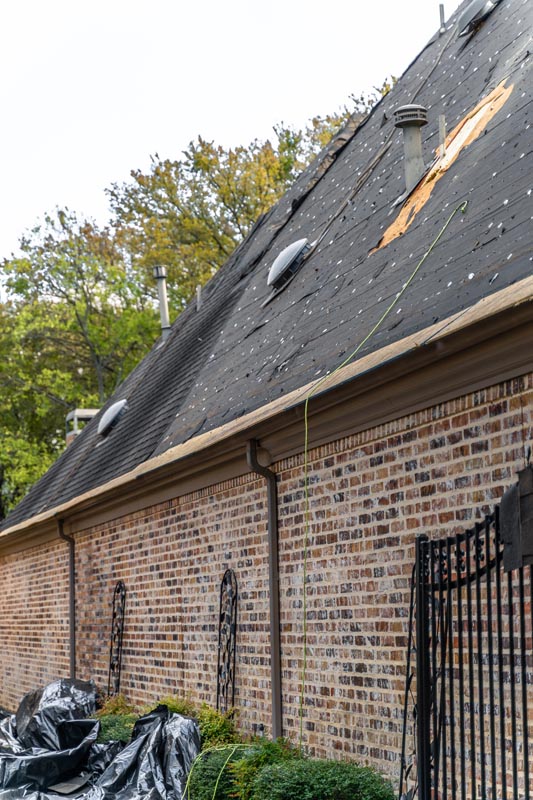
Hail impacts asphalt shingles by dislodging the protective granules that shield the underlying asphalt from UV rays and weathering. When hailstones strike, they create “bruises” or soft spots where the granules have been knocked loose, exposing the mat beneath. Over time, these compromised areas lose their ability to shed water effectively, accelerating deterioration and shortening the lifespan of the roof.
Metal Roof Denting and Coating Damage
Metal roofs display hail damage differently than asphalt shingles, often through cosmetic dents or scratches in the protective finish. While metal is inherently durable, the impact from large hailstones can compromise the coating that prevents rust and corrosion. Once this protective layer is breached, moisture can penetrate the metal surface, leading to oxidation and weakening the structural integrity of the panels.
Tile and Slate Cracking
Rigid roofing materials like tile and slate are particularly vulnerable to hail damage due to their brittle nature. Direct impacts from hailstones can cause these materials to crack or shatter entirely, creating immediate pathways for water intrusion. Unlike flexible materials that may absorb some impact, tile and slate offer little give, making them prone to fracturing even from moderate-sized hail. Homeowners with these roofing types must act quickly after a storm, as cracked tiles can allow moisture to seep into the underlayment and decking, leading to extensive interior damage if not promptly repaired.
The Critical First Step: Professional Roof Inspection
Risks of DIY Roof Inspections
Climbing onto a roof after a hailstorm poses significant safety risks, particularly when the structure may already be compromised. Homeowners without proper training or equipment can easily overlook subtle damage indicators, such as hairline cracks or minor granule displacement, that only become problematic months later. Additionally, walking on a damaged roof can inadvertently cause further harm to already weakened shingles or tiles.
Technology-Assisted Assessments
Modern roofing inspections have evolved to incorporate advanced technology, including drone imagery and high-resolution photography, to safely and accurately assess storm damage. These tools allow professionals to capture detailed views of the entire roof surface without the need to physically walk on potentially compromised areas. Drones can document damage patterns, measure affected zones, and provide visual evidence that is invaluable for insurance claims.
Documenting Damage for Claims
A thorough inspection report serves as the cornerstone of a successful insurance claim, providing documented evidence of all hail-related damage. This report should include high-quality photographs, detailed notes about the location and severity of each damaged area, and professional assessments of the underlying structure. Insurance companies rely on this documentation to determine the validity and scope of claims, making it essential that nothing is overlooked.
Navigating the Insurance Claims Process
Filing the Claim: Timing and Details
Prompt action following a hailstorm is critical when filing an insurance claim, as most policies include time limits for reporting damage. Homeowners should contact their insurance provider as soon as possible after discovering damage, providing specific details about the date of the storm and the extent of visible harm. Understanding policy coverage for wind and hail damage beforehand helps set realistic expectations about what repairs will be covered.
The Adjuster Meeting
The insurance adjuster plays a pivotal role in determining how much compensation a homeowner receives for roof repairs or roof replacement. Having a qualified roofing contractor present during the adjuster’s inspection ensures that all damage is properly identified and agreed upon, as adjusters may sometimes minimize the scope of necessary work. A knowledgeable contractor can advocate for the homeowner by pointing out subtle damage that might otherwise be overlooked and explaining why certain repairs are essential.
Understanding the Scope of Loss
The Scope of Loss document is a detailed breakdown provided by the insurance company that outlines all approved repairs and the associated costs. This document dictates exactly what work the insurance company will fund and serves as the blueprint for the restoration project. Homeowners should review this document carefully with their roofing contractor to ensure it accurately reflects all necessary repairs and that no critical items have been omitted.
Immediate Mitigation: Emergency Repairs and Tarping
Preventing Water Intrusion
Covering exposed areas of a damaged roof is an urgent priority to prevent water from entering the home and causing secondary damage. Even a small opening can allow rainwater to saturate insulation, compromise electrical systems, and promote mold growth within wall cavities and ceilings. The longer a roof remains exposed after a storm, the greater the risk of interior damage that may not be covered by insurance if deemed preventable.
Professional Tarping Services
Proper emergency tarping requires more than simply throwing a tarp over damaged areas; it involves securing the covering in a way that withstands subsequent weather events without causing additional harm. Professional tarping services use specialized techniques and materials to ensure tarps remain anchored even in high winds while avoiding further punctures or displacement of damaged roofing materials. Improperly installed tarps can flap in the wind, tear existing shingles, or allow water to pool underneath, negating their protective purpose.
Assessing Structural Safety
Beyond surface damage, hailstorms can compromise the underlying roof deck, creating potential safety hazards for occupants. Professional assessments evaluate whether the decking has been weakened, cracked, or punctured, ensuring that the home remains safe to inhabit during the repair process. If structural damage is detected, immediate measures may be necessary to shore up affected areas or temporarily relocate residents.
Restoration Options: Repair vs. Full Replacement
Evaluating the Extent of Damage
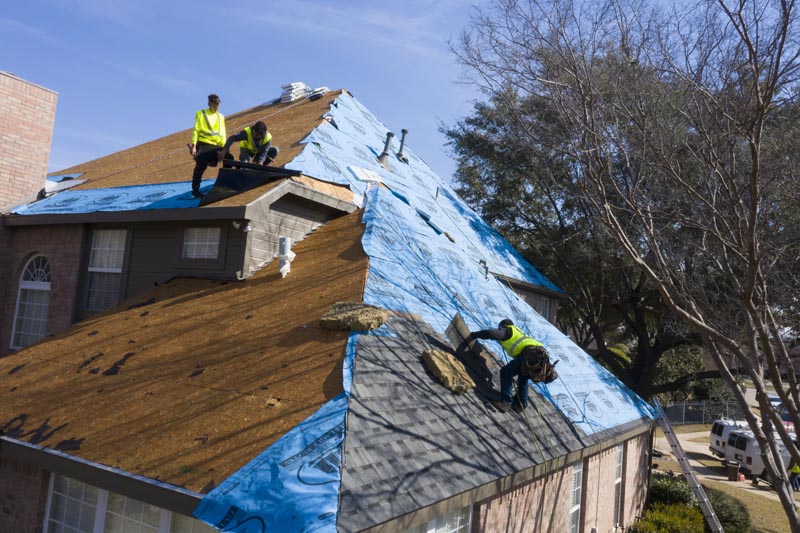
Determining whether to repair or replace a damaged roof depends on several factors, including the age of the existing system, the percentage of affected area, and the severity of the damage. If hail has impacted less than 30% of the roof and the system is relatively new, targeted repairs may be sufficient and cost-effective. However, older roofs with extensive damage often benefit from full replacement, as patchwork repairs on aged materials rarely provide long-term protection.
Matching Materials for Seamless Repairs
Finding matching shingles or tiles for partial roof repairs presents a significant challenge, particularly for discontinued product lines or materials that have weathered over time. Mismatched repairs can create an unsightly patchwork appearance that diminishes curb appeal and potentially affects property value. Experienced contractors maintain relationships with suppliers and utilize color-matching techniques to achieve the most seamless integration possible.
Upgrading During Replacement
A full roof replacement following hail damage presents an opportunity to upgrade to more resilient materials designed specifically for storm-prone regions. Class 4 impact-resistant shingles, for example, offer superior protection against future hail events and may qualify homeowners for insurance premium discounts. Stone-coated steel and modified bitumen systems provide enhanced durability while maintaining attractive appearances.
Choosing the Right Partner: The Hail King Pros Difference
Local Expertise and Community Trust
Selecting a local roofing contractor offers distinct advantages over hiring out-of-state “storm chasers” who arrive after severe weather and disappear once projects are completed. Local contractors like Hail King Pros understand regional weather patterns, building codes, and specific challenges faced by homeowners in hail-prone areas. They maintain established reputations within the community and remain available for warranty work, follow-up inspections, and future maintenance needs.
Comprehensive Project Management
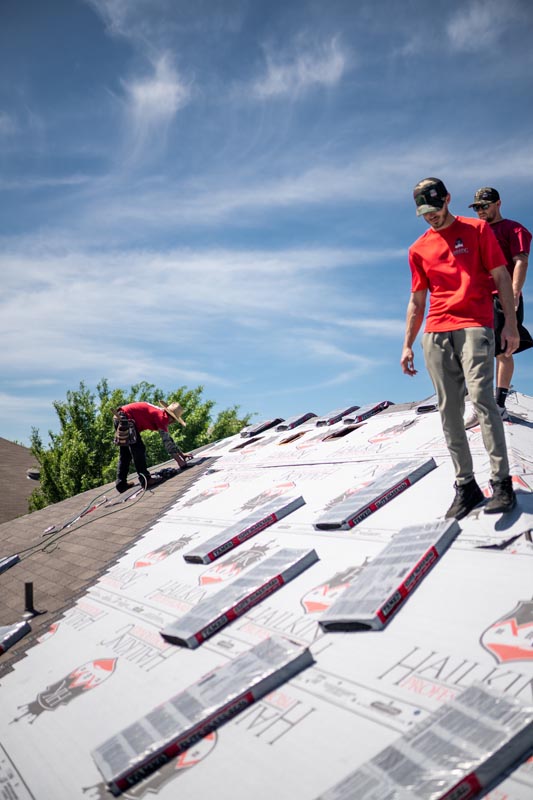
Managing a roof restoration project involves coordinating multiple phases, from initial damage assessment through insurance negotiations to final installation and cleanup. Hail King Pros handles every aspect of this complex process, serving as the homeowner’s advocate with insurance companies and ensuring that all work meets or exceeds industry standards. This comprehensive approach reduces stress and confusion for property owners who may be unfamiliar with insurance procedures or roofing terminology.
Warranty and Workmanship Guarantees
Strong warranties and workmanship guarantees demonstrate a contractor’s confidence in their materials and installation quality. Hail King Pros stands behind completed projects with comprehensive warranties that protect homeowners against defects and installation errors. These guarantees provide financial protection and assurance that any issues arising from the restoration work will be addressed promptly and professionally.
Future-Proofing Your Home Against Next Season’s Storms
Routine Maintenance Plans
Regular roof maintenance significantly reduces vulnerability to storm damage by addressing small issues before they become major problems. Scheduling annual or bi-annual inspections allows professionals to identify loose shingles, damaged flashing, or clogged gutters that could amplify hail damage during future storms. Simple preventive measures like trimming overhanging branches and clearing debris from roof valleys help maintain the system’s integrity and extend its lifespan.
Impact-Resistant Roofing Systems
Homeowners in hail-prone regions should seriously consider installing roofing systems specifically engineered to withstand severe weather. Impact-resistant materials undergo rigorous testing to ensure they can endure large hailstones without sustaining significant damage. These advanced systems not only provide superior protection but also frequently qualify for insurance discounts that offset their higher initial investment.
Knowing Your Policy Limits
Insurance policies evolve, and coverage limits may not keep pace with rising material costs and updated building codes. Homeowners should review their policies annually to ensure they maintain adequate coverage for full replacement costs rather than just actual cash value, which depreciates over time. Understanding deductibles, code upgrade coverage, and any exclusions prevents unpleasant surprises when filing claims.
Protecting Your Investment Starts Now
The journey from discovering hail damage to roofs to completing a professional restoration requires swift action, informed decisions, and trusted expertise. Delaying inspections or repairs transforms minor issues into major disasters, exponentially increasing both the complexity and cost of necessary work. Homeowners who act promptly after storms and partner with qualified local contractors protect their properties, preserve their investments, and gain peace of mind knowing their homes are secure.
Don’t wait for the next storm to test your roof’s integrity. If there’s any suspicion of hail damage or simply a desire for confidence in your roof’s condition, contact Hail King Pros today for a complimentary professional inspection and expert guidance on protecting your home for years to come.
Hail King Pros
https://maps.app.goo.gl/NkHUXFd1ZvQidxhP8
1900 Industrial Blvd Ste 200, Colleyville, TX 76034, United States
(682) 235-2880
https://hailkingpros.com/