
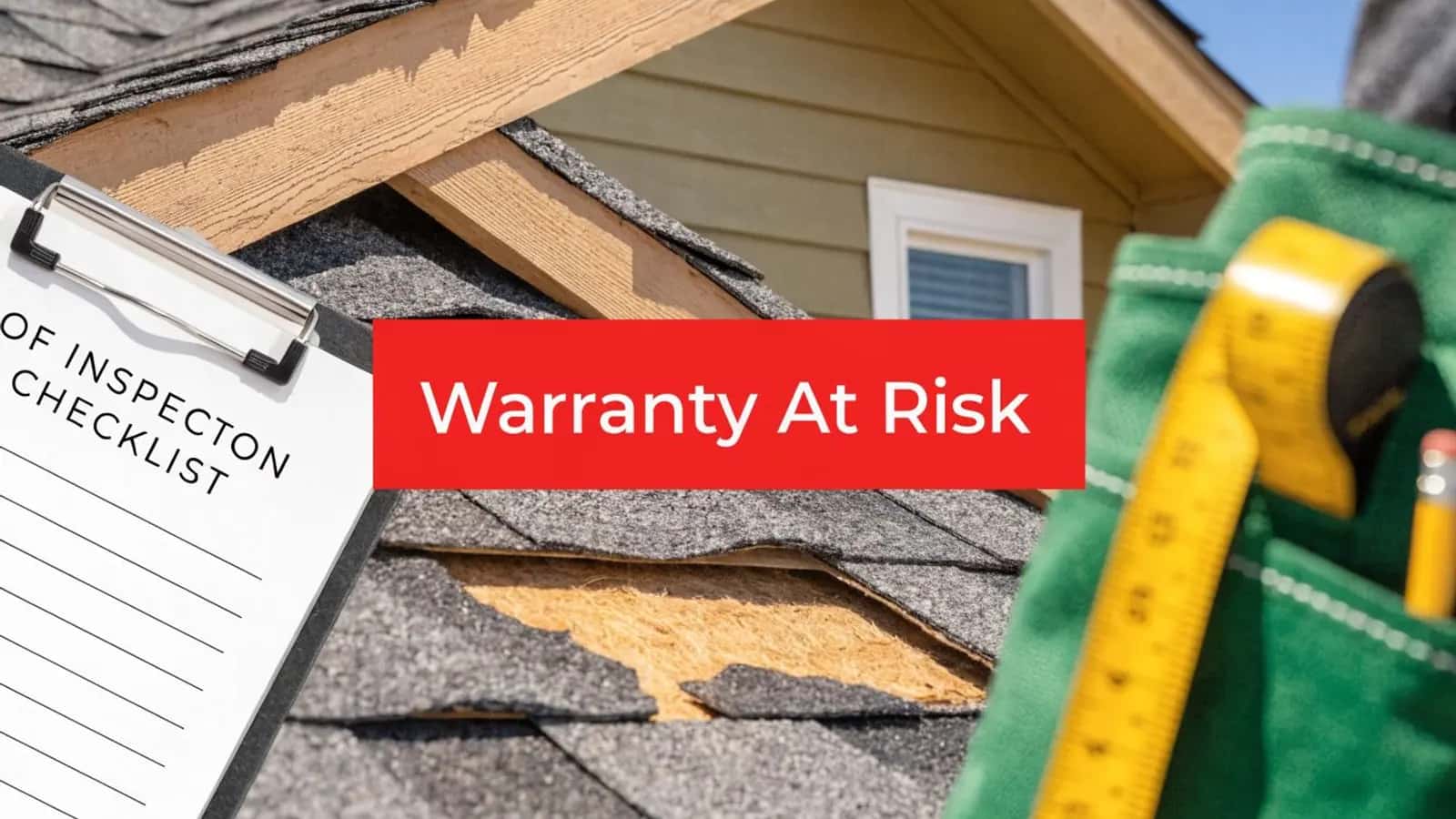
You sign the contract, see “30-year warranty” in the paperwork, and exhale. That’s normal. Most homeowners assume the hard part is over once the new roof is on.
Then a Texas hailstorm rolls through, a leak shows up months later, or a solar company touches the roof during a panel install. Suddenly the warranty that looked solid on paper is being judged line by line.
Your 30-Year Roof Warranty Might Be Worthless
A roof warranty sounds like peace of mind. In practice, it’s a contract with conditions. If the roof system wasn’t installed the way the manufacturer required, or if someone later altered it the wrong way, that “30-year” coverage may not help when you need it.
That catches a lot of North Texas homeowners off guard. In DFW, roofs deal with hail, punishing summer heat, high wind, and big temperature swings. Those conditions expose shortcuts fast. A roof that looked fine on day one can start showing problems once the weather tests every seam, nail line, vent, and flashing detail.
A good warranty still matters. But what matters more is whether the roof was installed and maintained in a way that keeps the warranty alive. If you’re comparing options, this overview of a GAF guarantee from J&M Gutter Tech is useful because it shows how manufacturer coverage depends on using the right system and approved workmanship.
The other part homeowners miss is lifespan versus coverage. A roof can be sold with a long warranty and still fail early if the job was handled badly. If you want the bigger picture on durability, this guide on how long a new roof lasts is worth reading alongside your warranty paperwork.
A warranty doesn’t replace proper installation. It assumes proper installation already happened.
That’s the heart of what voids a roof warranty. Most denials don’t happen because the manufacturer found a loophole. They happen because the roof no longer matches the conditions required for coverage.
7 Common Traps That Can Void Your Warranty
Most warranty problems don’t start with a dramatic failure. They start with one shortcut, one bad repair, or one third-party trade cutting into the roof without understanding the system underneath.
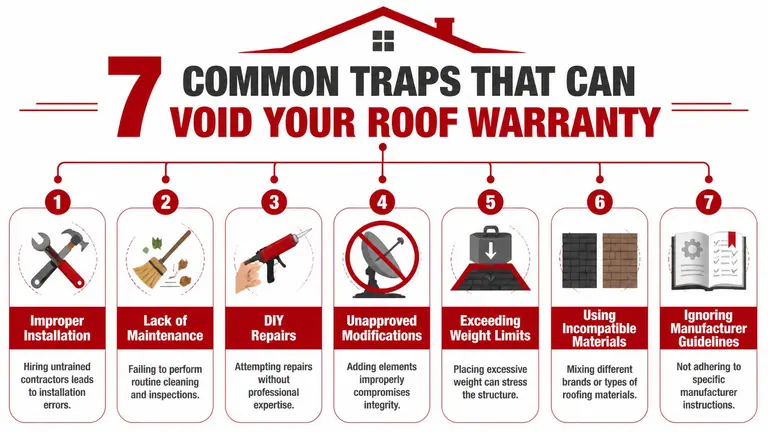
Trap 1 Improper installation
This is the biggest one. Improper installation is the leading cause of roof warranty voidance, and industry data cited here says up to 70% of warranty claims are denied due to installation defects.
That tracks with what roofers see in the field. Wrong nail placement, skipped underlayment details, bad flashing work, or crews ignoring the manufacturer’s instructions can all turn a valid-looking roof into a denied claim. On an asphalt shingle roof, that often doesn’t show up until wind lifts shingles or water finds a path around a penetration.
Trap 2 DIY repairs
A tube of caulk from the hardware store can create a much bigger problem than the leak you were trying to stop. Homeowners usually mean well, but a patch done with the wrong sealant or in the wrong location can be treated as tampering.
If you’re tempted to climb up and fix a small issue yourself, read this first on do-it-yourself roof repairs. Most small roof problems are still cheaper than a voided warranty and hidden deck damage.
Practical rule: If the repair changes flashing, shingles, penetrations, or sealants, treat it as warranty-sensitive work.
Trap 3 Unapproved roof modifications
This trap hits DFW homes all the time. Solar panels, satellite dishes, added vents, skylights, holiday-light anchors, and even some gutter or siding work can affect the roof if someone drills, fastens, or pries where they shouldn’t.
The problem isn’t the accessory itself. The problem is unauthorized penetrations and poor re-flashing. Once another trade alters the roof system, the manufacturer may argue the failure came from that modification, not from the roofing material.
Trap 4 Poor attic ventilation
Many homeowners think ventilation is only about comfort. It isn’t. It directly affects the roof system. If the attic traps heat and moisture, the shingles can age from the underside.
Manufacturers pay attention to this because it changes the environment the roof is operating in. In Texas heat, an attic that runs too hot can cook a roof long before the paperwork says it should be wearing out.
Trap 5 Neglect and deferred maintenance
Warranties don’t cover simple neglect. If leaves pile up, gutters back up, branches scrape the roof, or a small storm issue sits too long, the damage can spread into something the manufacturer won’t own.
This matters after hail too. A few displaced shingles or bent flashing may look minor from the driveway, but if water gets in and the damage grows, the claim gets harder to defend.
Trap 6 Mixing incompatible materials
Not every shingle, starter, underlayment, sealant, and flashing product plays well together. Some warranties require approved combinations, especially for stronger system coverage.
A patch with leftover materials from another roof, or a service call where someone grabs whatever is on the truck, can create a mismatch that causes performance issues later. The leak may show up at one component, but the warranty review often looks at the whole assembly.
Trap 7 Pressure washing and rough foot traffic
Asphalt shingles aren’t built for aggressive cleaning. Pressure washing can strip granules and shorten the roof’s useful life. Foot traffic can also crack, scuff, or loosen shingles if the person walking the roof doesn’t know how to move on it properly.
That’s why roof access should be limited to trained people. “It was just a quick look” has turned into a lot of expensive repair conversations.
How to Actively Protect Your Roof Warranty Coverage
The good news is most warranty problems are preventable. You don’t need to memorize every page of the manufacturer booklet. You need a simple routine and the discipline to treat the roof like a system, not just a layer of shingles.
Keep every document
Save the contract, invoice, product information, permit records if applicable, inspection notes, and any registration paperwork. If a storm hits years later, those documents help show what was installed and who installed it.
Photos matter too. Keep before-and-after photos from installation, repairs, and storm events. A clean paper trail makes claims easier and arguments shorter.
Verify ventilation before problems start
Poor attic ventilation can raise attic temperatures by 30-50°F, shortening a 30-year shingle's lifespan to just 10-15 years, and this roofing guidance explains that failure to meet the IRC code’s 1:150 ventilation ratio is a common reason claims get denied.
In plain terms, heat and moisture can bake the roof from the inside out. In DFW summers, that’s not a technicality. It’s one of the first things I’d want checked on any roof with premature aging, curling shingles, or repeated repair history.
Use professional inspections as documentation
After a hailstorm, after any roof work, and on a regular basis, get the roof inspected by someone who understands both storm damage and manufacturer-sensitive details. A strong inspection report can catch small problems before they become denial language in a warranty file.
Keep a dated record of inspections, maintenance, and repairs, along with the contractor’s findings and invoices.
Good documentation doesn’t create coverage, but it can preserve it.
Roof Warranty Preservation Checklist
| Action (Do This) | Mistake (Avoid This) |
|---|---|
| Keep contracts, receipts, product labels, and inspection reports | Tossing paperwork after installation |
| Confirm the installer follows manufacturer requirements | Assuming any roofer automatically protects the warranty |
| Check attic ventilation and airflow | Ignoring heat and moisture in the attic |
| Schedule inspections after hail and major wind events | Waiting until stains appear on the ceiling |
| Approve only manufacturer-compatible repair materials | Letting a handyman use whatever sealant or shingle is available |
| Ask before adding solar, skylights, or other penetrations | Letting another trade drill into the roof without coordination |
Know what your warranty actually covers
A manufacturer warranty and a workmanship warranty are not the same thing. One generally addresses material defects. The other speaks to installation quality, and often only if the work was done by the right contractor under the right program.
That’s why homeowners should ask one direct question before signing anything: “If there’s a leak in two years, who is responsible for proving whether it’s a material issue or an installation issue?”
What to Do After Hail and Storm Damage in Texas
When a North Texas storm rolls through, the first few decisions matter. Homeowners often make things harder by climbing on the roof, calling random storm chasers, or waiting too long because the damage doesn’t look severe from the yard.
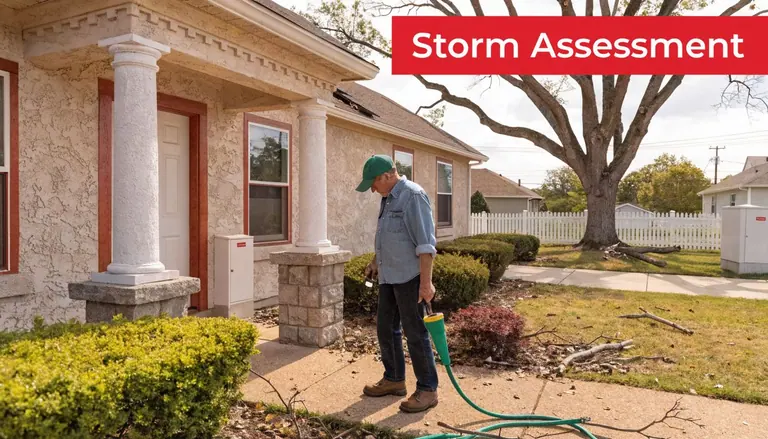
Start from the ground
Walk the property safely. Look for dented metal, displaced shingles, granules in downspouts, torn screens, bent gutters, and debris impact around soft metals and roof edges.
Don’t get on the roof yourself unless there’s an immediate safety issue and you’re equipped to do it. Storm-damaged shingles can be slick, loose, or brittle, especially after heat and UV exposure.
Document first, then get a professional inspection
Take clear photos from the ground. Capture every elevation of the house, the fence line, outdoor equipment, gutters, windows, and anything else the storm hit. Those surrounding signs often help tell the story of what happened on the roof.
Then get a professional roof inspection before the record gets muddy. The point is to understand whether you’re dealing with cosmetic marks, repairable damage, or a system-wide problem that affects both insurance and warranty concerns.
After hail, speed matters. So does accuracy. Fast guesses are less useful than a documented inspection.
A short video can help you understand what a proper storm review looks like before you make calls or sign anything.
Avoid the common post-storm mistakes
After a storm, these choices create the most trouble:
- Letting temporary fixes become permanent: Tarping has its place, but a temporary patch shouldn’t sit there for months.
- Using whoever knocked first: Storm-season sales crews don’t always know local code expectations or manufacturer details.
- Forgetting about added equipment: Solar mounts, satellite dishes, and other roof penetrations need to be inspected too.
- Losing the timeline: If damage worsens because nothing was done, warranty and insurance arguments get harder.
In Texas, hail doesn’t just bruise shingles. It exposes weak flashing, poor nailing, bad ventilation setups, and sloppy penetrations. Storms reveal old mistakes. They don’t create all of them.
The Solar Panel Complication on Texas Roofs
Solar doesn’t automatically void a roof warranty. Bad solar work can.
That distinction matters because many Texas homeowners have been told two extremes. One side says solar is harmless no matter how it’s installed. The other says once panels go on the roof, the warranty is basically dead. Neither view is reliable.
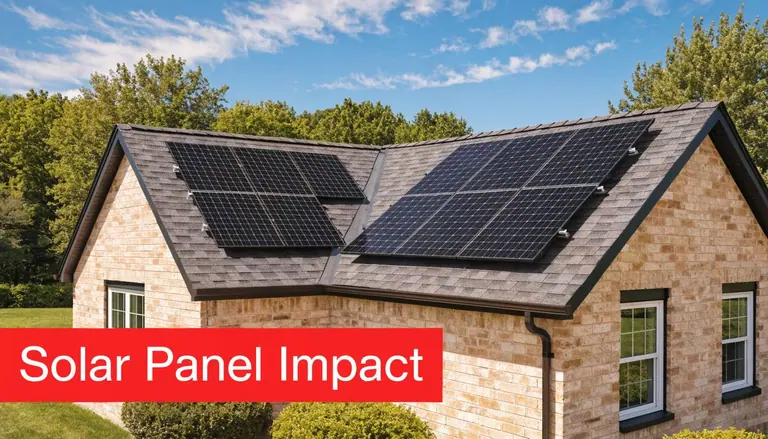
Where the conflict starts
Solar racks need attachment points. Attachment points mean penetrations, flashing details, and weight distribution. If the installer cuts corners, uses the wrong mounting hardware, skips proper re-flashing, or places mounts without respecting the roof system, that can create leaks and warranty trouble.
The issue gets worse after hail. A 2025 Solar Energy Industries Association report notes that 15% of U.S. residential solar claims are denied due to roofing conflicts, with Texas leading at 22%, and that summary also notes that many homeowners only learn about the conflict after hail damage, when the panels make inspection harder and improper installation is uncovered.
What works better
The right method is professional solar detach-and-reset during reroofing or major roof repair. That means the solar equipment is carefully removed, the roof work is completed to code, and the mounts are properly reinstalled and re-flashed so the roof system remains intact.
That approach solves the main problem, which is coordination. Roofers, solar installers, and homeowners often treat the roof and the solar array as separate jobs. They aren’t separate. On a finished home, they’re one assembly sharing the same weather exposure.
What homeowners should ask before any solar-related roof work
Ask direct questions and get the answers in writing:
- Who handles panel removal and reset: Don’t assume the reroof crew or the solar crew will coordinate automatically.
- How will penetrations be flashed after reinstall: “We’ll seal it” is not a real answer.
- What happens to the roof warranty after detach and reset: The answer should be tied to approved methods and documented work.
- Can the roof be fully inspected once panels are off: In hail country, this matters.
Solar is not the problem. Uncoordinated trades on a storm-exposed Texas roof are the problem.
If you have rooftop solar, warranty-safe reroofing is possible. It just has to be planned correctly from the beginning.
Choose a DFW Roofing Partner Who Protects Your Investment
By the time a warranty dispute starts, the most important decisions have already been made. Who installed the roof. Whether the attic was ventilated properly. Whether another trade cut into the system. Whether storm damage was documented quickly. Whether solar work was coordinated or improvised.
That’s why the right roofing partner matters long before a claim. Credentials aren’t marketing language. They’re part of the evidence that the roof was installed and serviced the way the manufacturer expects.
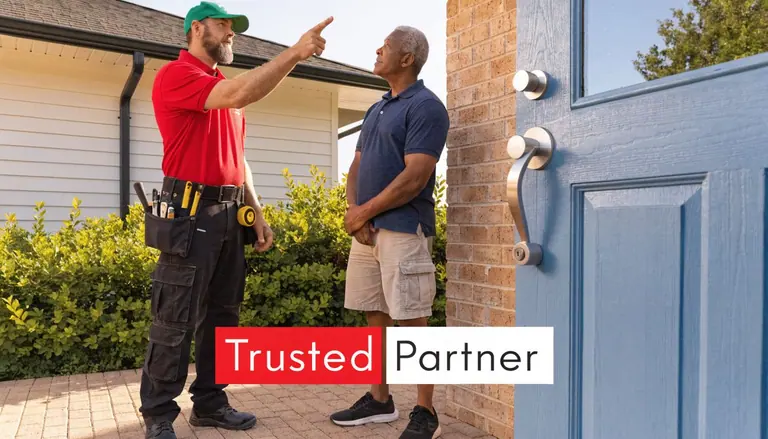
In DFW and East Texas, that also means choosing a team that understands local storm patterns, hail exposure, steep summer attic temperatures, and the extra complications that come with solar-equipped homes. A generic roofer may be able to install shingles. A strong local contractor knows how warranty risk shows up in this market.
What to look for
Some signs of a better partner are simple:
- Licensed and insured operations: Basic, but essential.
- Manufacturer-aligned installation practices: The roof should be built as a system, not pieced together.
- Clear storm inspection process: Hail documentation needs to be organized and timely.
- Experience with impact-resistant upgrades: Especially relevant in hail-prone neighborhoods.
- Ability to handle solar detach-and-reset: This is no longer a niche issue in North Texas.
A roof warranty is only as useful as the workmanship, documentation, and decisions behind it. If you want to know what voids a roof warranty, start with this principle: most problems happen when homeowners let the cheapest bid, the fastest patch, or the wrong trade take control of the roof.
Choose the contractor who protects the paperwork by protecting the roof itself.
If you want a local team to evaluate your roof before a small issue turns into a denied claim, Hail King Professionals serves Dallas-Fort Worth and East Texas with free, same-day inspections, storm damage expertise, Class 4 impact-resistant roofing options, and solar panel detach-and-reset for warranty-sensitive reroofing. It’s a practical first step if you want clear answers about your roof’s condition, your next move after hail, and how to keep your investment protected.