


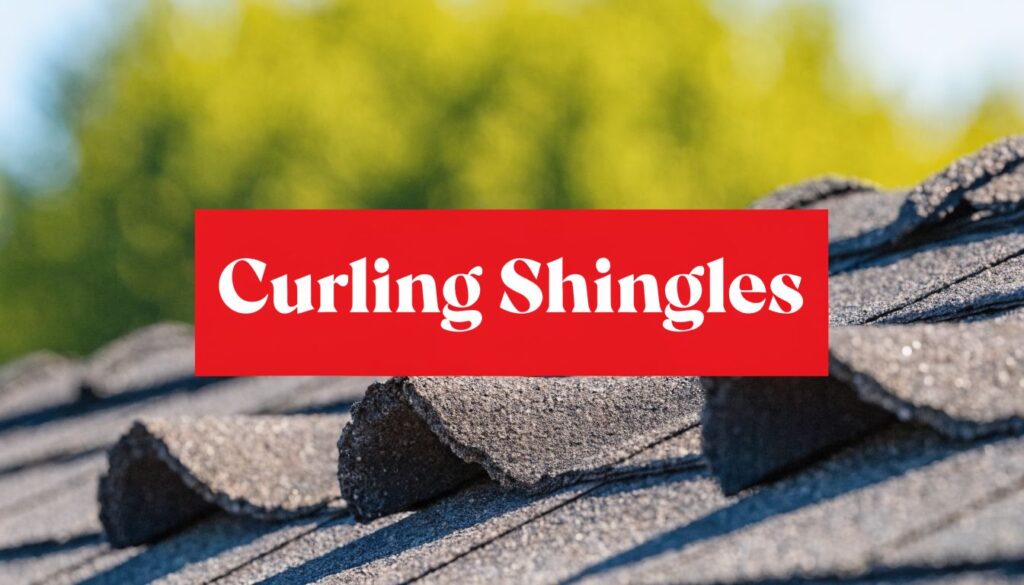
What Causes Roof Shingles to Curl? Texas Solutions
You’re probably here because you looked up at your roof and noticed something doesn’t sit flat anymore. Maybe a few shingle corners are lifting. Maybe one slope looks wavy in the afternoon sun. Maybe you saw bits of granules in the gutter and thought, “Is this normal, or is my roof starting to fail?”
That concern is valid. Curling shingles are one of those problems homeowners often spot late, not because they ignored the roof, but because the change starts small. From the ground, it can look cosmetic at first. In Texas, it often isn’t. Heat, humidity, hail, and sudden weather swings put roofing materials under stress year-round, and curling is one of the clearest signs that something in the system isn’t working the way it should.
I’ve spent a lot of time explaining this issue to Dallas-area homeowners, and the same question comes up over and over: what causes roof shingles to curl, and do I need to panic? Usually, the answer is no, you don’t need to panic. But you do need to understand what you’re looking at. Some curling points to old age. Some points to trapped heat and moisture. Some means the roof can be repaired. Some means repairs will only delay the bigger bill.
The good news is that curling shingles follow patterns. Once you know those patterns, the roof starts telling you a more honest story.
That Uneven Look Understanding Your Curling Shingles
A homeowner in North Texas usually notices curling one of three ways. They pull into the driveway and see a roofline that looks slightly rougher than it used to. They spot a few lifted tabs while hanging lights or cleaning up after a storm. Or they find water staining inside and only then start looking up.
Curled shingles are often assumed to mean wind got underneath them. Sometimes wind plays a role, especially after storms. But curling usually starts before the wind shows up. The roof has already been under stress, and the shingle is showing you the result.
Think of a shingle like a protective skin on top of your house. It’s supposed to lie flat, overlap the next course below it, and move water downslope. When it bends upward or inward, that water-shedding design starts to weaken. The opening may be small, but Texas weather doesn’t need much space. Heat bakes exposed edges. Humid air adds stress from below. Hail can hit a brittle shingle harder than one that still has flexibility.
Curling shingles aren’t always an emergency on day one. They are always a warning.
The key is not to treat every curled shingle the same. A newer roof with isolated distortion raises one set of questions. An older roof with widespread curling raises another. If you can tell what type of curling you have and what conditions are feeding it, your next decision gets much easier.
The Two Faces of Curling Shingles Clawing vs Cupping
Before you can judge the cause, you need to know what kind of curl you’re seeing. Most asphalt shingle curling falls into two visual patterns: clawing and cupping.
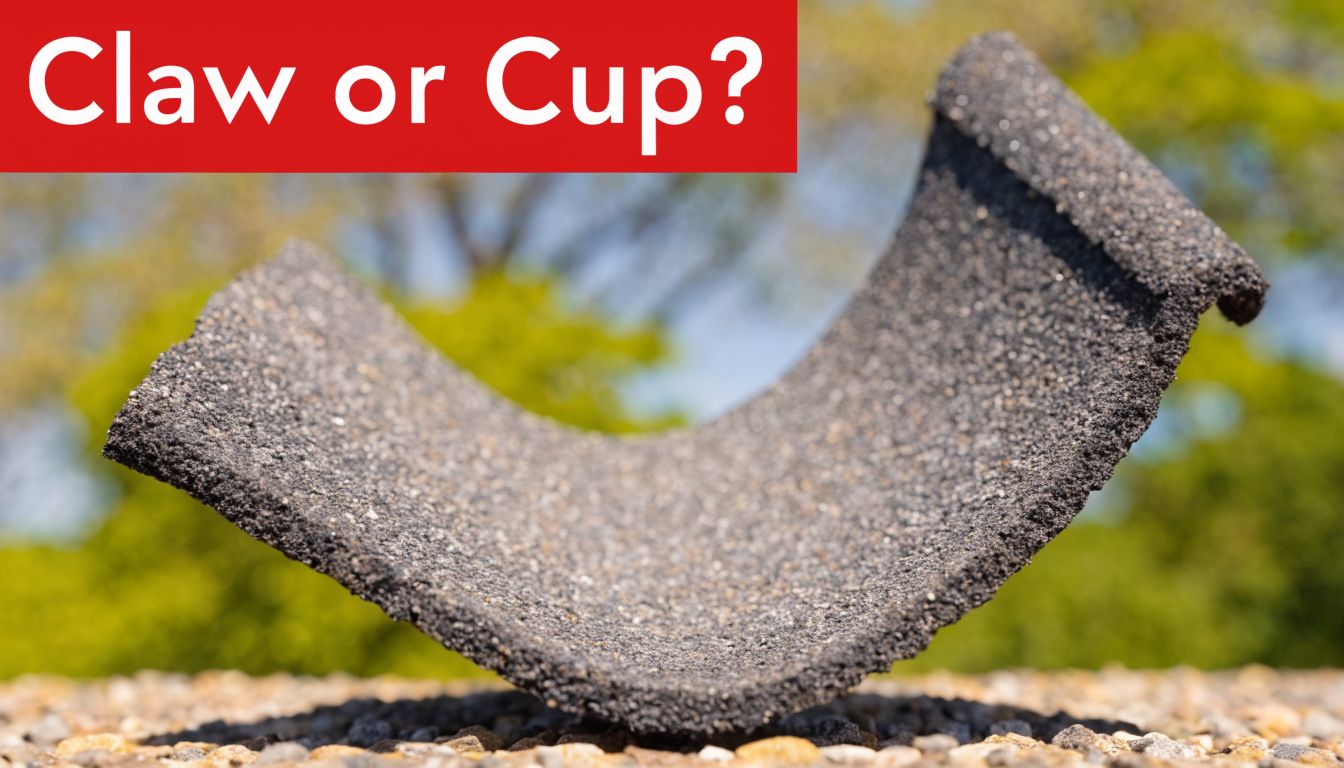
What clawing looks like
With clawing, the edges of the shingle curl downward or the tab corners lift in a hooked shape while the middle stays more fixed. From the ground, it can make the roof look older and rougher, almost like each shingle is shrinking into itself.
This often confuses homeowners because they expect damaged shingles to flap upward. Clawing doesn’t always look dramatic from a distance. It can look like shadow lines or uneven texture until the sun hits it just right.
What cupping looks like
With cupping, the edges rise while the center section dips. That gives the shingle a shallow bowl shape. Water can sit or move unpredictably across that surface instead of shedding the way it should.
Cupping tends to be easier to spot because it changes the profile of the whole tab. It can make rows of shingles look rippled or slightly puffed up.
A simple way to remember the difference
Think about a sheet of paper that gets wet on one side and dries unevenly.
- If the outer parts pull away, that resembles cupping
- If the material seems to pull inward and hook, that resembles clawing
- If many shingles show the same pattern, you’re probably looking at a system-wide issue, not one random bad tab
Another useful analogy is a leaf in summer. As it dries out, it doesn’t fail neatly. One part loses moisture faster than another, and the shape starts changing. Roofing shingles behave the same way when heat, age, or moisture imbalance changes how the layers expand and contract.
Field clue: The curl pattern doesn’t give you a complete diagnosis by itself, but it does give you a direction. It tells a roofer where to start looking next.
Why this distinction matters
Homeowners often ask whether clawing is worse than cupping. The better question is what the pattern suggests about the roof as a whole. Curling can point to heat stress, moisture issues, age, installation trouble, or a combination of them. The pattern helps narrow the possibilities.
If you only remember one thing from this part, remember this: curling is not random movement. Shingles curl because something changed in the material, the roof deck, the attic environment, or the installation. Once you know the shape, you can start tracing the cause.
The Prime Suspects Why Your Shingles Are Curling in Texas
A lot of Dallas homeowners first notice curling after a long stretch of heat or right after a hailstorm. From the yard, it can look like the roof suddenly changed. In reality, shingles usually curl after months or years of stress, and Texas weather speeds that process up.
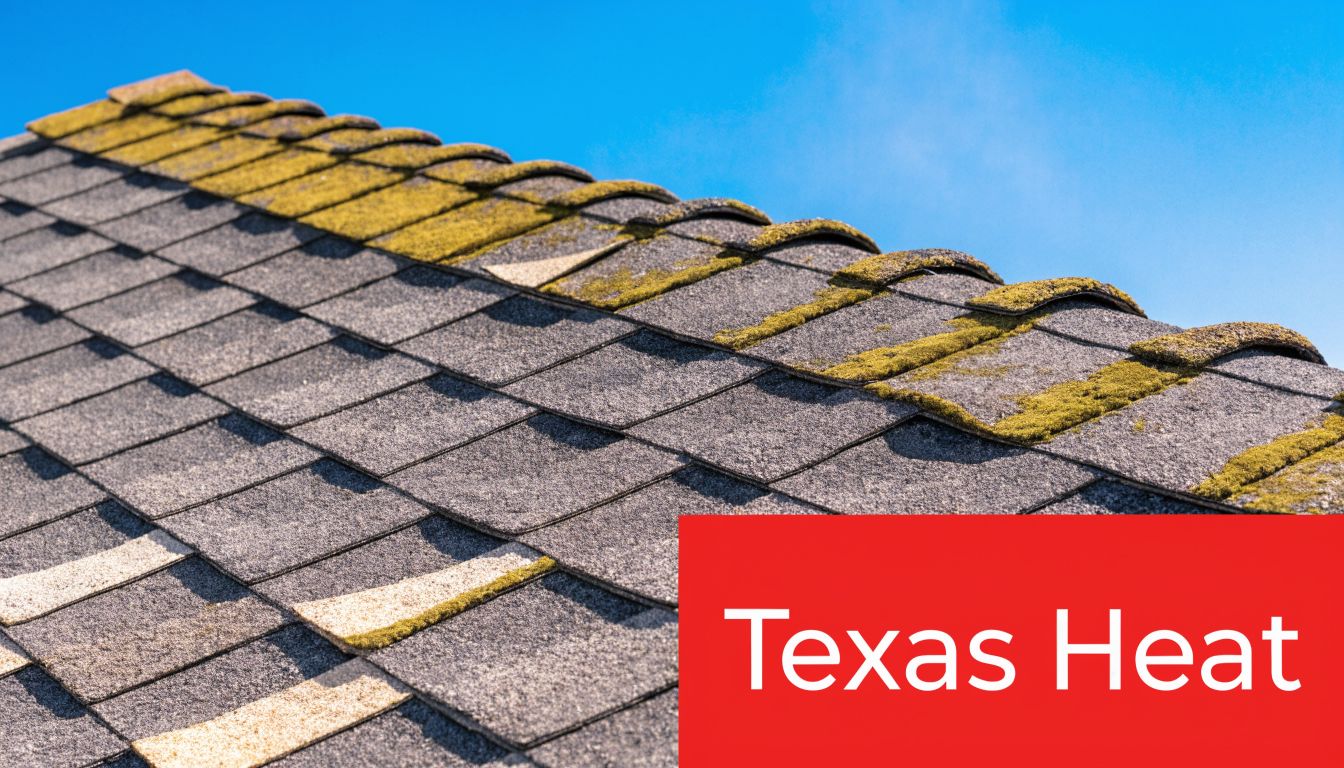
The key is to separate the visible symptom from the root cause. A curled shingle is like a fever. You can see it clearly, but you still have to find out what is driving it.
Suspect one is poor attic ventilation
In North Texas, this is one of the most common causes.
Angi’s explanation of curling asphalt shingles notes the usual ventilation guideline of one square foot of ventilation for every 300 square feet of attic space, balanced between intake and exhaust. When that balance is off, heat builds up in the attic and keeps pressing against the underside of the roof deck and shingles.
Homeowners usually focus on the sun hitting the top of the roof. That is only half the story. A poorly vented attic can heat the shingles from below at the same time, which dries the asphalt faster and makes the tabs lose flexibility. Once that happens, curling, cracking, and premature aging tend to follow.
In Texas, ventilation problems often travel with insulation problems. If soffits are blocked, ridge vents are undersized, or insulation is not helping the attic regulate heat the way it should, the whole roof system works harder than it needs to. This guide on Dallas attic insulation and roof performance explains how those pieces work together.
Suspect two is natural aging, accelerated by Texas heat
Sometimes the roof is reaching the back half of its life.
As shingles age, the asphalt dries out, the surface loses protection, and the material gets less flexible. In a milder climate, that process can be slower. In Dallas, long summers, intense UV exposure, and repeated expansion and contraction can age a roof faster than homeowners expect.
That is why an older roof may look passable from the street but still be close to failure. The shingles may stay in place during calm weather, then start curling, cracking, or shedding granules once hail, wind, or another extreme heat cycle hits.
Suspect three is moisture trapped under the roofing system
Heat gets the attention in Texas, but moisture causes its own kind of trouble.
Warm, humid air can move into the attic and collect where it should not. If that moisture condenses on the underside of the roof deck, the wood can swell, shift, or weaken over time. When the deck changes shape, the shingles above it often change shape too.
Homeowners do not usually spot this early. What they see is the outside clue. The actual problem may be underneath, where moisture and deck movement are slowly changing the surface the shingles sit on.
When the deck moves, the shingles above it rarely stay flat.
This matters in Dallas because our roofs go through big swings. Hot afternoons, humid air, sudden storms, and cooler nights all make roofing materials expand and contract again and again. That repeated movement can turn a small attic or moisture problem into visible curling.
A quick visual overview can help if you want to see how roof problems show up in real conditions.
Suspect four is poor installation
Some roofs start with a built-in disadvantage.
Shingles need the right nailing pattern, proper alignment, a flat deck, and good sealing conditions during installation. If nails are misplaced, shingles are overdriven, the underlayment is uneven, or damaged decking is left in place, the roof can begin aging unevenly very early.
A newer roof with broad curling deserves a closer look for workmanship issues. That does not always mean the installer caused the entire problem, but it does mean the roof should be checked before you spend money on repeated small repairs that do not last.
Suspect five is roofing over old layers
Layering new shingles over old roofing can create trouble that stays hidden until the new roof starts telegraphing it.
If the surface underneath is uneven, soft, or already heat-soaked, the top layer has a poor foundation. The new shingles may trap more heat, sit unevenly, and wear out faster because they are conforming to a base that is already compromised.
For a homeowner, this matters financially too. A roof-over can look less expensive up front, but if curling shows up early, the savings disappear fast.
Suspect six is storm stress, especially hail
Texas roofs do not age in a quiet environment. They age under impact.
Hail does not always leave a dramatic hole or obvious tear. On a roof that is already dried out from heat or weakened by age, hail can bruise the mat, loosen granules, and create small fractures. Then the next round of sun, wind, or humidity pushes those weakened shingles into visible curling.
This is one of the biggest points of confusion for homeowners in Dallas. They want one clean cause, but many curling roofs have stacked causes. Age may have weakened the shingle. Poor ventilation may have shortened its life. Hail may have been the event that exposed the problem.
A practical framework for deciding what the curling is really telling you
Use the roof’s context, not just the curl itself.
- Older roof with curling across many slopes: age and heat are likely major factors
- High cooling bills, hot upstairs rooms, or a stuffy attic: ventilation and insulation need a hard look
- Wavy roof lines, staining, or signs of indoor humidity: moisture and deck movement may be part of the problem
- Relatively new roof with widespread distortion: installation quality or an underlying deck issue moves higher on the list
- Curling that became obvious after a storm: hail or wind may have pushed a stressed roof past the tipping point
That last point matters for your wallet. If storm damage played a role, insurance may enter the conversation. If the curling comes mainly from age and long-term wear, the decision often shifts toward budgeting for replacement instead of chasing repairs one patch at a time.
In Texas, curling shingles usually mean the roof has been under pressure from more than one direction. Heat, humidity, workmanship, old age, and hail all leave fingerprints. The job is to read those fingerprints correctly before you decide whether to repair a section, file a claim, or plan for a full replacement.
Assessing the Damage How Serious Is Your Shingle Curling
A lot of Dallas homeowners first notice curling from the driveway. The roof starts to look a little rough, a little uneven, like the tabs are lifting their hands instead of lying flat. That uneven look matters because curling is not just a cosmetic issue. It changes how well the roof sheds water, resists wind, and holds up through long Texas summers.
You can get a useful first read from the ground with good daylight and a slow, deliberate look. Stay off the roof. Curled shingles are often brittle, and walking on them can break tabs that were still hanging on.
Read the pattern, not just the shingle
Start by looking at where the curling shows up.
A few distorted shingles near a vent pipe, chimney, or valley often point to a local problem. Widespread curling across one whole slope, or across several slopes, usually means the roof system is aging or failing in a broader way. If the same area gets full afternoon sun, that matters too. Texas heat cooks the south and west-facing slopes harder, so those sides often show trouble first.
Try to view the roof in sections, the same way a roofer would. One isolated problem spot is different from a repeating pattern. Repeating patterns usually cost more because the cause is bigger than one shingle.
Put roof age in context
Age changes the meaning of what you see.
If the roof is older and curling appears across large areas, you are often looking at wear that has built up over years of heat, sun exposure, and weather cycles. If the roof is relatively new, broad curling should raise more concern about installation quality, attic conditions, or an underlying deck issue. Shingle choice matters too, especially in our climate. Some asphalt shingles made for hot climates hold up better under prolonged heat load than basic products do.
A simple comparison helps here. An older roof with light curling in several places is like an aging set of tires showing wear across the tread. A newer roof with widespread curling is more like a car pulling hard to one side early in its life. You know to look for another cause.
Check for the signs that raise the stakes
Curling gets more serious when it shows up with other symptoms. Those companion signs help you tell the difference between surface aging and a roof that may already be letting water in.
Look for:
- Granules collecting in gutters or near downspouts: the protective surface is wearing away
- Cracked tabs, split corners, or missing pieces: the shingle has become more fragile and easier for wind to damage
- Wavy or uneven roof lines: the issue may involve the decking below, not just the shingles on top
- Dark spots in the attic or stains on ceilings: moisture may already be getting through
- Recent hail marks or storm-related bruising: a stressed roof may have been pushed past its limit
If you are trying to judge urgency, use a practical homeowner rule. Curling by itself deserves attention. Curling with cracking, granule loss, or interior staining deserves prompt action.
A simple severity scale you can use
| Severity | What you see from the ground | Likely urgency |
|---|---|---|
| Mild | A few curled tabs in a small area, no visible interior signs | Book an inspection soon |
| Moderate | Curling across one slope, visible wear, uneven appearance | Put it near the top of your list |
| Severe | Widespread curling, cracking, sagging or waviness, signs of interior moisture | Get a professional roof evaluation promptly |
This quick sort is not meant to replace an inspection. It helps you decide whether you are probably dealing with a watch-it issue, a budget-for-it issue, or a protect-the-house-now issue.
One more point homeowners appreciate. Severity is not just about damage. It is also about money. A limited area on a roof with good remaining life may be repairable. Broad curling on an older roof often means repair money buys only short-term relief. If storm damage is part of the story, documentation also matters for an insurance conversation, just like condition details matter when comparing specialized equipment such as best motorized bicycle engines. The condition has to be judged in context, not by one surface symptom alone.
Repair or Replace A Practical Decision Guide
This is usually the question people care about most. Can the curled shingles be repaired, or is it time to stop patching and replace the roof?
The answer depends less on the single shingle you can see and more on the condition of the system around it.
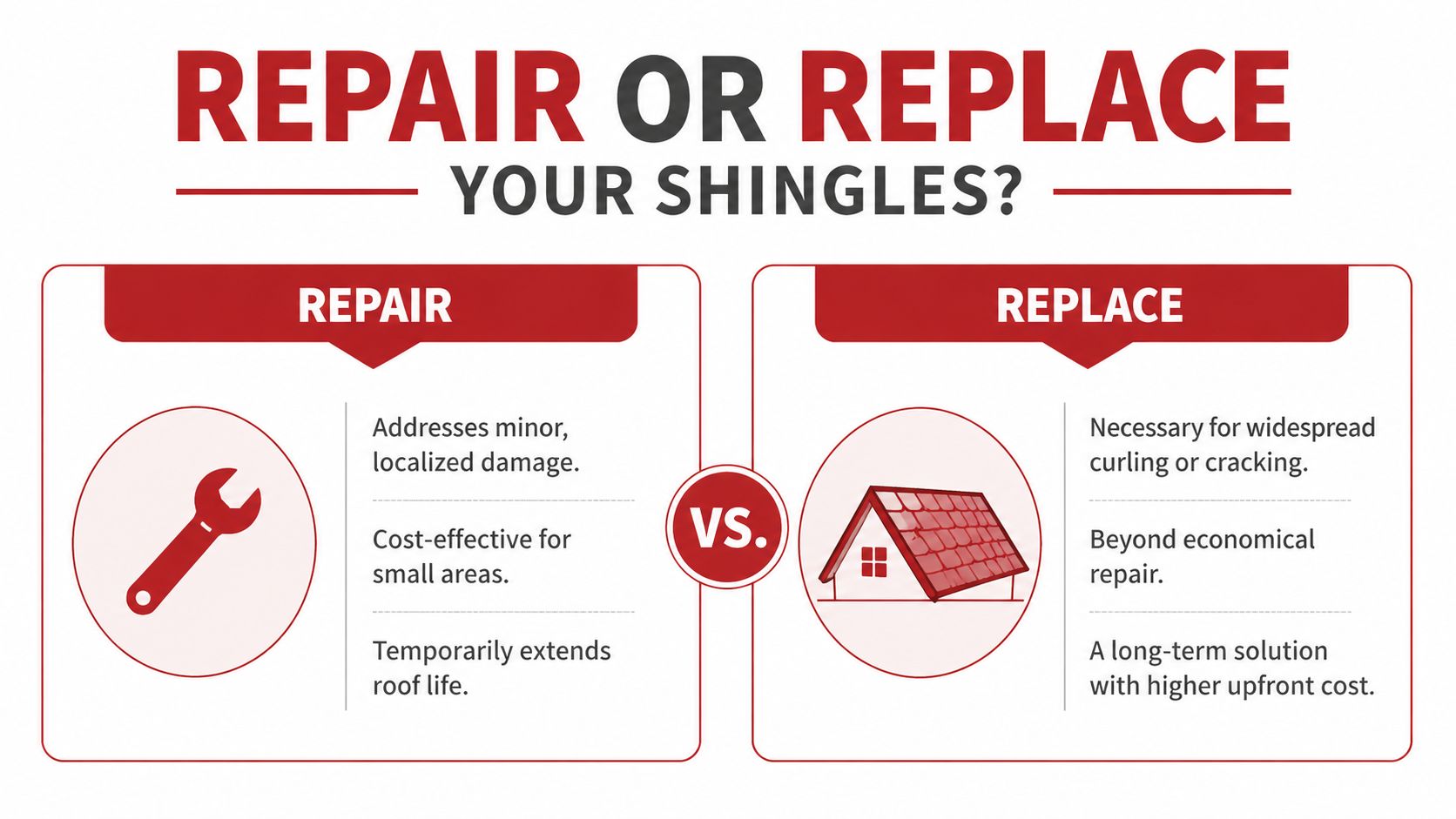
When repair makes sense
Repair is usually the better move when the problem is limited and the rest of the roof still has life left.
A focused repair may make sense if:
- The curling is isolated: one section, a few tabs, or a problem near flashing or a roof penetration
- The roof is otherwise in decent condition: no broad granule loss, no major cracking, no widespread distortion
- The cause is local: a small area of storm damage, a limited installation issue, or one trouble spot you can clearly identify
In those cases, replacing damaged shingles and correcting the local cause can be sensible. You’re not trying to rescue a worn-out roof. You’re fixing a contained failure.
When replacement is the smarter call
Replacement becomes more practical when curling is widespread or tied to overall roof age and condition. That’s especially true if multiple symptoms are showing at once.
Choose replacement more seriously when:
- Curling appears across large areas
- The roof is older and brittle
- Cracks, granule loss, or moisture signs show up too
- The deck, ventilation, or underlayment may also need correction
A lot of homeowners hesitate here because they don’t want to jump to the bigger expense. That instinct is understandable. But repeated repairs on a failing roof can become the more expensive path if they only postpone leaks and interior damage.
Don’t compare repair cost to replacement cost alone. Compare short-term spending to how much usable roof life you’re actually buying.
Decision Matrix Repair vs. Replace Curling Shingles
| Factor | When to Repair | When to Replace |
|---|---|---|
| Roof age | Roof still has meaningful service life left | Roof is near the end of its service life |
| Extent of curling | Limited to a small area | Spread across one or more major slopes |
| Condition of shingles | Flexible enough to service locally | Brittle, cracked, or losing granules broadly |
| Root cause | Isolated issue that can be corrected | Systemic issue such as age, ventilation, or deck movement |
| Financial logic | Lower-cost fix with real remaining value | Repairs would only delay a necessary reroof |
The financial side homeowners often overlook
The cheapest invoice isn’t always the cheapest decision. If a contractor can patch curled shingles but can’t change the fact that the roof is broadly deteriorating, you may be paying for time, not for a solution.
Material choice matters too when replacement is on the table. If Texas heat is a major factor on your home, this breakdown of the best asphalt shingles for hot climates can help you think beyond color and curb appeal.
One more practical thought. Homeowners often understand this logic better when they compare it to maintaining other equipment. You wouldn’t keep rebuilding a worn-out machine forever if the foundation problem stayed the same. The same reasoning shows up in other maintenance decisions, even in unrelated categories like best motorized bicycle engines, where long-term value depends on whether you’re fixing one failing part or replacing a setup that no longer performs reliably.
Proactive Prevention How to Protect Your Roof for the Long Haul
A Texas roof ages like a truck parked outside in Dallas year-round. Sun bakes it, humidity works into the weak spots, and hail tests anything that is already tired. If you want shingles to stay flat longer, the goal is simple. Keep the roof system cool enough, dry enough, and well-drained enough to avoid slow distortion over time.
Control heat and moisture in the attic
Many curling problems start below the shingles.
Your attic works like the engine bay of the roof system. If heat builds up and damp air has nowhere to go, the wood deck above it can swell, shift, and hold moisture longer than it should. Shingles sitting on top of that surface do not stay happy for long. In North Texas, that matters because we deal with long heat stretches, sharp temperature swings, and humid air that can linger after storms.
Good ventilation and insulation work together here. Ventilation helps hot, moist air escape. Insulation slows indoor heat transfer so the attic is under less stress in the first place. If either part is off, the roof can age unevenly.
Keep water moving off the roof
Water does not need a huge opening to cause trouble. It only needs time.
That is why gutters and downspouts matter more than many homeowners expect. If runoff backs up at the eaves or keeps splashing the same areas, roof edges and lower courses of shingles stay wet longer. Over months and years, repeated wetting can weaken materials and expose hidden trouble around fascia, decking, and underlayment.
If your home has covered systems, this practical guide on safely cleaning protected gutters is useful because gutter guards still need maintenance.
A few habits make a real difference:
- Keep gutters draining freely: Overflow near the roof edge creates avoidable wear.
- Check valleys and low spots after storms: Dallas hail and wind can pile debris where water should be moving.
- Watch for stains or damp soffits: Those clues often show up before interior leaks do.
Don’t ignore the layers beneath the shingles
Shingles are only the top skin of the roof. What supports them matters just as much.
If the decking is soft, if flashing lets water sneak in, or if the underlayment has aged out, the shingles are the part you notice first. For a homeowner, that can be confusing. The curl looks like a shingle problem, but the cause may be lower in the system. This guide on what roof underlayment does and why it matters gives a good plain-English look at one of those hidden layers.
A flat shingle usually starts with a dry, stable surface underneath it.
Choose materials for Texas, not just for looks
In Dallas, color and style matter. Performance matters more.
If replacement is in your future, ask how the product handles prolonged heat, UV exposure, and hail impact, not just how it looks from the street. A cheaper shingle can cost more if it ages fast under Texas conditions. A better-rated product may raise the initial price, but it can make more financial sense if it holds up longer and gives you a stronger roof during storm season.
That same money logic applies to small upgrades. Better ventilation, improved intake and exhaust balance, or replacing damaged flashing during a larger job often costs far less than dealing with recurring repairs later.
Put inspections on a calendar
Roofs rarely fail all at once. They wear down in small, easy-to-miss steps.
A scheduled inspection, especially after hail season and before peak summer heat, helps catch subtle lifting, early curling, drainage issues, and weak flashing before they turn into stained ceilings or decking repairs. For Texas homeowners, that timing also helps with documentation. If storm damage is part of the story later, clear records make repair, replacement, and insurance conversations much easier.
Your Next Steps Navigating Inspections and Insurance
Once you notice curling, the smartest next move is to get the roof inspected by a professional who can look at the shingles, attic conditions, flashing, and roof deck as one system. A ground-level guess is helpful. It isn’t enough to make a confident repair-or-replace decision.
A solid inspection should answer a few practical questions. Is the curling isolated or widespread? Is the roof merely old, or did a storm event accelerate damage? Are there signs of moisture below the shingles? Has hail or wind created damage that blends in with age-related wear?
When insurance may matter
Insurance usually becomes part of the conversation when storm damage played a role. That can be straightforward in some cases and frustrating in others, especially when age and storm impact overlap. If hail struck an already aging roof, documentation matters. So does timing.
Homeowners who feel unsure about policy language often benefit from reading a plain-English overview first. This guide from Duncan & Associates on home insurance is a useful starting point for understanding how coverage discussions are typically framed.
What to have ready before you call
You don’t need a full claim file before contacting a roofer or your carrier, but a few basics help:
- Approximate roof age: Even a rough estimate is useful.
- Dates of recent storms: Especially hail or high-wind events.
- Photos from the ground: Wide shots and any visible trouble areas.
- Interior signs: Ceiling stains, attic moisture, or rooms that run unusually hot.
Why local experience matters
Texas roofs don’t fail in textbook ways. They fail under mixed pressure. Heat, humidity, hail, UV exposure, and fast weather changes create combinations that out-of-area contractors often oversimplify.
A local roofer who understands North Texas conditions can usually sort out whether you’re looking at normal aging, ventilation trouble, hidden moisture issues, storm damage, or some mix of all four. That matters not just for the repair plan, but for whether insurance should even be part of the conversation.
If your shingles are curling, don’t let the next big rain be the thing that gives you your answer.
Frequently Asked Questions About Curling Shingles
Can I fix curled shingles myself?
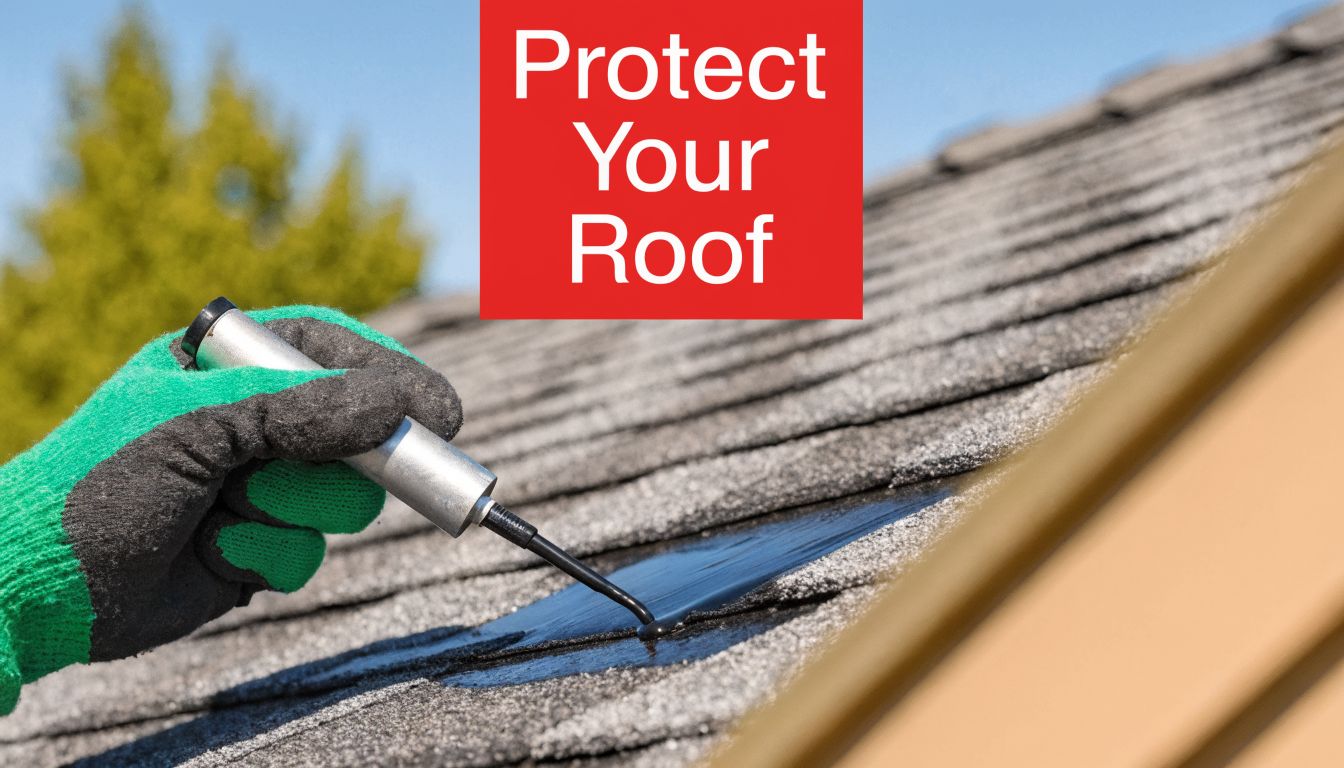
Small temporary measures may help reduce immediate water entry risk, but DIY repair is rarely the right long-term answer for curling. The visible shingle is often only part of the issue. If the underlying cause is attic heat, trapped moisture, brittle aging, or deck movement, sticking one tab down won’t solve much.
Are curling shingles always leaking?
No. A roof can have curling shingles before water shows up inside. But curling reduces the roof’s ability to shed water correctly, and that raises the chance of leaks over time. The risk grows when curling is paired with cracking, missing granules, or storm damage.
How long can I wait if I only see a few curled shingles?
That depends on roof age, how widespread the issue is, and whether other warning signs are present. A few isolated curled shingles on a roof in otherwise decent shape may allow for scheduled inspection and repair. Widespread curling or any interior staining should move much faster.
Will insurance cover curling shingles?
Insurance may help if covered storm damage caused or worsened the problem. Curling caused by normal aging or wear is a different situation. The important thing is proper inspection and documentation, especially when storm damage and age overlap.
Does hail make curling worse?
Yes, it can. Hail often hits hardest where the roof is already weakened. A flexible shingle and a brittle shingle don’t respond the same way to impact. On an aging roof, hail can speed up failure that was already developing.
If my roof isn’t leaking yet, can I just monitor it?
Sometimes monitoring is reasonable for mild, isolated curling. But “monitoring” should mean setting a real inspection date, not hoping the problem stays still. Curling tends to be a sign that material or system stress is already underway.
If you’re seeing lifted tabs, waviness, granule loss, or signs of storm wear, Hail King Professionals can help you figure out what’s really going on. Their licensed and insured team has served Dallas-Fort Worth and East Texas since 1991 with free, same-day roof inspections, clear repair or replacement options, and support for storm-related insurance claims. If your home has solar, they also handle detach-and-reset during reroofing. Reach out for a straightforward assessment and a plan that fits your roof, your budget, and Texas weather.