
Asphalt Shingle Roofing Near Me: 2026 DFW Guide
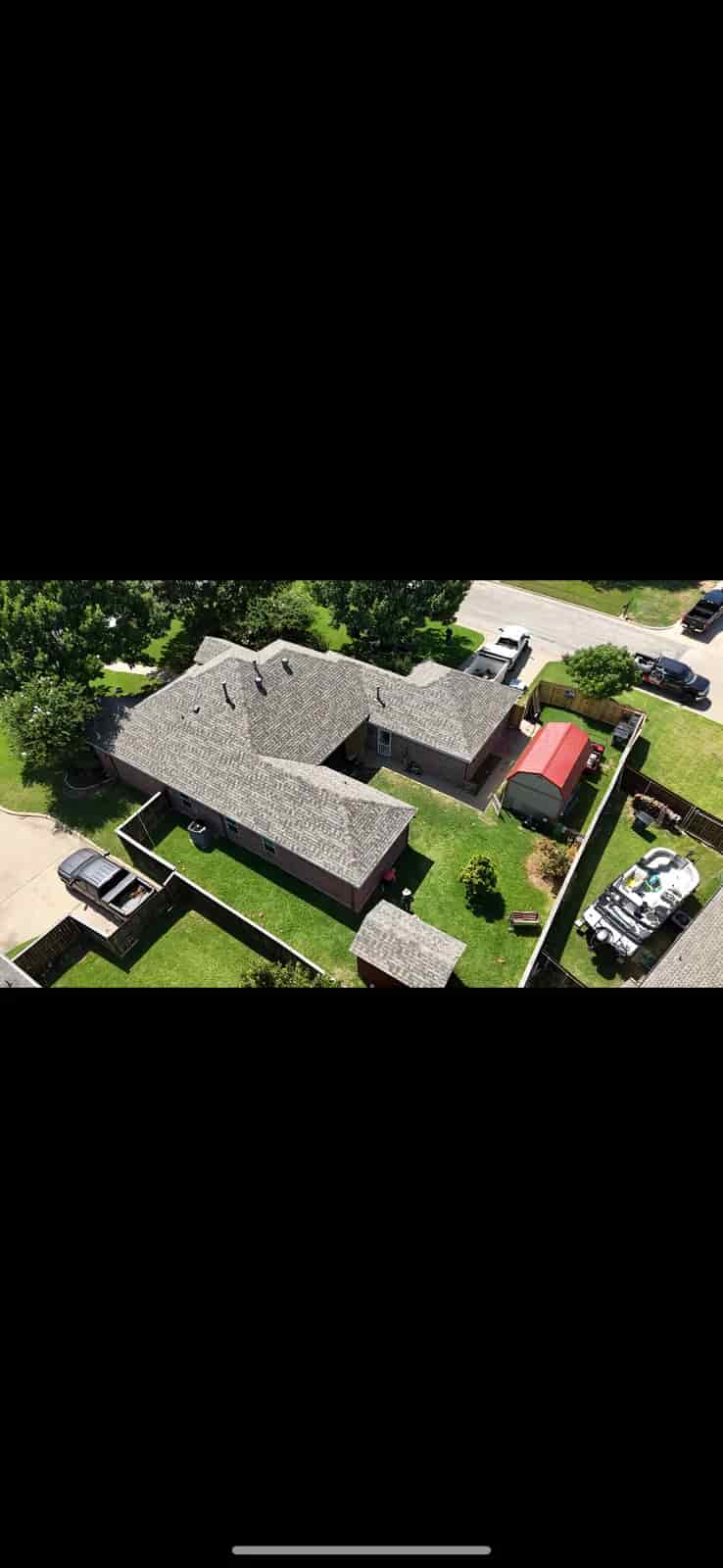
A North Texas storm rolls through at night, and the next morning you spot shingle pieces in the yard, granules in the gutter, or a water stain that wasn't there last week. Then the search starts. You type asphalt shingle roofing near me, and suddenly every roofer says they're local, every website says they handle hail, and every estimate seems to say something different.
That's where most homeowners get stuck. The roof may need replacement, the insurance company may need documentation, and if you've got solar panels on the house, the job gets more complicated fast. In Dallas-Fort Worth and East Texas, roofing decisions don't happen in a vacuum. They happen after hail, heat, wind, insurance calls, and budget pressure.
A good roof replacement isn't just about picking a shingle color. It's about choosing the right system, understanding what the job should cost, making sure it's installed correctly, and avoiding mistakes that can come back to bite you in the next storm season. That includes the parts many roofers skip over, like adjuster documentation and solar detach-and-reset planning.
Your Guide to Asphalt Shingle Roofing in North Texas
Many homeowners searching for asphalt shingle roofing near me find themselves in one of two situations. Either a storm just hit and they need answers quickly, or the roof has been aging over time until a leak finally made the decision for them. Both situations are stressful because roofing isn't something most homeowners shop for often.
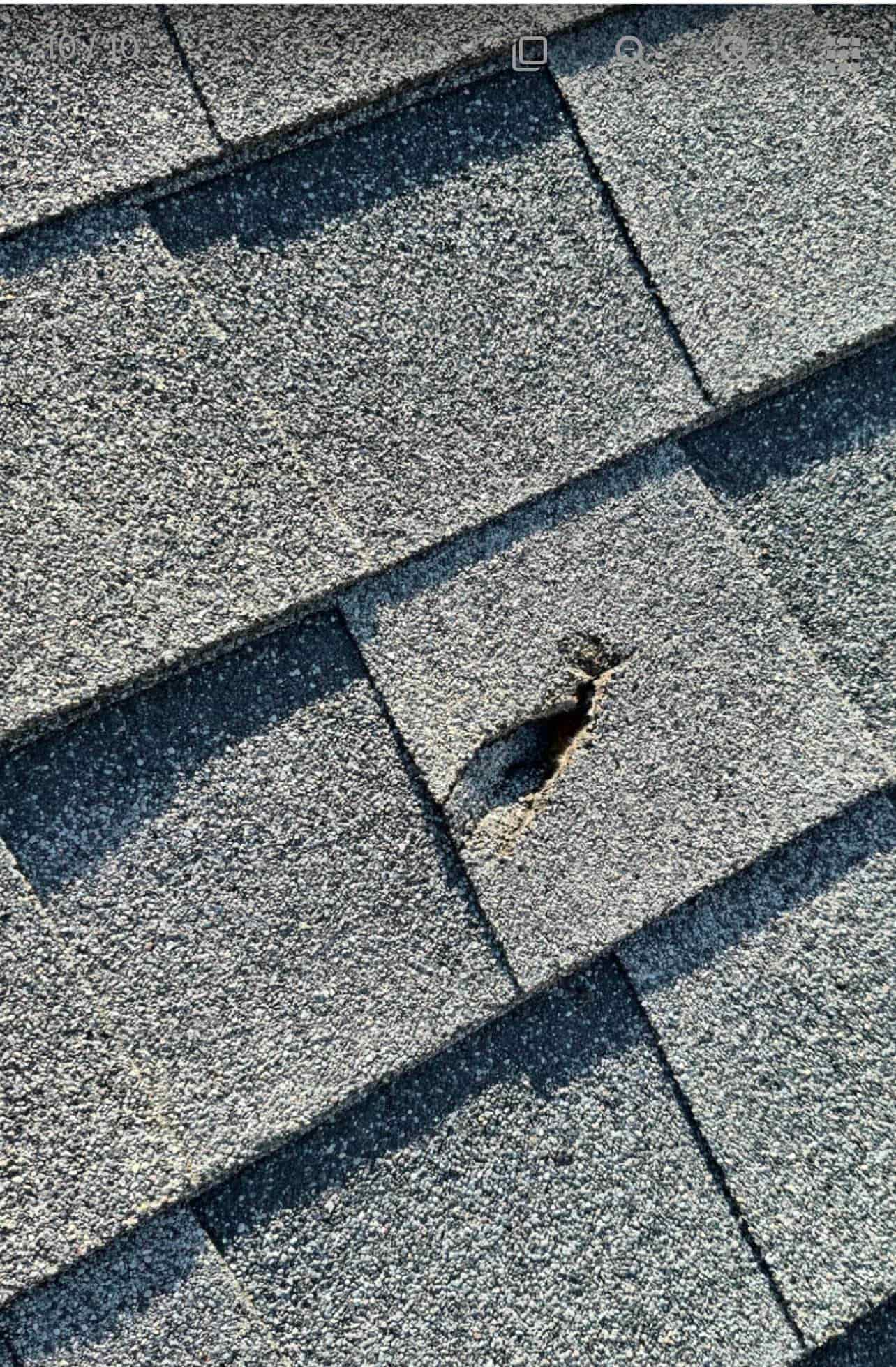
In North Texas, delay usually makes things worse. A roof that looks “mostly fine” from the driveway can still have bruised shingles, lifted tabs, compromised seal strips, or flashing issues around vents and chimneys. If hail or wind started the problem, water usually finishes it.
What homeowners usually need right away
Most calls boil down to a short list:
- Damage clarity: Is this a repair, or is the roof too far gone?
- Material guidance: Should you stay with basic shingles or move up to architectural or impact-resistant options?
- Budget reality: What's a fair price, and what drives it up or down?
- Insurance help: What should you document before the adjuster shows up?
- Project logistics: How does reroofing work if you have solar panels on the roof?
Practical rule: If a roofer can't explain the full replacement process in plain English, don't trust them to handle the parts you can't see.
North Texas roofs have to deal with hard sun, sudden wind, hail, and the occasional freeze. That means the right answer usually isn't the cheapest line item on a quote. It's the roofing system and installation method that fits your home, your exposure, and your long-term plans for the property.
Why Asphalt Shingles Are the Smart Choice for Your DFW Home
A lot of North Texas homeowners start out asking for “the cheapest roof that will pass inspection.” After the next hail claim, mismatched repair, or solar panel reset, many wish they had looked at the full life of the roof instead of the first invoice.
That is where asphalt shingles usually win.
For DFW homes, asphalt shingles give homeowners the best balance of replacement cost, appearance, repair options, and product availability. They are familiar to local crews, easy to source after a storm, and practical to match later if part of the roof gets damaged or a section has to be opened up for vent work, flashing corrections, or solar detach and reset. That matters in Texas, where a roof often gets touched more than once over its service life.
The practical difference between 3-tab and architectural
3-tab shingles still have a place. They fit rental properties, tighter budgets, and shorter ownership timelines.
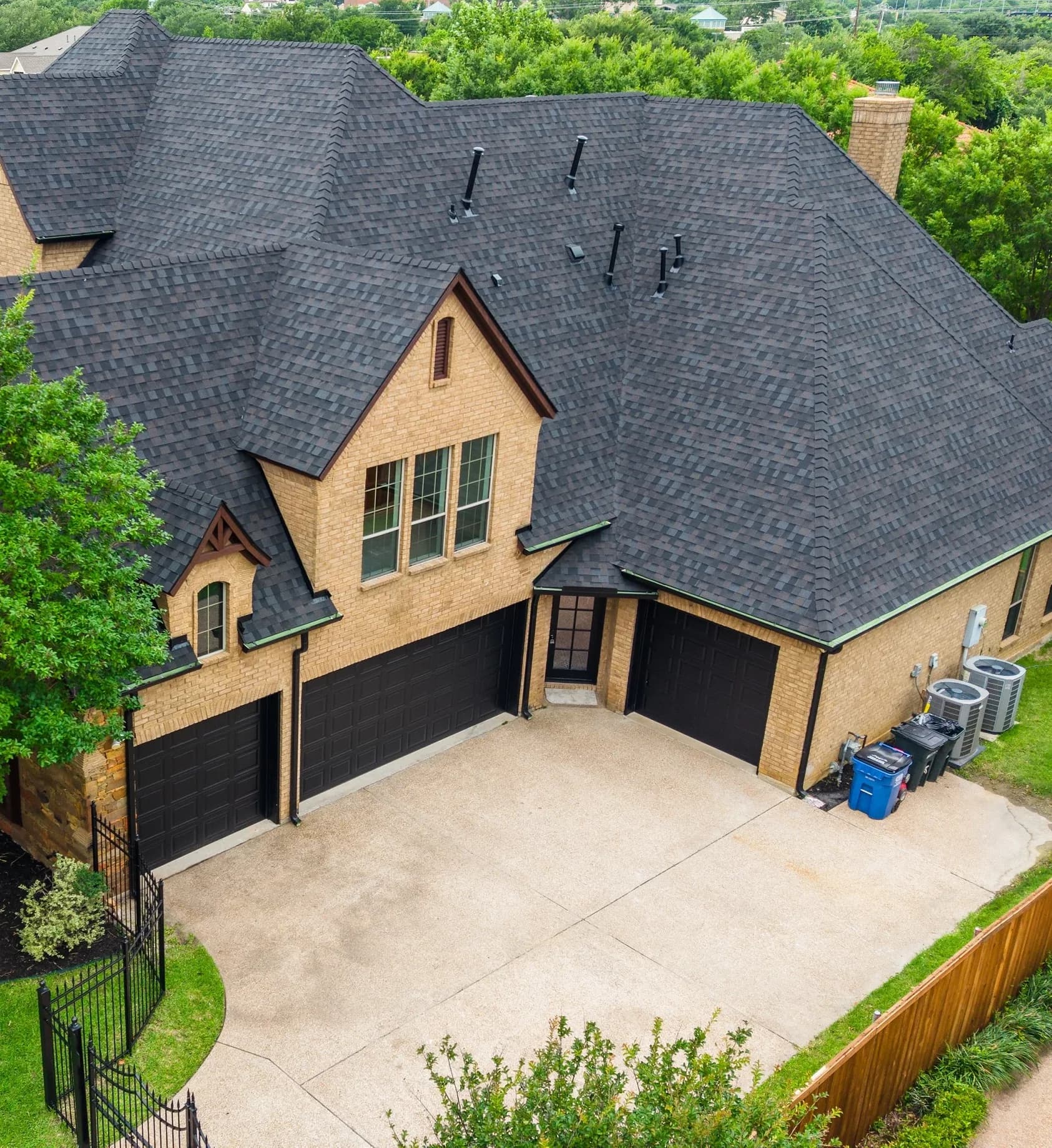
Architectural shingles are the better fit for many owner-occupied homes in DFW. They are thicker, look better from the street, and usually hold up better to the wear that shows up year after year in hard sun and storm season. They also tend to make more sense when a homeowner is already spending money on related work like upgraded underlayment, better attic ventilation, or coordinating a solar panel removal and reinstallation.
Here is the decision in plain terms:
| Feature | 3-Tab Shingles | Architectural Shingles |
|---|---|---|
| Look | Flat, uniform appearance | Thicker, dimensional appearance |
| Budget fit | Lower upfront material cost | Higher upfront material cost |
| Best for | Tight budgets, shorter-term planning | Long-term ownership, stronger curb appeal |
| Repair and resale practicalities | Functional, but less attractive after patchwork | Better appearance if future repairs or additions are needed |
For homeowners comparing heat performance, color options, and shingle design, this guide on best asphalt shingles for hot climates is a useful starting point.
Why asphalt works so well in real-world roof replacement
A roof replacement is rarely just shingles.
In DFW, the project often includes code updates, decking replacement in weak spots, flashing corrections, gutter coordination, and insurance paperwork after hail. On some homes, it also includes solar panel detach and reset, which adds another layer of scheduling and cost control. Asphalt shingles fit that kind of project well because the material works with standard residential roof systems and does not force homeowners into specialized labor or long lead times.
That flexibility matters if part of the roof needs repair before a claim closes. It matters if an adjuster approves one scope and hidden damage changes the final supplement. It matters if solar has to come off first and go back on after the new roof system is installed correctly.
What homeowners should pay attention to instead of brand hype
The shingle matters. The full system matters more.
Pay attention to the underlayment, starter course, ridge components, ventilation plan, flashing details, and nail placement. A decent architectural shingle installed correctly over a sound system will usually outperform a premium-looking product installed carelessly. I have seen expensive shingles fail early because the crew missed the nailing zone, reused bad flashing, or treated ventilation like an afterthought.
Homeowners usually shop color and price first. Roofers who know storm work shop the full assembly first, because that is what determines how the roof performs, how cleanly an insurance claim gets scoped, and how much trouble you have later if panels, vents, or damaged sections need to be removed and reset.
Where asphalt shingles make the most sense
Asphalt shingles are a smart fit when you want:
- Broad contractor familiarity: local crews, suppliers, and inspectors deal with these systems every day
- Style flexibility: they work on older ranch homes, newer subdivisions, and investment properties
- Manageable future repairs: storm damage, flashing work, and roof penetrations are easier to address than with many specialty materials
- Better lifecycle practicality: they fit the facts of Texas insurance claims, partial repairs, and solar-related roof work
For most DFW homes, asphalt shingles are not a fallback option. They are the material that makes the most sense from the first inspection to the day the roof gets replaced again.
Protecting Your Home from Texas Storms and Hail
A spring hail storm rolls through at 2 a.m. By breakfast, the fence is splintered, the gutters are dented, and half the neighborhood has yard signs from roofers you have never seen before. That is how roof replacement starts for a lot of North Texas homeowners. The ones who come out ahead are the ones who slow down, document the damage, and make decisions based on the full roof system, the insurance scope, and any solar equipment that has to come off and go back on correctly.
Why Class 4 matters in this market
In DFW, impact resistance is not a brochure feature. It is a practical upgrade in a region where hail can turn a serviceable roof into an insurance claim in one afternoon.
Class 4 shingles are tested for impact resistance under UL 2218. That rating does not make a roof hail-proof, and any roofer who says otherwise is selling, not advising. What it does mean is the shingle is more likely to hold up to the kind of hits that crack, bruise, or shorten the life of lighter products. For homeowners planning to stay put, that can mean fewer problems between storms and a better shot at avoiding another full replacement too soon.
If your neighborhood just got hit, this guide on what to do after hail storm damage can help you avoid the mistakes that cost people time and claim dollars.
Storm protection depends on the whole roof assembly
Hail damage rarely stops at the visible shingle. I have seen claims miss torn soft metals, displaced flashing, exposed fasteners, damaged ridge vents, and underlayment problems that only show up after tear-off. A stronger shingle helps, but the roof earns its keep as a system.
Storm performance usually comes down to details like these:
- Nailing accuracy: Miss the nailing zone and shingles can break seal or lift in high wind.
- Starter and ridge products: These control the edges and high points where wind gets aggressive first.
- Underlayment choice: It buys you backup protection when wind-driven rain gets past the field shingles.
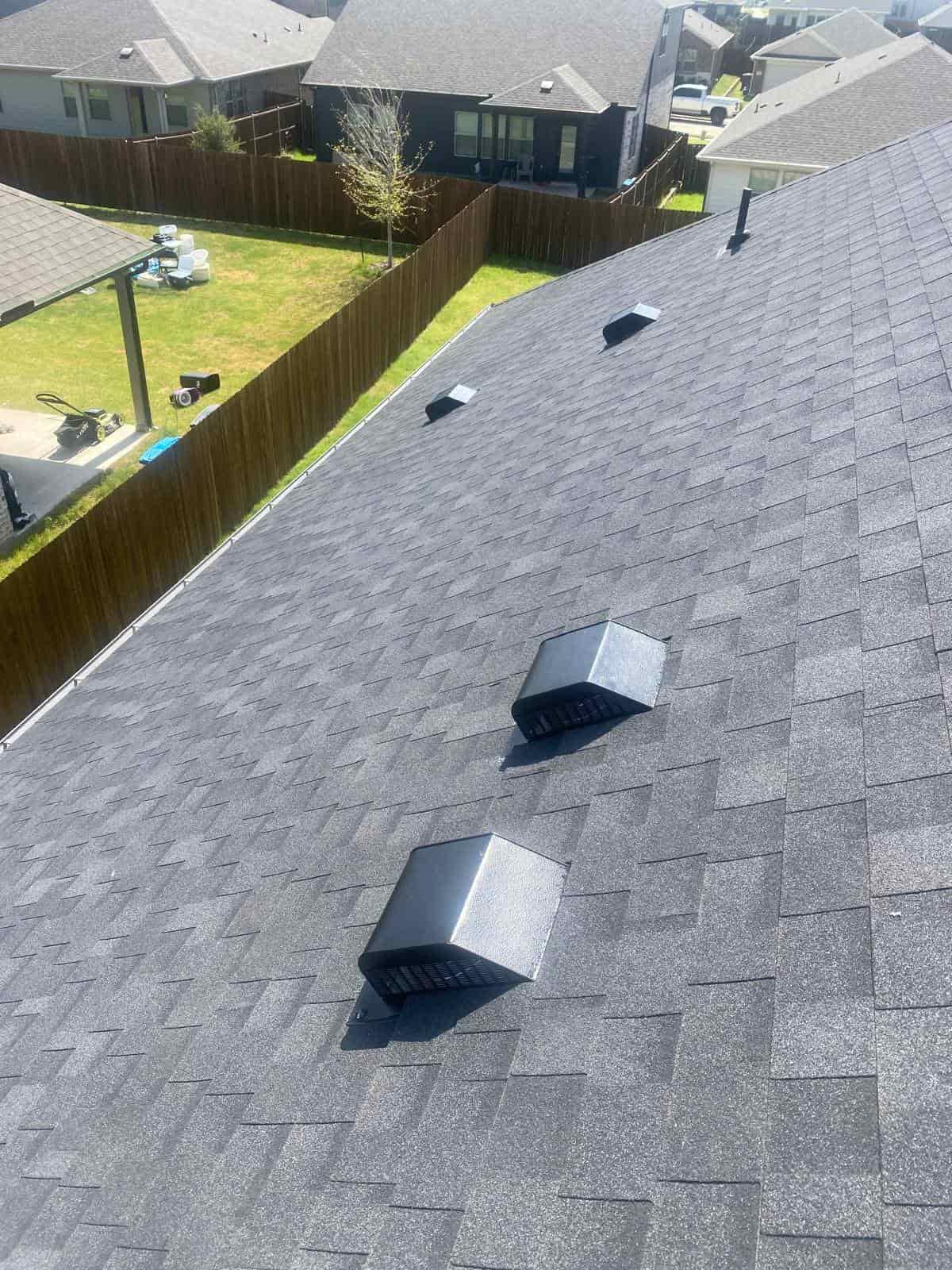
- Flashing and penetrations: Chimneys, walls, pipe jacks, turbines, and vents are common leak points after a storm.
- Ventilation layout: Bad airflow bakes shingles, traps heat, and can shorten roof life in Texas attics.
A premium shingle on a careless install still leaves you exposed.
Hail claims, solar resets, and the work people forget to plan for
This is the part many roofing articles skip. A storm replacement is not just tear-off and install. If you have solar panels, satellite mounts, added vents, or other roof-mounted equipment, the job gets more technical fast. Panels often need to be removed and reset in the right sequence, and that work needs to line up with the insurance scope, electrician or solar provider, and the roofing crew so the roof does not get damaged twice.
That affects cost, scheduling, and financing decisions. Homeowners who need to spread out part of the project sometimes look at options like Financing, especially when solar-related work falls outside the main insurance payout or has to be coordinated separately.
What works in North Texas
The best storm strategy is simple. Buy the roof you will be glad to own after the next hail season, not the cheapest line item on bid day.
For many DFW homes, that means impact-rated shingles, correct accessories, documented storm damage, and a contractor who can handle the whole chain of work, from inspection and claim support to final reset of vents and solar components. That approach protects the house better and cuts down on the usual mess of supplements, callbacks, and preventable leaks.
Understanding Costs and Financing Your New Roof
A hail storm hits, the adjuster has been out, and three roofing bids land on your kitchen table. All three promise a new roof. One is thousands less. That gap usually comes from what is missing, not contractor magic.
In North Texas, roof pricing swings hard based on roof size, pitch, access, shingle tier, and how many details have to be rebuilt correctly after tear-off. A simple walkable roof costs less to replace than a steep cut-up roof with chimney flashing, multiple valleys, ridge vents, skylights, and solar equipment that has to be removed and reset in sequence.
That last part gets missed all the time.
If your project started with storm damage, your actual budget involves more than just shingles. It can include insurance supplements, code-required upgrades, decking replacement if bad wood shows up, gutter or screen removal, and solar coordination that falls outside the main roofing scope. Homeowners who compare only the base shingle number are usually comparing incomplete jobs.
Where the money goes
A solid estimate should break out the major cost drivers clearly:
- Labor: Tear-off, deck inspection, installation, flashing work, cleanup, and final punch work
- Materials: Shingles, underlayment, starter, ridge products, ice and water protection where needed, pipe boots, and ventilation components
- Removal and disposal: Dump fees, haul-off, and site protection
- Roof complexity: Steep slopes, multi-level rooflines, limited access, and heavy flashing detail work
- Related trades: Solar detach and reset, electrical coordination, and other roof-mounted equipment
Industry cost ranges published by Roofing Calculator show why bids can spread out so much, especially once labor, tear-off, and shingle class change from one proposal to the next.
How to read a roofing bid without getting fooled
Start with the scope, not the total.
A useful proposal tells you exactly what gets replaced, what gets reused, what happens if damaged decking is found, and who is responsible for items sitting on top of the roof. If solar panels are involved, the bid should say who removes them, who reinstalls them, whether the solar provider must inspect after reset, and whether that work is included, excluded, or billed as an allowance.
Use this quick check:
| Question | Why it matters |
|---|---|
| Is full tear-off included? | Vague wording leads to change orders later. |
| What underlayment and starter are listed? | These parts affect leak resistance and warranty compliance. |
| Are flashing replacements specified? | Reusing old flashing is a common shortcut. |
| Is decking replacement addressed? | Storm jobs often uncover bad wood once the roof is open. |
| Are solar detach and reset costs spelled out? | That work can change schedule, price, and who carries liability. |
If a proposal talks a lot about shingle brand and stays vague on flashing, decking, and roof-mounted equipment, keep asking questions.
Financing without making an expensive mistake
Few homeowners plan a roof replacement on their own timeline. In DFW, hail usually sets the deadline. Financing can help close the gap between insurance proceeds, deductible, upgrades, and out-of-pocket work the carrier does not cover.
For homeowners comparing payment options, this overview of roof replacement financing options is a good starting point. It also helps to review broader home-improvement Financing examples before signing anything, especially if solar-related detach and reset work is being handled outside the main insurance scope.
The best financing decision is usually the one that keeps you from cutting corners. Get the right roof system installed once. Make sure the numbers account for the whole project, including insurance gaps and solar reset work, instead of chasing the lowest monthly payment and paying for it later with leaks, callbacks, or warranty problems.
Your Roof Replacement Process from Start to Finish
The replacement itself shouldn't feel mysterious. A properly run project follows a sequence, and each step has a purpose. When a contractor skips steps or rushes the details, the roof may look finished from the street while the weak points are already built in.
Step one through step three
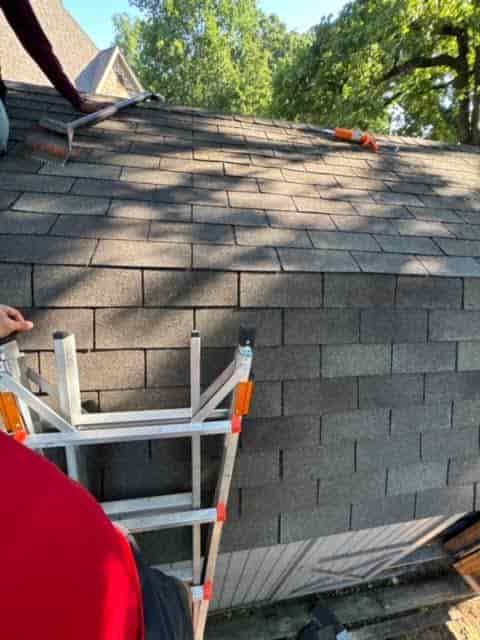
The job starts with inspection and scope. That means identifying storm damage, checking visible transitions, and deciding whether repair still makes sense or whether full replacement is the cleaner answer.
Then comes tear-off and deck review. Once the old shingles are off, the crew can see what the roof deck is telling them. Soft spots, damaged sheathing, exposed fastener issues, and flashing trouble all show up here.
After that, the roof gets dried in. Underlayment, eave details, and starter material are not side notes. They're what give the roof its backup protection before the field shingles go down.
Why installation details decide whether the roof lasts
Superior crews distinguish themselves from fast crews through attention to detail. ARMA data shows misaligned nails can increase the risk of shingle failure in 90 mph winds by 40%, which is why proper nailing, underlayment, and starter strips matter so much on asphalt systems, as outlined in this asphalt shingle installation specification guide.
That's not a cosmetic issue. A nail set too high, too low, or angled wrong can compromise the shingle's hold. A roof can look clean and still be one wind event away from tab loss.
A sound process usually includes:
- Deck prep and cleanup so nothing sharp or loose gets trapped under the new system.
- Correct underlayment laps based on slope and application.
- Starter strip installation at the eaves and rakes where required.
- Field shingle placement and nailing in the proper zone.
- Flashing and vent detailing so water exits where it should.
Solar homes need one more layer of planning
If your house has rooftop solar, reroofing gets more technical. Panels and mounts usually need to be detached and reset correctly so the new roof can be installed without cutting around old hardware or creating future leak points.
That work has to be coordinated before the tear-off starts. If it isn't, the homeowner usually ends up with delays, warranty questions, or a crew improvising around expensive equipment. In practice, the smoothest solar reroofs happen when the detach-and-reset scope, schedule, and reinstallation details are set early instead of treated as an afterthought.
Hail King Professionals handles asphalt reroofing along with solar panel detach-and-reset for homes that need both scopes coordinated on the same project.
Navigating Your Roof Insurance Claim Like a Pro
Insurance is where many roof jobs go sideways. Not because the damage isn't real, but because the documentation is weak, the inspection is rushed, or the homeowner assumes the first adjuster visit settles everything.
NRCA data indicates that 30% of roof damage insurance claims fail due to poor initial inspections, which is why detailed documentation and transparent reports for the adjuster matter so much, as noted in this summary discussing roof claim inspection failures.
What to do before the adjuster arrives
Start with documentation. Take clear photos of the roof from safe ground positions, visible interior leak evidence, damaged soft metals if present, and any collateral storm signs around the property. Keep records of the storm date and any emergency mitigation you had done.
Then make sure the contractor inspection is specific. A useful report doesn't just say “hail damage present.” It identifies where the damage is, what materials are affected, and what full-scope work is needed to restore the roof properly.
The contractor's role and the homeowner's role
The homeowner files the claim and communicates with the carrier. The contractor documents conditions, explains the repair scope, and helps identify missing line items when the initial estimate doesn't reflect what the roof requires.
That distinction matters. You want a roofer who understands supplements and line-item gaps, but you don't want vague promises about “covering your deductible” or backdoor shortcuts. Those are red flags.
Good claim handling usually looks like this:
- Clear inspection notes: The adjuster can follow the findings without guesswork.
- Scope matching: The contractor's repair or replacement scope aligns with storm-related conditions.
- Supplement support: Missing items get documented and submitted properly.
- Consistent communication: Homeowner, carrier, and contractor stay on the same page.
If the first insurance scope leaves out code-related items, accessory materials, or legitimate storm-related work, that isn't always the final answer. It may just be the first draft.
A useful mindset for any property claim
Even though it's from a different trade, this roundup of Perth tree insurance claim advice is a good reminder that claim success usually comes down to the same basics: documentation, timing, and not assuming the insurer already sees the full picture.
The homeowners who do best in roof claims usually aren't the loudest. They're the most organized.
Your Checklist for Choosing the Right DFW Roofing Contractor
Most roofing problems aren't caused by asphalt shingles as a category. They're caused by poor installation, weak documentation, vague estimates, or crews that disappear once the check clears. If you're searching asphalt shingle roofing near me, the contractor matters as much as the product.
What to verify before you sign
Use a short checklist and stick to it.
- Insurance and business legitimacy: Ask for proof of insurance and confirm you're dealing with a real local operation, not a storm-chasing pop-up.
- Detailed scope of work: The bid should spell out tear-off, underlayment, starter material, flashing treatment, cleanup, and warranty terms.
- Storm claim competence: If hail is involved, the contractor should be able to produce inspection photos and explain claim documentation clearly.
- Solar coordination if needed: If panels are on the roof, ask exactly who handles detach-and-reset and how scheduling is coordinated.
- Communication quality: If they dodge simple questions now, they won't get easier to work with once the job starts.
Red flags that usually lead to trouble
A few warning signs come up again and again:
| Red flag | Why it matters |
|---|---|
| Vague estimate language | Lets the contractor change the scope later |
| Pressure to sign immediately | Usually benefits the salesperson, not the homeowner |
| No discussion of accessories | Means critical parts of the system may be skipped |
| No clear plan for insurance or solar | Creates delays and costly surprises |
The right roofer should make the process feel clearer, not more confusing.
A dependable DFW contractor should be able to inspect quickly, explain options without the sales pitch, document storm damage thoroughly, and install the roof to code with attention to the details that keep water out. If they can also coordinate exterior items like gutters, screens, or fencing when storm damage spreads beyond the roofline, that helps keep the project from turning into a patchwork of separate crews and separate problems.
If you need a clear next step, Hail King Professionals offers free, same-day roof inspections for homeowners in Dallas-Fort Worth and East Texas. If your roof was hit by hail, is starting to leak, or needs replacement with solar panel coordination, get the property inspected before small issues turn into expensive ones.