
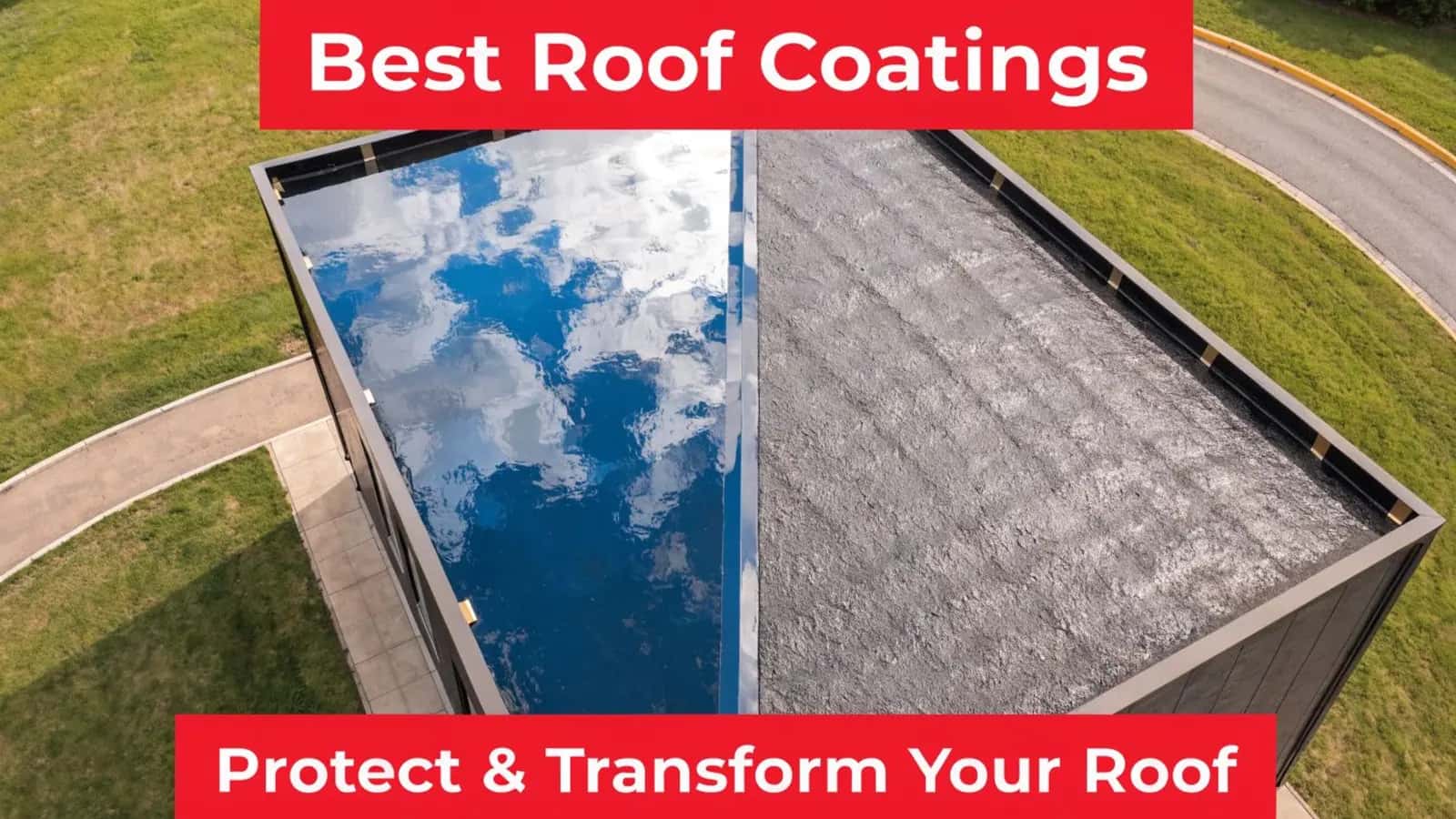
If you're looking at a flat roof in Texas right now, the usual signs are probably already there. The top layer looks tired. Seams or old patch areas are starting to show. Water sits longer than it should after a storm. Inside the building, you may not have an active leak yet, but you know you're getting close.
That’s when most owners start comparing a full replacement against a coating system. In the right situation, a coating can be the smarter move. In the wrong situation, it turns into an expensive delay tactic.
The best roof coatings for flat roofs aren’t just the brightest white products on a brochure. In Texas, the right choice has to deal with three things at the same time: hail, brutal sun, and ponding water. If a coating can’t handle those, it doesn’t matter how good the sales pitch sounds.
Why Smart Texas Property Owners Choose Roof Coatings
A lot of Texas property owners reach the same point the same way. The roof isn’t completely shot, but it’s no longer trustworthy. HVAC bills feel too high in summer. After a heavy storm, someone walks the roof and sees low spots holding water. The building still has useful roof life left, but not enough confidence left.
That’s where coatings make sense. A good coating system can restore serviceable roofs, seal vulnerable areas, improve reflectivity, and buy meaningful time without the disruption of a tear-off. For many owners, that’s the primary value. Not just “making it white,” but preserving an asset that would otherwise keep getting weaker every season.
Why coatings have become mainstream
This isn’t a niche repair method anymore. The market for plastic resins used in liquid-applied roof coatings is forecasted to reach 55.3 million pounds in 2028, which reflects broad adoption as owners look for proven systems that help protect buildings from regional weather stress, according to the Freedonia Group’s liquid-applied roof coatings market study.
That growth tracks with what contractors see in the field. Owners are trying to avoid unnecessary tear-offs, extend roof life where the substrate is still viable, and lower the chances of recurring leak calls.
Practical rule: A coating is a restoration strategy, not a miracle cure. If the insulation is saturated, the deck is compromised, or the roof system has widespread failure, coating over it won’t fix the real problem.
A coating also fits into a broader water-management plan. Roofs fail faster when water is allowed to keep finding weak points around walls, penetrations, and drainage transitions. If you're dealing with building envelope issues beyond the roofline, this guide on protecting DFW homes from water damage is worth reading because it shows how exterior moisture problems often connect instead of staying isolated to one surface.
What owners usually want from a coating
Most buyers aren’t asking for a chemistry lesson. They want practical outcomes:
- Longer roof life: Delay replacement if the existing system is still a good candidate.
- Lower heat load: Reduce solar gain on roofs that bake all day.
- Less leak exposure: Add a continuous protective layer over aging surfaces.
- Minimal disruption: Keep operations moving with less mess than a tear-off.
In Texas, that last point matters more than people think. Commercial roofs don’t fail on a convenient schedule. They fail during hot stretches, storm seasons, tenant turnover, or busy production cycles. A well-chosen coating can be a cost-effective answer, but only if the material matches the roof and the contractor handles prep correctly.
Understanding Roof Coating Fundamentals
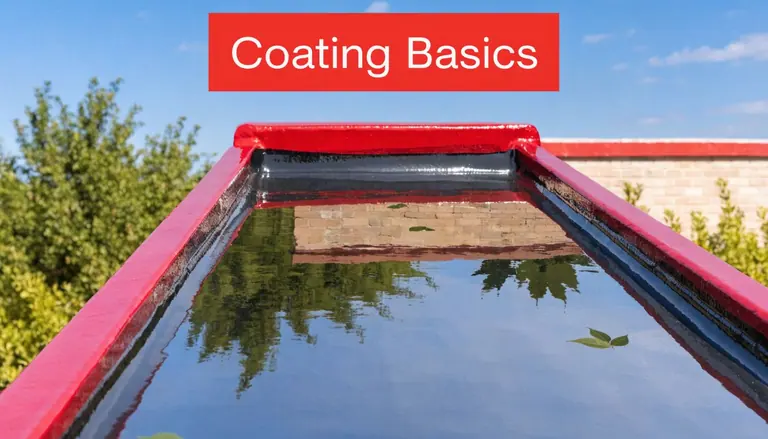
A roof coating is not paint, and it’s not the same thing as replacing the roof. It’s a liquid-applied membrane designed to cure into a continuous protective layer over an existing roof system. The goal is restoration and protection, not cosmetic cover-up.
That distinction matters because owners often get sold on appearance instead of performance. A roof can look cleaner and still be a bad coating candidate. Key questions include whether the substrate is dry, whether the existing system is stable, and whether the coating chemistry matches the roof type and exposure conditions.
What a coating does and doesn’t do
A coating can seal weathered surfaces, protect against UV, improve reflectivity, and create a continuous protective layer over many common flat roof substrates. It can also bridge small surface imperfections and reinforce repaired areas when paired with the right detailing.
It won’t correct structural deflection, replace wet insulation, or solve drainage design problems by itself. If water ponds because the roof has low areas or blocked drainage, the coating still has to live with that condition. Some chemistries handle it well. Others don’t.
Three terms worth understanding
When you read a data sheet or a proposal, these are the terms that tell you whether you’re looking at substance or fluff.
Solids by volume
This tells you how much of the applied product remains on the roof after curing. Higher solids generally mean more of what you paid for stays behind as protective film instead of evaporating off during cure.
That doesn’t automatically make one product “best,” but it does affect film build and long-term wear. On flat roofs, especially in harsh sun, thin cured films don’t hide for long.
Elongation
Elongation measures how much a cured coating can stretch before it fails. Flat roofs in Texas move constantly from heat, cooling cycles, and weather swings. Coatings need enough flexibility to move with the roof instead of splitting at stress points.
This becomes even more important around penetrations, transitions, old seams, and roofs exposed to hail. A flexible membrane has a better chance of absorbing movement and impact without opening up.
Solar Reflectance Index
Solar Reflectance Index, often shortened to SRI, is a measure tied to cool-roof performance. In simple terms, it helps indicate how well a roof surface reflects solar energy and rejects heat.
For owners, the practical takeaway is straightforward: a coating with strong reflectivity can help reduce heat loading on a building. But reflectivity alone shouldn’t drive the decision. A highly reflective coating that fails in ponding water is a poor choice for a roof that holds water after every storm.
The best coating isn’t the one with the flashiest energy claim. It’s the one that matches the roof’s drainage, traffic level, substrate, and weather exposure.
The right mindset before comparing products
Before you compare silicone, acrylic, polyurethane, or asphaltic products, treat the roof coating decision like this:
- Start with the roof condition: Dry, stable, and repairable comes first.
- Match chemistry to exposure: Ponding water, UV, hail, and foot traffic matter more than branding.
- Verify the application plan: Thickness, primer needs, detailing, and cure time all affect outcome.
Owners who understand those basics tend to make better decisions because they stop shopping by bucket label and start shopping by system performance.
A Detailed Comparison of Flat Roof Coating Materials
A Texas flat roof can look fine on Monday, take a hard rain on Tuesday, bake in 102-degree sun by Friday, and catch hail the next week. That cycle exposes the difference between a coating that only looks good on a product sheet and one that survives local conditions.
The best roof coatings for flat roofs are not interchangeable. On real buildings, the right choice usually comes down to four things. How the roof drains, how much foot traffic it takes, what substrate you are coating over, and how much abuse you expect from sun, hail, and thermal movement.
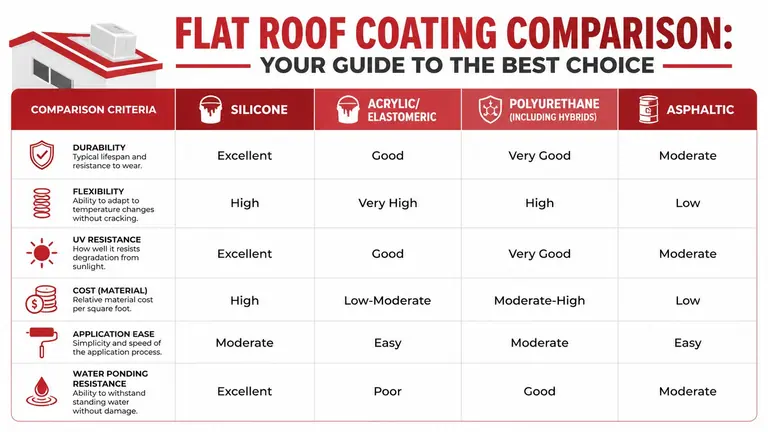
Use the table as a starting point, not the final answer.
| Flat Roof Coating Comparison | Cost/Sq. Ft. (Installed) | Lifespan (Years) | Ponding Water Resistance | Hail/Impact Resistance |
|---|---|---|---|---|
| Silicone | $1.50-$2.50 | 15-20 | Excellent | Good, especially where flexibility matters |
| Acrylic/Elastomeric | $0.80-$1.20 | 10-15 | Poor | Fair, best on well-drained roofs |
| Polyurethane and hybrid systems | Qualitatively higher than basic acrylic options | 15-20 for Ure-A-Sil systems | Good to excellent depending on system design | Very good, especially in high-traffic or abrasion-prone areas |
| Asphaltic | Qualitatively lower-cost option | 5-10 | Moderate | Moderate |
| Bitumen-based aging roof restoratives | Qualitative only | Qualitative only | Moderate at best | Fair to moderate |
Silicone coatings
Silicone earns its reputation in Texas because it handles two common flat-roof problems well. Long UV exposure and recurring ponding water. That matters on older commercial roofs where low spots remain even after repairs.
Henry reports that reflective silicone systems have shown lower summer energy use than black asphalt roofs, with high initial reflectance ratings in CRRC testing, as shown in this analysis of silicone coatings for flat roofs.
Biggest Texas advantage: Silicone is usually the safest choice when a flat roof holds water after storms and full drainage correction is not realistic.
In the field, silicone is often the coating I trust most on roofs with chronic birdbaths, broad open exposure, and limited tolerance for leak risk. It stays flexible, resists sun damage well, and usually gives owners a better shot at long-term performance than acrylic on the same roof.
It does have trade-offs. The upfront cost is higher. Dirt pickup can reduce brightness over time. Wet surfaces can get slick, and future repairs usually need compatible silicone products instead of whatever another crew has in stock.
Acrylic and elastomeric coatings
Acrylic still makes sense on the right roof. It is often the lower-cost path for owners who want reflectivity and have a roof that drains well.
That last part matters.
Acrylic coatings can perform well on roofs with decent slope, clean drainage, and limited standing water after storms. They are also a familiar system for many crews, which can help with application consistency when the contractor respects the product limits.
Texas is where acrylic gets exposed fast. A roof with low spots, clogged scuppers, HVAC congestion, or regular storm runoff can push acrylic past its comfort zone. If the roof stays wet, the lower initial price often stops looking like a bargain.
Where acrylic works best
- Budget-driven restoration: When replacement is not needed and drainage is dependable
- Well-drained roofs: Where water sheds quickly after rain
- Reflectivity-focused projects: When heat reduction matters more than ponding resistance
Acrylic is a value option, not a cure-all. On the wrong roof, it becomes a shorter maintenance cycle.
Polyurethane and hybrid systems
Polyurethane systems are built for harder use. They generally offer stronger abrasion resistance, better toughness under traffic, and strong adhesion on many substrates. That makes them worth serious consideration on commercial roofs with service paths, rooftop equipment, or maintenance crews crossing the surface regularly.
In Texas, that toughness matters for more than foot traffic. It also matters after hail, especially when the roof already has mechanical wear and surface stress. A coating that handles impact and scuffing better can give an owner more margin before small damage turns into leak paths.
Hybrid systems deserve attention here. Ure-A-Sil combines a urethane base with a silicone top layer, aiming to pair adhesion and toughness with better UV and moisture resistance. According to Allstate Waterproofing’s technical overview, the Ure-A-Sil roof restoration system overview describes service-life extension and cooling-cost benefits when the system is applied over a properly prepared substrate.
These systems usually cost more than entry-level acrylics, but there are roofs where that extra money is well spent. Service-heavy retail centers, medical buildings, schools, and properties with frequent rooftop access are common examples.
Asphaltic coatings
Asphaltic and bitumen-based coatings still have a place, mostly on aging asphalt-based roof systems where compatibility and cost control matter more than premium reflectivity. They are often used as part of a practical maintenance plan, especially when the owner needs to buy time instead of funding a full restoration package right away.
Their limits are clear. They generally do not hold up to Texas sun as well as high-quality white reflective systems, and they are usually not my first choice for roofs that deal with chronic ponding water and repeated heat stress. Over time, they can dry out, weather, and crack sooner than better-matched alternatives.
When asphaltic coatings still make sense
- Older asphalt-based roofs: Where material compatibility is a priority
- Short-term budget planning: When the goal is controlled life extension
- Targeted maintenance work: Instead of a higher-end restoration system
So which material wins
The usual ranking looks like this on Texas properties:
- Best for ponding water and long UV exposure: Silicone
- Best low-cost option on well-drained roofs: Acrylic
- Best for traffic, abrasion, and tougher service conditions: Polyurethane or hybrid systems
- Best fit for older asphalt-based roofs on tighter budgets: Asphaltic coatings
The right answer depends on what the roof has to survive. If hail, heat, and standing water are all in the picture, chemistry matters, but system design matters just as much. A good contractor should be able to explain why a coating fits your roof, where it falls short, and what prep or reinforcement is needed to make it hold up.
Matching Your Coating to Texas Weather and Roof Type
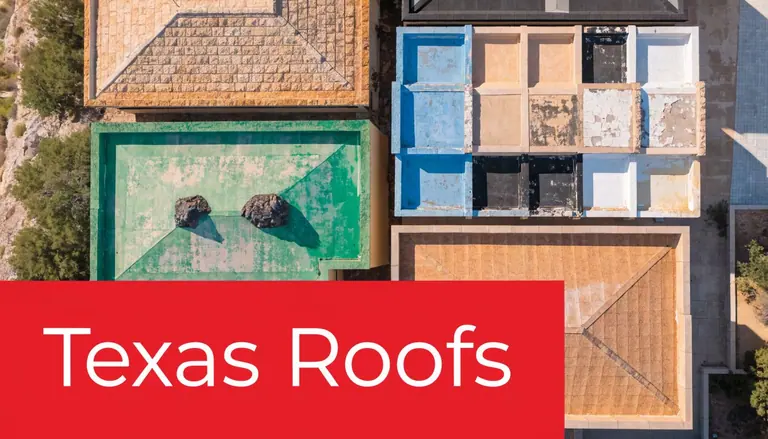
Texas doesn’t give roofs a gentle test cycle. Heat bakes surfaces for months, hail can show up fast, and many flat roofs keep water longer than they should because of age, settlement, or drainage design. The right coating has to fit those realities, not just the product label.
Start with the weather problem you actually have
If the main issue is ponding water, silicone usually moves to the front of the line. It’s especially strong on flat roofs that stay wet after storms and on buildings where drainage improvements will help but won’t fully eliminate low spots.
If the roof gets regular foot traffic, a polyurethane-based or hybrid system deserves a hard look. Service technicians, maintenance crews, and rooftop equipment all create wear patterns that a softer or less abrasion-resistant membrane may not love.
If the building takes relentless sun all day and the owner wants stronger thermal performance, reflective systems matter. But in Texas, reflectivity should follow suitability. A reflective coating that can’t survive the roof’s drainage pattern is the wrong answer.
Hail changes the conversation
A lot of flat roof coating guides spend pages on UV and almost nothing on impact. That’s a mistake for North Texas. A coating may look excellent on paper and still be a weak choice if hail resistance, cure timing, and rating status aren’t addressed.
A 2024 ARMA study noted that uncured coatings can crack under 1.75-inch hail, reducing lifespan by 40%, and the same summary notes that post-2025 data showed a rise in claim denials for unrated coatings in DFW, as discussed in this guide to flat roof coatings and hail concerns.
A coating does not become hail-ready just because it’s thick or flexible. It has to be fully cured, correctly specified, and part of a roof system that makes sense for the building and the insurer.
That point gets missed all the time. Owners hear “monolithic,” “elastomeric,” or “impact resistant” and assume they’re covered. They may not be.
Match the coating to the substrate
Different roof types also change the recommendation.
BUR and modified bitumen
These roofs often take coatings well if the surface is stable and dry. Silicone and hybrid systems are common candidates. Asphaltic coatings may also fit some restoration plans where compatibility and budget are driving factors.
Metal
Metal roofs benefit from coatings that can handle fastener movement, seams, and expansion. Adhesion and detailing matter here as much as the field coating itself. Some silicone systems perform well, and certain hybrids can be strong choices where movement and weathering are pronounced.
Single-ply systems like EPDM or TPO
These require more caution. Some can be coated successfully, but surface prep and primer selection become critical. A contractor should test adhesion and confirm that the chosen system is intended for that membrane.
Simple Texas fit guide
- Persistent ponding after storms: Silicone is usually the safest bet.
- Equipment-heavy commercial roof: Polyurethane or hybrid systems often hold up better.
- Budget restoration on a well-drained roof: Acrylic may work if the drainage is accurately assessed.
- Aging asphalt-based roof: Asphaltic or compatible restoration systems can be practical.
- Hail-prone property with insurance concerns: Ask for proof the proposed system is appropriate for impact exposure and won’t create claim headaches later.
The best answer is rarely the cheapest bucket and rarely the most expensive one by default. It’s the system that matches the roof’s failure pattern.
Key Steps for a Successful Roof Coating Application
A Texas owner usually calls for coating work after the same pattern. A hard rain blows through, water sits on the roof for a day or two, the sun comes back hot, and a small leak turns into a bigger one around a drain, seam, or rooftop unit. At that point, the product matters. The install matters more.
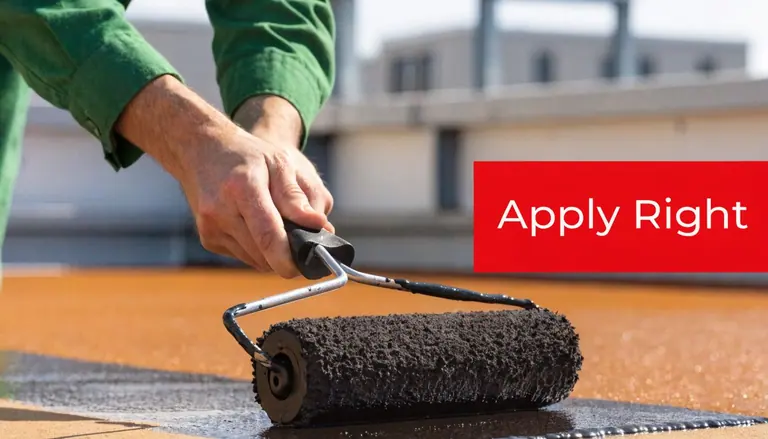
Step one means a roof inspection, not a quote from the ground
A coating job should start with the roof’s actual condition. That means checking for wet insulation, split seams, open laps, loose flashing, old patch failure, storm damage, and low areas that keep holding water after Texas rains. If hail has already bruised the membrane or loosened surfacing, coating over it does not fix the problem. It hides it for a while.
Good contractors also check adhesion, roof movement, and substrate condition before they lock in a system. On some roofs, that means test patches. On others, it means moisture scans or core samples. Owners save money here by slowing down first, not by skipping the investigation.
Prep decides whether the coating lasts
I have seen expensive coatings fail early for one simple reason. The crew put them over dirt, chalk, trapped moisture, or loose repairs.
Prep work is where solid jobs separate from short-lived ones. The roof has to be cleaned well enough for the coating to bond. Damaged seams, penetrations, blisters, drain areas, and flashing details need repair before the field coating starts. If the roof has grease near exhaust fans, leftover granules, old peeling coating, or biological growth, all of that has to come off.
A contractor who spends more time talking about reflectivity than repair scope is usually selling a bucket, not a system.
For owners who want to see the sequence before work begins, this step-by-step guide on how to apply roof coating gives a useful overview.
Prep work usually includes
- Cleaning the surface thoroughly: Remove debris, dust, residue, loose coating, and contaminants that interfere with adhesion.
- Repairing defects before coating: Fix seams, flashing, punctures, cracks, and failed patch areas first.
- Letting the roof dry fully: Moisture under a coating often leads to blisters, adhesion loss, and repeat leaks.
- Checking compatibility: Confirm the coating system is approved for the existing roof and primer, if one is needed.
Primer, reinforcement, and film thickness affect real performance
Some roofs need primer to get reliable adhesion. Some do not. The answer depends on the membrane, the age of the surface, and the coating system being installed. Weathered single-ply, rusty metal, and patched areas often need more attention than the open field of the roof.
Reinforcement matters too, especially in Texas. Seams, penetrations, drains, corners, and transition areas usually fail before the main field does. If a contractor skips extra fabric or flashing-grade material where the roof moves, those weak points tend to show up first after heat cycles, hail, and standing water.
Thickness also needs to be controlled, not guessed. A coating applied too thin around ponding zones or rooftop traffic paths will usually wear out there first. Warranty language sounds good on paper, but poor prep, weak detailing, and uneven coverage are what owners end up paying for later.
A long warranty does not correct a bad installation. It usually gives the manufacturer a reason to deny the claim if the roof was not prepared and applied to spec.
Cure time and closeout should be taken seriously
Texas weather creates pressure to finish fast, especially during storm season. Rushing the job creates its own problems. Coatings need the right temperature, surface condition, and weather window to cure correctly. If a system gets hit by rain too early, opened to foot traffic too soon, or applied late in the day with heavy humidity coming in, performance can suffer quickly.
Before final payment, the owner should get a walkthrough and clear documentation. That includes confirming coverage rates, repaired detail areas, reinforced transitions, drain treatment, and any spots that required special prep. A contractor who can show wet mil readings, repair photos, and a clear maintenance plan is usually a safer bet than one who only hands over a warranty sheet.
Your Final Roof Coating Decision Checklist
A flat roof in Texas can look serviceable on a dry day and still be the wrong candidate for a coating. Then the next hailstorm hits, water sits around a drain for two days, and the owner finds out too late that the system was chosen for price instead of conditions. That is usually where bad coating decisions show up.
Before you sign a contract, slow the process down and force a few direct answers.
Questions to ask yourself about your roof
- Does water sit on the roof after a storm? If it does, put ponding resistance near the top of the list. Some coatings tolerate standing water far better than others.
- What substrate are you coating? BUR, modified bitumen, metal, EPDM, and TPO do not all accept coatings the same way, and some need extra prep or a different system entirely.
- Is this roof still restorable? A wet insulation package, trapped moisture, widespread splitting, or structural movement can turn a coating job into a short-term patch.
- What problem are you trying to solve first? Lower rooftop temperatures, stop minor leaks, buy time before replacement, or extend service life are all different goals.
- How much abuse does the roof take? Heavy HVAC traffic, service carts, grease exposure, and storm debris all change what will hold up.
Texas owners should also ask one more question. How much hail exposure does this building really get? A coating can improve weather resistance, but it does not make a weak roof assembly hail-proof. In hail-prone areas, the coating choice should fit into a broader storm-resilience plan that includes drainage, edge securement, rooftop equipment protection, and realistic repair access.
Questions to ask your contractor
These questions separate a roof contractor from a product pusher.
- How are you confirming the roof is a good coating candidate?
- What coating system are you recommending for this specific substrate and drainage pattern?
- Where do you expect this roof to wear first in Texas heat and storms?
- How will you handle drains, seams, penetrations, curbs, and old repair areas?
- What thickness are you installing, and how will you document it?
- How does this system perform under ponding water, hail, and long UV exposure?
- What maintenance will this roof need to keep performing and stay in warranty?
Good answers are specific. You want to hear how they plan to treat your actual roof, not a generic sales pitch about a brand name coating.
Thickness still matters here, but the bigger point is fit. A silicone system may be the right call on a roof with chronic ponding. An acrylic may pencil out well on a metal roof with positive drainage and strong reflectivity goals. A polyurethane may make more sense where impact resistance and foot traffic matter. The right answer changes with the roof.
What usually signals trouble
- The same coating is recommended for every building
- The proposal talks about washing, but says little about repairs
- No one will commit to a target dry film thickness
- The contractor avoids direct discussion of hail and ponding water
- Substrate compatibility gets brushed off
- There is no written closeout package with photos, measurements, and maintenance guidance
The best coating decision addresses the roof’s weaknesses before the next storm.
Partnering with Hail King for Your Roofing Project
If you own property in DFW or East Texas, local weather experience isn’t a bonus. It’s part of the job. Flat roofs here need decisions based on hail risk, drainage reality, heat load, and code-compliant installation.
That’s where commercial flat roof coatings from Hail King Professionals stand out. The company has served Dallas-Fort Worth and East Texas since 1991, with licensed and insured crews, free same-day inspections, transparent repair or replacement guidance, and a strong working knowledge of storm-related roof issues.
Hail King’s service approach lines up with what coating projects require. That includes evaluating whether the roof is a real candidate for restoration, checking compatibility across common flat-roof substrates, and recommending solutions that fit the building instead of forcing a one-size-fits-all product.
For owners juggling hail damage, insurance questions, rooftop equipment, or solar detach-and-reset logistics during reroofing, that experience matters. The company also offers financing with soft credit checks, no prepayment penalties, and no home-equity requirement, which can help owners move forward without cutting corners on material or workmanship.
The best coating job starts with an honest assessment. Sometimes the answer is restoration. Sometimes it’s repair. Sometimes it’s replacement. The right contractor should tell you which one protects the building.
Frequently Asked Questions About Flat Roof Coatings
Can I DIY a flat roof coating project
Small patch work and maintenance touch-ups are one thing. A full coating project is different. The biggest risks are hidden moisture, poor cleaning, bad detailing, wrong film thickness, and coating a roof that shouldn’t be coated at all.
Most failures don’t happen because the owner rolled product unevenly. They happen because the prep and diagnosis were wrong from the start.
Will a new coating affect my insurance or roof warranty
It can. That depends on the existing roof system, the product being installed, whether the system is rated appropriately, and whether the installation follows manufacturer requirements. This is especially important in hail-prone areas.
Ask both your contractor and your carrier what documentation you should keep. Product data, application records, and final inspection notes all matter.
How often do coated flat roofs need maintenance
They still need inspections and cleaning. Drains clog. Debris collects. Service trades damage roof surfaces all the time without meaning to. A coated roof isn’t maintenance-free. It’s easier to maintain than a neglected aging roof system.
A smart owner schedules routine reviews, keeps drainage paths open, and addresses punctures or damaged detail areas early.
Are coatings always better than replacement
No. Coatings are best when the existing roof is still structurally sound and dry enough to restore. If the underlying system is failing broadly, coating over it just delays the inevitable and can complicate the next project.
Good contractors don’t force coatings where replacement is the honest answer.
If your flat roof is aging, holding water, or taking repeated storm exposure, Hail King Professionals can inspect it and tell you whether a coating system makes sense or whether another path will protect the property better. Their team serves Dallas-Fort Worth and East Texas with same-day inspections, clear recommendations, and roofing solutions built for real Texas weather.