


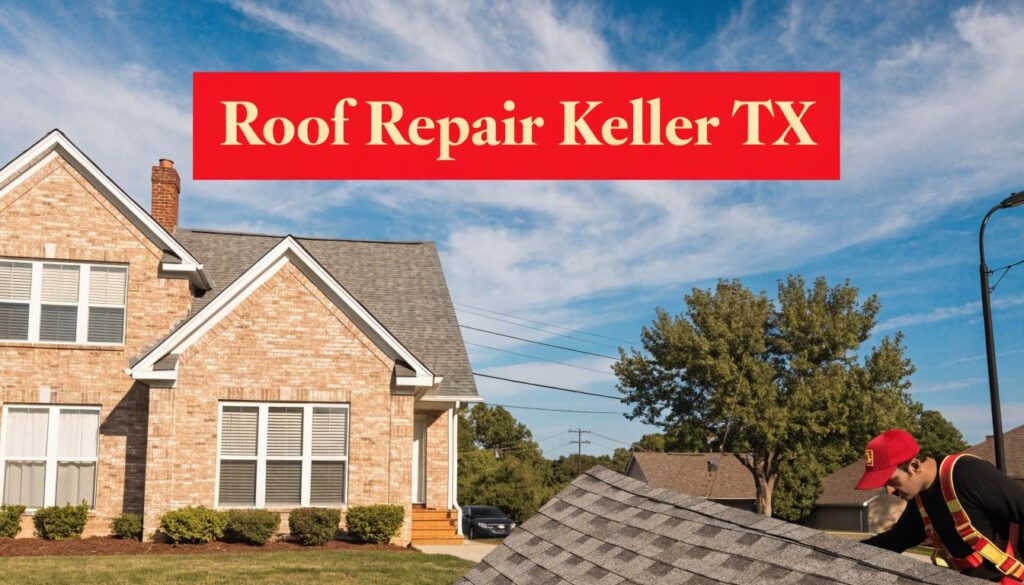
Roof Repair Keller TX: Expert Storm Damage Solutions
The hail stops, the street gets quiet, and then everyone in Keller does the same thing. They step outside, look at the flower beds, check the cars, and then stare up at the roof wondering what just happened.
That moment is usually when the stress starts. You may not see water inside the house yet, but you know North Texas storms can do damage that doesn’t show up from the driveway. A roof can look mostly fine from the ground and still have bruised shingles, broken seal strips, dented vents, or flashing damage that turns into leaks later.
The hard part isn’t just fixing the roof. It’s figuring out what to do first, what to document, what to tell your insurance company, and how to avoid getting pushed into a bad decision. That’s where most homeowners get stuck.
The Storm Is Over What Happens Next
A common Keller storm morning looks like this. The patio is covered in leaves, a few fence pickets are leaning, and your neighbor is already checking his gutters. You walk around the house, notice a couple of dents on a downspout, and start wondering if the roof took the same hit.
That’s the right instinct.
After hail or high wind, the biggest mistake homeowners make is waiting for an interior leak before taking action. By the time you see a water stain on a ceiling, the storm damage may have already moved past the shingle layer and into the underlayment, decking, or flashing details. In Keller, where storms can hit hard and fast, hidden damage is what turns a manageable repair into a much larger project.
The first priority is safety. Stay off the roof. Wet shingles, loose granules, and soft spots make a damaged roof dangerous even for people who are used to ladders. If the storm also dropped limbs, handle those hazards from the ground first. If you’ve got branches on the roof or hanging over access points, this homeowner's guide for storm tree damage is a useful companion resource before any roofing work starts.
Start with a calm walkaround
Don’t try to diagnose everything in one pass. Just look for clues:
- Metal dents: Gutters, vents, flashing, mailbox tops, and garage door trim can all show hail impact.
- Debris patterns: Heavy branch drop in one area often tells you where wind pressure hit hardest.
- Fresh granules: If you see a buildup near downspout outlets, the shingles may have taken a beating.
- Interior warning signs: New spots on ceilings, wet insulation smell in the attic, or drip marks around vents need fast attention.
The goal on day one isn’t certainty. It’s preserving evidence, preventing more damage, and getting a qualified inspection before small issues spread.
That’s the practical path through roof repair keller tx homeowners need. Clear steps, good documentation, and no guessing.
How to Identify Roof Damage on Your Keller Home
The morning after a Keller hailstorm, a lot of homeowners stand in the driveway and wonder the same thing. Is the roof really damaged, or does it just look rough from the yard?
You can answer part of that question from the ground. That is the safest place to start, and it gives you enough information to decide whether you need a roofer, an emergency repair, or documentation for an insurance claim.

What you can spot from the driveway
Start at the top of the roofline and work down slowly. Use binoculars or your phone zoom, and check each slope instead of giving the roof one quick glance.
Look for missing shingles, tabs that are lifted, creases from wind fold-back, and areas where shingles no longer sit flat. Pay close attention to ridge caps, valleys, pipe boots, vents, flashing lines, and gutter edges. In real storm damage inspections, those are often the first places where problems show up.
Then look at the rest of the property. Hail usually leaves evidence beyond the shingles. Dents in gutters, downspouts, metal roof vents, mailbox tops, garage door trim, window screens, and condenser fins can tell you how hard the storm hit and which side of the house took the brunt of it. That matters later if your adjuster questions whether the roof saw enough impact to justify repairs.
Cosmetic marks versus functional damage
Homeowners often get tripped up concerning roof damage. A roof can have visible marks that do not affect performance, and it can also have damage that looks minor from the ground but shortens the roof's life or opens a path for leaks.
On asphalt shingles, the primary concern is usually loss of protective granules, fractured matting, bruising, or broken seal strips. Those conditions can let water in over time, especially around penetrations and slope transitions. Insurance carriers also look closely at whether the damage affects the roof's ability to shed water, not just whether the shingles look ugly.
That is one reason documentation matters so much in Keller storm claims. If you only tell the carrier, "the roof looks bad," that is weak evidence. If you can show collateral damage on soft metals, note the affected slopes, and pair that with a contractor's inspection photos, the claim file is much stronger.
A simple way to stay organized is to use a roof inspection checklist template for homeowners while you walk the property. It helps you record what you saw before the adjuster meeting, which makes your timeline and damage notes more consistent.
Practical rule: If hail dented metal fixtures or wind displaced shingles anywhere on the property, schedule a professional roof inspection even if no leak has shown up yet.
Areas homeowners miss all the time
The main shingle field gets all the attention, but some of the most expensive problems start in smaller details.
- Flashing and wall tie-ins: Chimneys, skylights, sidewalls, and roof-to-wall transitions can separate or loosen during wind events.
- Vents and pipe boots: Cracked neoprene, lifted collars, and storm-hit vent caps often lead to slow leaks.
- Ridge caps and hip caps: Wind can crease or loosen these before damage shows on lower rows.
- Valleys: Fast water flow makes valley damage more serious than a similar mark in an open field shingle.
- Attic clues: Damp insulation, staining on decking, rusted nail tips, or a musty smell often confirm the roof took on water.
Those details also matter during the insurance process. Adjusters and contractors both photograph accessories, flashing, and soft metals because they help establish storm direction, impact severity, and whether the loss is isolated or spread across multiple elevations.
If you want a quick visual on what storm inspection looks like in practice, this short walkthrough is useful before you schedule your own assessment.
When to stop self-checking and call for help
A ground review is enough for a homeowner. If the roof is steep, high, wet, or visibly torn up, stay off it.
A proper storm inspection includes close review of shingle condition, seal strips, flashing, vents, exposed accessories, and any test areas needed to confirm hail strikes or wind creasing. That inspection also creates the photo set and written notes you may need when the insurance adjuster arrives.
Good roof repair keller tx work starts with a clear inspection, clear evidence, and a claim file that matches what is on the roof.
Your First Steps to Protect Your Property
The first day after a storm is about control. Not perfection. You’re trying to keep the house dry, preserve evidence, and avoid a bad insurance paper trail.
Do these first
Photograph everything before cleanup
Take wide shots of each roof slope from the ground if possible. Then photograph gutters, downspouts, screens, fence damage, fallen branches, dented vents, ceiling stains, and anything wet inside the attic or garage. Date-stamped photos help later.Make a short damage log
Write down the storm date, what you heard or saw, when you noticed damage, and whether any leaks started right away or later that evening. Keep it simple and factual.Prevent more water entry
If water is actively entering the house, move furniture, place buckets, and protect flooring. If the roof needs emergency covering, use a qualified roofer for tarping. Don’t try to drag a tarp over a damaged slope yourself.
What not to do
- Don’t throw away damaged materials immediately if they came off the roof and can help document the loss.
- Don’t pressure wash the roof or let anyone “clean it up” before inspection.
- Don’t sign paperwork you don’t understand from door knockers showing up right after the storm.
- Don’t tell the insurer the damage is minor if you haven’t had a trained inspection yet.
If a room is leaking, your obligation is to limit further interior damage. Your job is not to diagnose the roofing system from a ladder.
Get your paperwork together
Pull your insurance policy, deductible information, and any prior roof repair invoices. If you’ve had earlier patch work, gutter replacement, or solar work, keep those records handy. They can affect how a carrier reads the claim.
When you call your insurance company, stick to facts. Give the date of loss, say you believe the roof may have sustained storm damage, and request the next steps for inspection. Don’t guess at scope. Don’t debate replacement versus repair on that first call.
One more practical point. If a contractor is pushing you to skip documentation and “just let us handle it,” slow down. Good storm restoration starts with a clean paper trail. Photos, notes, emergency protection, and policy review all make the next stage easier.
Navigating the Roof Insurance Claim Process
The insurance side is where many Keller homeowners lose ground. Not because they don’t have damage, but because they don’t know how to present it, document it, or challenge an incomplete estimate.

Many homeowners run into claim problems because they don’t know what documentation insurers want or how to coordinate with adjusters. That documentation gap is a major pain point, and experienced contractors can help bridge it, as discussed in this guide to the storm damage insurance claim process.
What to do before the adjuster arrives
Have your file ready. That means photos, your storm date notes, any interior leak photos, and a list of visible exterior hits. Keep everything in one folder on your phone and one backup folder in email or cloud storage.
Then confirm the appointment window and ask whether the adjuster plans to inspect the roof personally or use other documentation methods. You want to know who is evaluating the damage.
A competent roofing contractor should also know how to prepare for that visit. The contractor’s role is not to argue for the sake of arguing. It’s to point out missed damage, identify functional issues, and explain why certain items belong in the scope.
Why contractor presence matters
Adjusters work fast. They may inspect several homes in a day after a major storm. That pace can lead to missed items, especially at flashings, soft metals, ridge details, detached accessories, or slope-specific damage patterns.
A contractor who has already inspected the roof can walk the adjuster through impact locations, show photo documentation, and identify where the roof system has functional compromise instead of surface wear. That’s often the difference between a thin estimate and a complete one.
A fair claim usually comes from a documented inspection, not from whoever speaks first.
If the house has rooftop solar, this meeting matters even more. Reroofing around solar requires coordination so panels can be detached and reset correctly without creating new problems for the roofing or electrical systems.
How to read the insurance paperwork
Once the insurer issues paperwork, don’t just look at the total. Read the line items.
Check whether the estimate includes all damaged slopes, ridge material, starter shingles, underlayment, flashing work, vents, drip edge where required, interior protection, debris haul-off, and code-related items where applicable. On many roof repair keller tx claims, the first estimate is incomplete rather than flatly denied.
If the numbers or scope don’t line up with actual damage, ask for a supplement review. That usually means providing photos, notes, and contractor input showing what was missed.
Red flags during the claim
Watch for these problems early:
- Scope mismatch: The insurer pays for a small patch, but the roof has wider functional damage.
- Missing accessories: Gutters, vents, screens, or soft metal damage get left off.
- Interior omission: Ceiling or attic damage isn’t included even though the roof leak caused it.
- Communication gaps: Nobody explains what recoverable depreciation, deductibles, or supplements mean in plain English.
Field note: If you can’t explain your own claim paperwork after reading it twice, stop and get help before signing off on the work.
The practical order that works
Here’s the process that usually keeps homeowners out of trouble:
- Document the loss with photos, notes, and emergency protection.
- Notify the insurer and open the claim.
- Get a professional roof inspection before or alongside the adjuster visit.
- Meet the adjuster with documentation ready.
- Review the estimate line by line.
- Request supplements if scope is missing.
- Approve repair or replacement only after scope is clear.
One practical option in the area is Hail King Professionals, which provides inspections, repair-or-replacement assessments, and storm-related coordination for homeowners working through claim decisions.
The main point is simple. Insurance paperwork isn’t the roof. It’s just the insurer’s first version of what the roof needs. Your job is to make sure that version matches the actual damage.
Deciding Between Roof Repairs and a Full Replacement
The right call here affects more than today’s leak. It affects how your claim is settled, how long the roof holds up, and whether you end up paying twice for the same storm.

Homeowners in Keller often hear two opinions after hail or wind damage. One contractor says the roof only needs a few repairs. Another says the whole system should be replaced. Both can be right in different situations. The decision comes down to spread of damage, age of the roof, shingle condition, repairability, and whether a partial fix will satisfy both building performance and the insurance scope.
When a repair is the right choice
A repair makes sense when the damage is limited and the rest of the roof is still doing its job.
That usually means one clear leak area, a small section of missing or creased shingles, isolated flashing damage, or a failed vent boot. If the surrounding shingles still have flexibility, the seal strips are holding, and the materials can be matched well enough to restore water shedding, a targeted repair can be a solid answer.
The key test is simple. The repair should solve the problem without creating a weak transition between old and new materials.
Repairs also make more sense on newer roofs with plenty of service life left. On those homes, replacing an entire roof for one localized issue can be more work than the roof requires.
When replacement is the better investment
Replacement becomes the smarter move when the storm damage is spread across multiple slopes, the shingles are brittle, or the roof already had age-related wear before the storm hit. In that situation, patching one area often leaves other failure points in place.
I also look closely at how the roof will perform after the work is done. If repairs will leave a checkerboard of old and new shingles, mismatched seal integrity, and repeated opportunities for leaks, replacement usually gives the homeowner a cleaner result and a stronger claim position. Insurance carriers may approve a repair first, but that does not always mean repair is the correct scope if the roof has broader functional damage.
That is where documentation matters. If a contractor can show creasing, fractured mat, failed seals, soft metal hits, and collateral damage across the system, the replacement argument becomes much easier to support.
A low repair bill is not a win if you are calling someone back after the next storm because the rest of the roof was already near failure.
Roof Repair vs. Full Replacement A Quick Comparison
| Factor | Choose Repair If… | Choose Replacement If… |
|---|---|---|
| Damage area | Damage is confined to one section and the rest of the roof is intact | Damage appears across several slopes or multiple roof components |
| Roof age and condition | Shingles still have useful life and can handle localized work | Shingles are brittle, worn, or already showing broad deterioration |
| Leak pattern | There is one clear entry point | Water may be entering through several compromised areas |
| Material match | New materials can integrate with the existing roof without performance issues | Matching is poor or patching would leave uneven performance and appearance |
| Claim strength | The carrier’s scope and field conditions support a focused repair | Site evidence supports full system restoration and supplements are likely needed |
| Long-term cost | One repair is likely to stop the issue | Repeated repairs are likely to cost more over time |
How insurance affects the decision
This is the part many articles skip. The insurer is not choosing between repair and replacement based on convenience. They are choosing based on what they believe they can justify from the field inspection and policy language.
For homeowners, that means the question is not only, “What does the roof need?” It is also, “What can be documented clearly enough to get approved?”
A good contractor should be able to explain both sides. If a repair is appropriate, the scope should be specific. If replacement is warranted, the file should show why repair will not restore the roof to a dependable condition. That can include widespread hail hits, broken seals, discontinued materials, or damage to accessories that make piecemeal work a poor fix.
If you are weighing the financial side, this breakdown of hail damage roof repair cost in Keller helps frame how repair pricing compares with broader restoration decisions.
The upgrade question that comes up during replacement
If replacement is approved, many Keller homeowners ask whether it makes sense to upgrade materials instead of installing the same shingle again. That is a fair question, especially in a hail-prone part of North Texas.
Impact-resistant shingles can make sense for some homes, but they are not an automatic yes. The trade-off is upfront material cost versus better hail resistance and possible insurance discounts. Ask for the numbers in writing. Ask whether the carrier offers a premium credit. Ask what warranty changes with the upgrade. Those answers matter more than a sales pitch.
For homes in colder climates, ice-related roof stress can also influence material choices and maintenance planning. This partner guide offers ice dam advice for Phoenix homeowners, though Keller homeowners usually deal with hail, wind, and heat more often than snow load issues.
What a careful homeowner should watch for
Be cautious if someone recommends full replacement without showing system-wide damage.
Be just as cautious if someone pushes a tiny repair on an older storm-hit roof that clearly has problems in more than one area.
The best decision is the one that holds up on the roof and on paper. If the repair is isolated, keep it targeted. If the roof has broad functional damage, document it well and pursue the scope that fixes the whole problem the first time.
Understanding Your Project Timeline and Costs
Homeowners usually ask two questions once the claim or inspection is moving. How long is this going to take, and what is this going to cost me?
For replacement budgeting in Keller, a new residential roof typically falls between $6,500 and $16,500, depending on roof size, material selection, and complexity, based on local pricing data from Texas Builders Inc.. That range is useful as a benchmark, not a quote. A simple walkable roof and a steep cut-up roof are not priced the same, even if the homes look similar from the street.
What affects the final price
A roof bid is built from labor, material, tear-off conditions, access, and detail work. The variables that move cost most are usually:
- Roof size and layout: More surface area means more material and labor. Complex valleys and facets add time.
- Pitch and access: Steeper roofs take longer and require different safety setup.
- Material choice: Standard architectural shingles, metal components, and impact-resistant upgrades all change price.
- Existing condition: Multiple layers, damaged decking, or tricky flashing areas can add work during tear-off.
If you’re comparing estimates, compare scope line by line. One contractor may include full flashing replacement or accessory work while another only prices the visible shingle field. A lower number isn’t always lower cost if you end up paying for change orders later.
The basic project sequence
Most jobs move through a predictable order, even if storm season causes scheduling pressure.
Inspection and scope approval
This stage includes roof review, claim coordination if insurance is involved, and final agreement on the work.Material ordering and scheduling
Shingle color, accessory selection, and delivery timing get locked in here.Tear-off and installation
The active roofing phase is commonly described as 1 to 3 days in many residential projects, depending on size, weather, and complexity. What matters more than speed is clean staging, weather timing, and solid detail work.Final walkthrough and cleanup
This includes magnet sweeping, punch-list items, and reviewing the finished roof and related exterior components.
Roofing goes faster when the scope is settled before tear-off starts. Most project delays come from paperwork confusion, weather windows, or hidden conditions once the old roof comes off.
Budget planning without cutting corners
If the out-of-pocket portion feels heavy, financing can help spread the cost without forcing you into a rushed material decision. The better approach is to choose the right system first, then decide how to pay for it.
This is also where homeowners benefit from reading outside their own climate. For example, this practical piece on ice dam advice for Phoenix homeowners shows how regional weather changes roofing priorities and cost expectations. Keller doesn’t deal with roofs the same way Phoenix does, but the lesson is useful. Good estimates respond to local conditions, not generic national averages.
For a more detailed breakdown of pricing factors, this hail damage roof repair cost guide gives a helpful overview of how scope and materials influence the final bill.
Why Keller Homeowners Choose Hail King Professionals
When homeowners talk about a good roofing experience after a storm, they usually aren’t talking only about shingles. They’re talking about whether the contractor showed up on time, explained the claim clearly, caught hidden damage, protected the yard, and finished without leaving loose ends behind.
That’s why experience in North Texas storm work matters. Providers with deep Dallas-Fort Worth roots since 1991 bring a long view of hail patterns, code expectations, and repair standards, as noted by BR Exteriors. Decades in this market don’t guarantee a good job, but they do matter when a contractor has to diagnose storm damage correctly and carry a project from inspection through final walkthrough.

What homeowners actually need from a contractor
Storm restoration gets easier when one company can handle the surrounding exterior issues too. Gutters, downspouts, screens, siding touches, fencing impact, and solar panel detach-and-reset all affect the roofing schedule. If three trades are pointing fingers at each other, the homeowner ends up doing project management.
Homeowners also need a contractor who is properly insured. If you want to understand why that matters before signing anything, this plain-English primer on roofing contractor insurance is worth reading. It helps explain why licensing and insurance details shouldn’t be treated as paperwork afterthoughts.
The difference between a bid and a restoration plan
A bid is a price sheet. A restoration plan is broader. It addresses leak diagnostics, code-compliant repair methods, material selection, scheduling around weather, and what happens if hidden decking damage shows up once tear-off begins.
The contractor you want is the one who can explain what happens if the project gets more complicated, before it gets more complicated.
That’s often what separates a smooth roof repair keller tx project from a stressful one. Homeowners aren’t just buying labor. They’re buying judgment, documentation, and clean execution under storm-season pressure.
Frequently Asked Questions About Keller Roof Repair
Do I need to be home for the inspection
It helps, but you don’t always have to be there if the contractor can access the property safely. Being present is still useful because you can point out interior leaks, hand over storm photos, and ask questions in real time. For adjuster meetings, homeowner availability is even more valuable because decisions and clarifications can happen on the spot.
What happens to solar panels during a roof replacement
Solar panels usually need to be detached and reset so the roofing work can be completed correctly. That coordination should be planned before material delivery, not the morning of the tear-off. If it’s handled poorly, homeowners can end up with schedule delays, warranty questions, or roof areas that weren’t properly restored under the array.
Can a roof leak show up days after the storm
Yes. Some leaks appear right away. Others show up later after the next rain, once water works through a compromised seam, flashing edge, or underlayment breach. That’s why post-storm documentation matters even if your ceiling is still dry on day one.
Is a cheaper estimate usually a better deal
Not by itself. A cheaper estimate may leave out flashing replacement, accessory work, code-related items, or cleanup details. Compare scope, not just price. If one proposal is much lower, ask exactly what is excluded.
Should I repair now and replace later
Sometimes that’s the right move. If the damage is isolated and the rest of the roof is sound, a targeted repair can buy useful time. If the roof has broad storm impact or repeated weak spots, short-term patching often becomes expensive procrastination.
What should I keep after the job is done
Keep the contract, final invoice, warranty paperwork, color and material info, photo documentation, and any insurance scope documents. Save digital copies in more than one place. If you sell the home later or file another storm claim, those records help.
How often should a roof be checked after storm season
A roof should be looked at after major weather events and any time you notice changes around vents, gutters, ceilings, or attic conditions. Small issues are easier to correct when they’re found early.
If you’re dealing with storm damage, leaks, or an insurance claim in Keller, Hail King Professionals can inspect the roof, document damage, and help you understand whether repair or replacement makes more sense for your property.