

Residential Roof Repair Services: A DFW & ETX Guide

Residential Roof Repair Services: A DFW & ETX Guide

You step outside after a North Texas storm, glance up, and notice a few shingles sitting crooked near the ridge. Inside, there’s a faint yellow ring on the ceiling that wasn’t there last week. That’s usually how roof trouble starts. Not with a dramatic collapse, but with a small sign most homeowners are tempted to watch for “a little while.”

That waiting period is where repairs get more expensive.

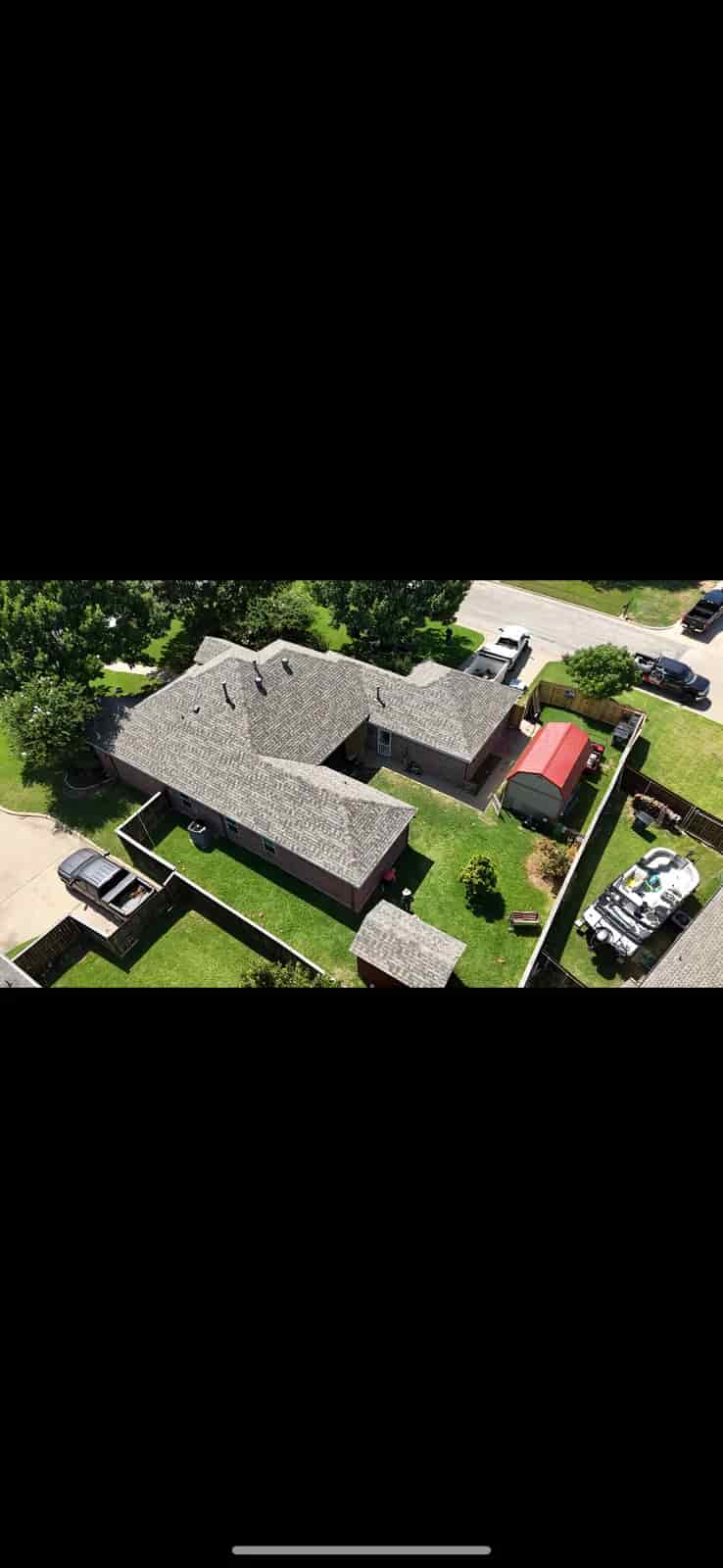
In Dallas-Fort Worth and East Texas, roofs take a beating from hail, hard wind, heat, and sudden temperature swings. A roof can look mostly fine from the driveway and still have bruised shingles, lifted seals, damaged flashing, or wet decking underneath. If you have solar panels, the situation gets more complicated because even a straightforward repair may need detach-and-reset planning before anyone touches the field shingles.

Residential roof repair services aren’t one thing. They range from a simple shingle replacement to flashing repairs, low-slope membrane work, decking replacement, leak diagnostics, coatings, storm documentation, and insurance support. What matters is matching the right fix to the actual problem, not guessing from the ground and hoping for the best.

Recognizing the Warning Signs on Your Texas Roof

Most homeowners don’t notice roof damage the day it happens. They notice the clue it leaves behind.

After a hailstorm, that might be grit collecting in the gutter, a shingle tab that looks darker than the ones around it, or a small water stain in a guest room nobody uses every day. In Texas, those minor clues deserve attention because storm damage is common. The U.S. residential roofing sector is projected to generate $24.79 billion in 2025, with reroofing making up over 80% of annual volume, and in storm-prone regions like Texas, wind and hail fueled over half of all residential claims according to Fixr’s U.S. roofing industry statistics.

What to look for from the ground

Stay off the roof. A safe ground-level check tells you plenty.

Look for:

  • Missing or shifted shingles that break the roof’s pattern.
  • Curling edges that often show age, heat stress, or wind lift.
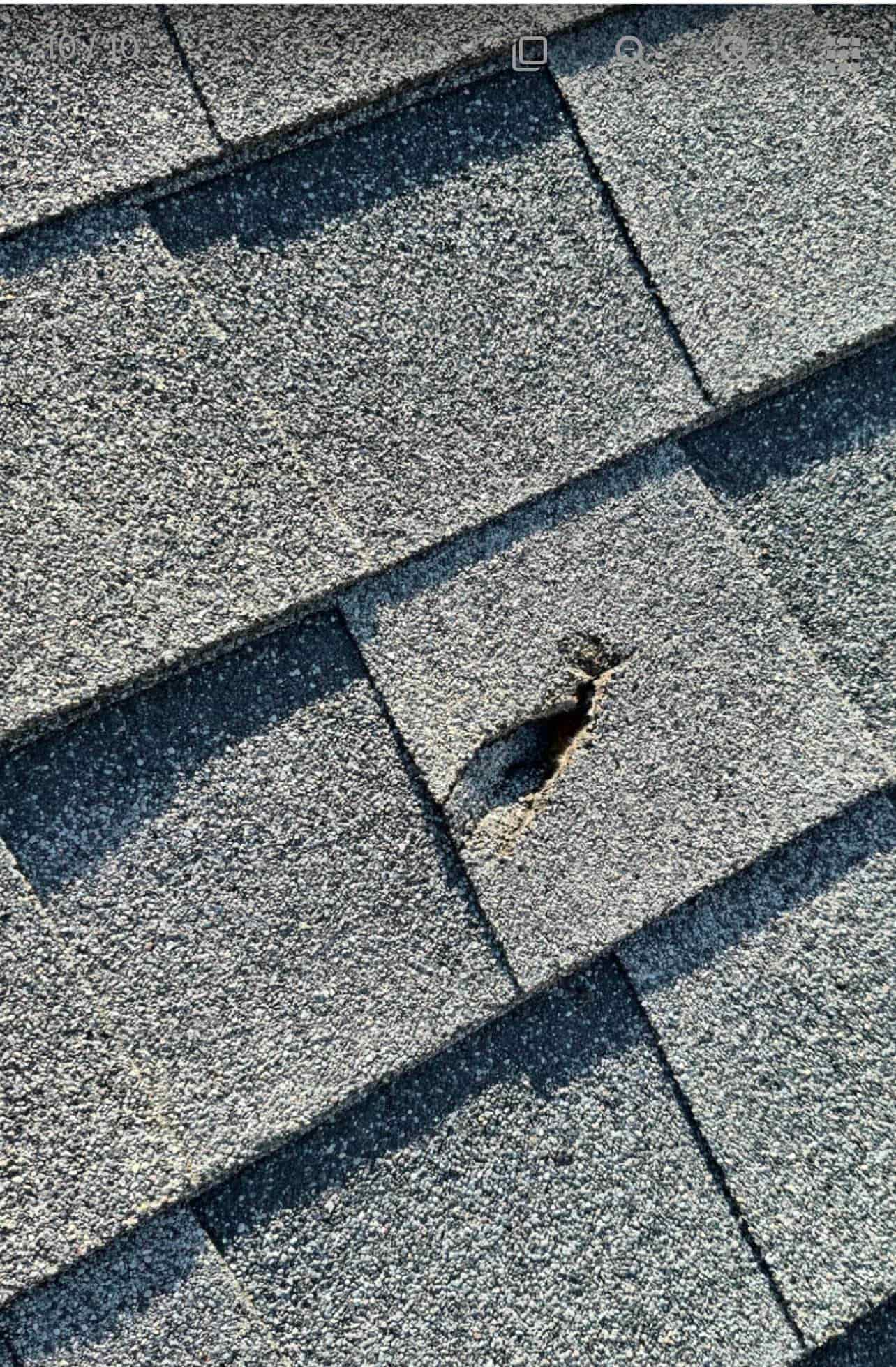
  • Dark, dimpled spots that can indicate hail bruising.
  • Metal flashing out of place around chimneys, walls, and roof penetrations.
  • Granules in downspouts or near splash blocks after a storm.
  • Sagging sections that suggest the issue may be below the shingle layer.

A damaged green shingled roof showing curling and missing pieces indicating a need for professional repairs.

Dark streaks are another common question. Sometimes they’re only surface staining. Sometimes they point to moisture patterns that deserve a closer look. The key is whether the roof is shedding water normally or starting to trap it.

What the inside of your house may be telling you

Roof leaks rarely drip straight down from the damaged spot. Water travels.

That’s why the first sign may show up as:

  • A faint ceiling stain in a hallway or closet
  • Bubbling paint near an exterior wall
  • Musty attic smell after rain
  • Wet insulation around a vent pipe or valley
  • Trim or drywall discoloration near windows or upper corners

Practical rule: A small interior stain doesn’t always mean a small repair. It often means water has already moved past the first failed layer.

If you want a safer way to organize what you’re seeing before calling a contractor, use a simple roof inspection checklist template and note the date, recent weather, and where the signs appear.

Normal aging versus urgent trouble

A roof with ordinary wear usually shows gradual change. The shingles still lie flat. Flashing still looks seated. There’s no fresh interior evidence.

Urgent trouble looks different. You’ll see sudden changes after wind or hail, repeated leaks in the same area, exposed fasteners, or signs that a repair was patched once and failed again. Texas sun also speeds up seal breakdown, so a roof can lose adhesion before a homeowner notices anything dramatic.

When in doubt, the underlayment is the wild card. A leak you can see may only be the symptom. The actual failure may be higher up the slope, around a vent, under a ridge cap, or along flashing where water got behind the visible surface.

Your Guide to Residential Roof Repair Services

Not every roof problem needs a full replacement. Some need the roofing equivalent of a stitch. Others need a larger section rebuilt because the surrounding system has already been compromised.

That’s the trade-off homeowners need explained clearly. A good repair solves the cause, not just the stain on the ceiling.

Asphalt shingle repairs

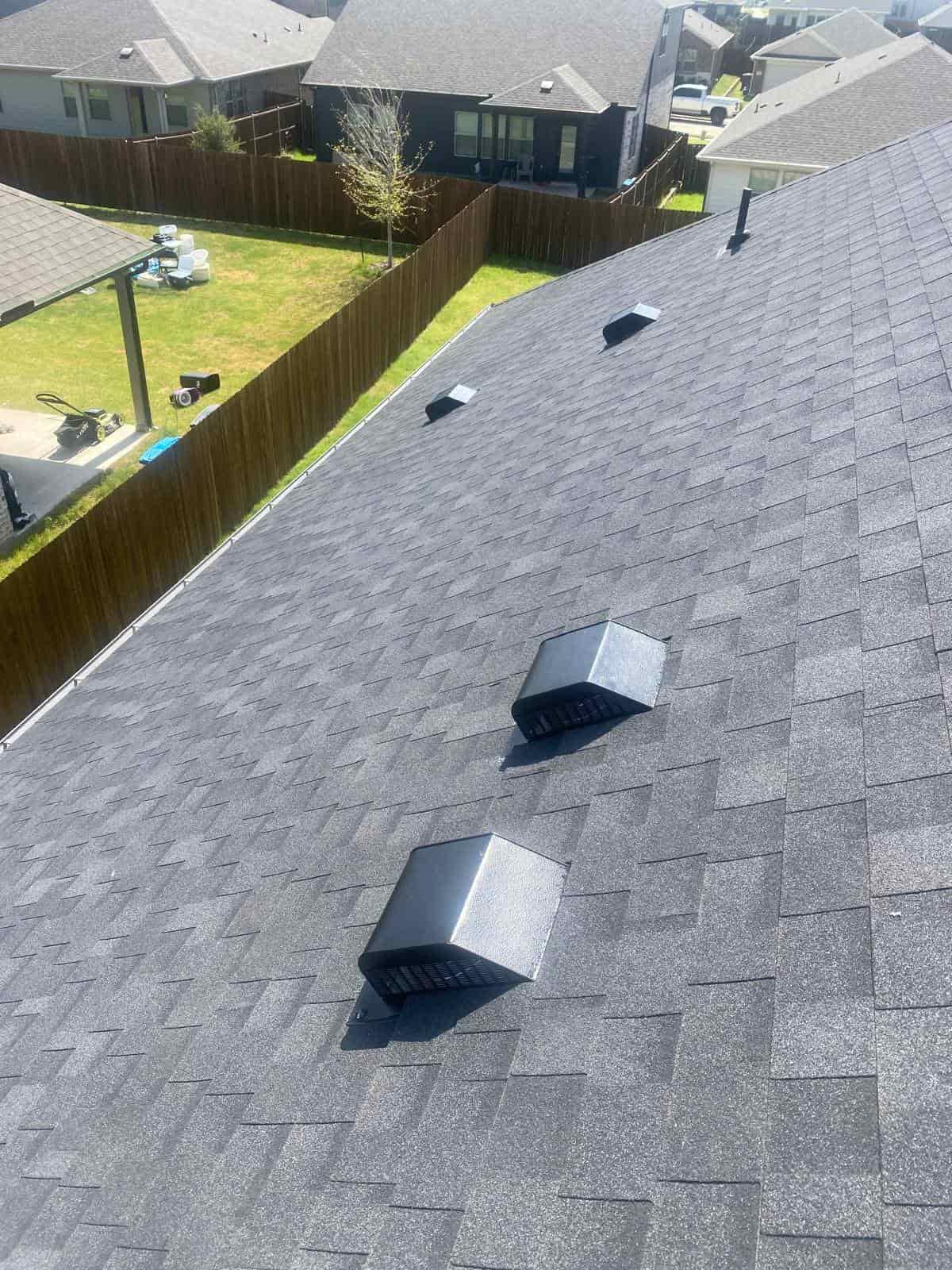
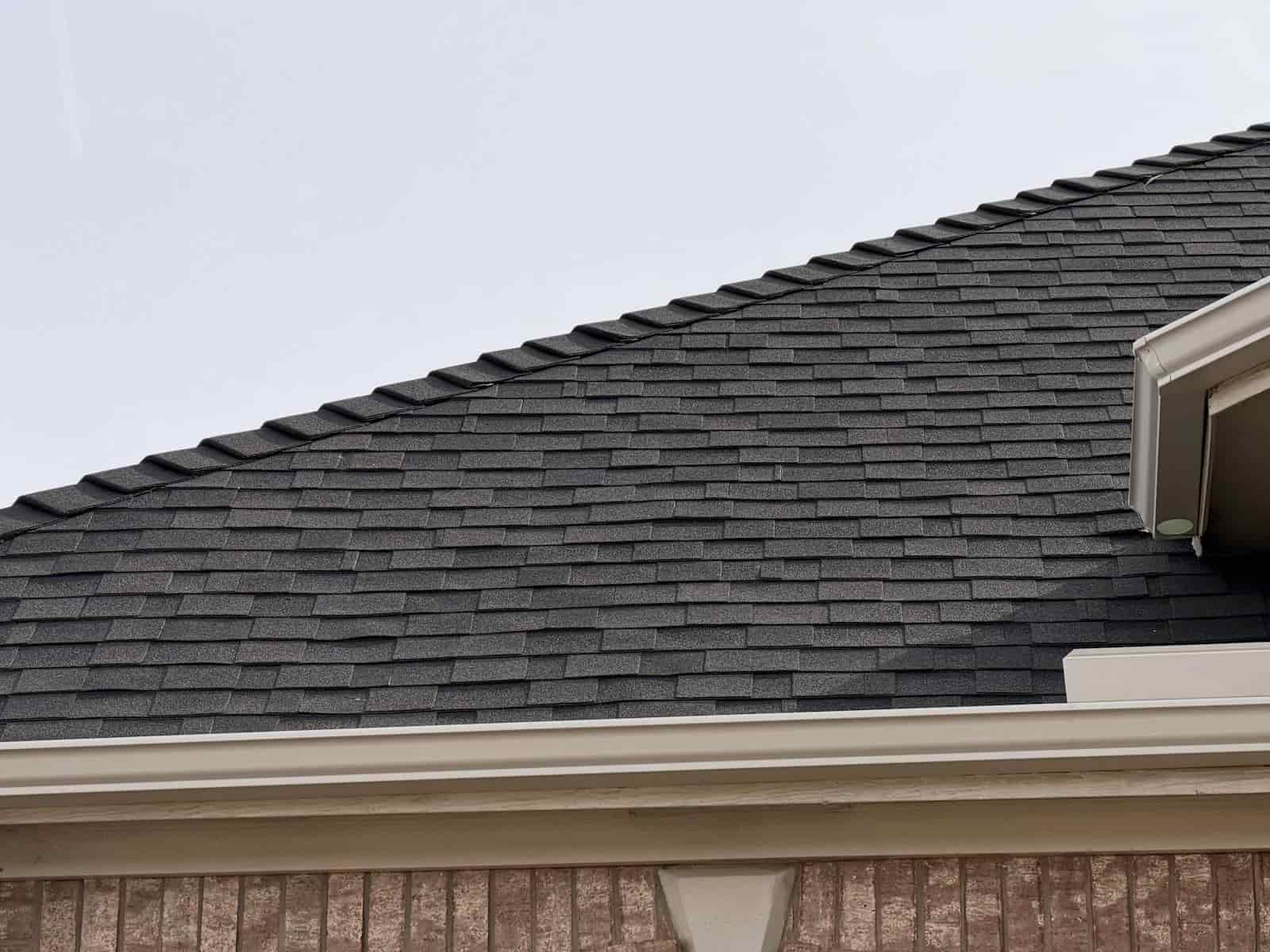
Most homes in this area use asphalt shingles, so most residential roof repair services start there. Common repairs include replacing wind-lifted shingles, resealing tabs, correcting exposed nail lines, fixing pipe boot failures, and rebuilding small areas around valleys or wall transitions.

A targeted asphalt repair makes sense when damage is isolated and the surrounding roof still has useful life left. If the issue is a handful of tabs torn by wind or a localized leak around flashing, a well-matched repair can restore performance without overbuilding the project.

Asphalt repair works best when the contractor can still integrate new material cleanly with the old system. Color match matters, but seal integrity matters more. If the shingle line is discontinued or the surrounding field has become brittle, a “small repair” can turn into a short-lived patch.

If a repair can’t tie into the existing roof system correctly, it’s not a money-saver. It’s a delay.

Impact-resistant upgrades are worth discussing in hail country. Some homeowners choose a Class 4 shingle during larger repairs or replacement work because the next storm is never far away in DFW.

Metal roof repairs

Standing seam and exposed-fastener metal roofs fail differently than shingles do. The panel may still look strong while the leak comes from a screw, a washer, a seam, or flashing at a transition.

Metal roof repair often involves:

  • Replacing failed fasteners
  • Correcting flashing at penetrations
  • Sealing or rebuilding problem transitions
  • Addressing isolated corrosion or panel damage
  • Improving drainage details where water backs up

Metal can be an excellent system in Texas, but it punishes sloppy detail work. A contractor has to know where expansion, contraction, and movement show up first. On metal, a leak isn’t always where the water enters, and cosmetic dents after hail aren’t the same thing as functional failure.

Flat and low-slope roof repairs

Low-slope sections over patios, additions, modern homes, and multifamily areas need a different approach. These roofs don’t forgive drainage mistakes.

For flat residential roofs common in modern Texas homes, ponding water causes 70% of failures, and repairs need to prioritize drainage. Heat-welded TPO and silicone coatings are common solutions, and properly selected systems can extend service life by 7 to 12 years according to Roofing Contractor’s technical roof inspection guidance.

That matters because sealant-only fixes on low-slope areas often look fine for a short time, then fail once the roof sits under standing water and Texas sun again.

Coatings and restorative options

A roof coating isn’t a cure-all. It’s useful when the roof is still a candidate for restoration and the substrate is stable.

Coatings can make sense when:

  • The roof is aging but not structurally failing
  • Seams and penetrations can be repaired first
  • The owner wants to defer replacement responsibly
  • The surface is suitable for a manufacturer-approved coating system

One contractor option for consideration is Hail King Professionals. The company offers roof coatings, asphalt, metal, and flat roof repair work, plus impact-resistant upgrades and solar panel detach-and-reset when reroofing requires it.

When spot repair stops being practical

The simplest way to think about repair versus replacement is this. If your car has one damaged tire, you replace the tire. If the frame is bent, replacing the tire doesn’t solve the problem.

A roof works the same way. A good contractor looks at the field material, the flashing, the decking condition, age, and how water is moving.

Comparing Common DFW Roofing Repair Options

Material Type Common Issues Best For Relative Cost
Asphalt shingles Missing tabs, hail bruising, lifted seals, pipe boot leaks Isolated storm damage and localized leak repairs Lower to moderate
Standing seam metal Flashing failures, seam issues, fastener problems, panel damage Long-life systems with detail-related leaks Moderate
Flat or low-slope membranes Ponding, seam separation, penetration leaks, surface wear Additions, patios, modern homes, low-slope sections Moderate to higher
Roof coatings Surface weathering, aging membranes, restoration needs Extending service life when the roof is still a candidate Moderate

A homeowner doesn’t need every option. They need the one that matches the roof they have, the damage that’s really present, and the budget they can support without creating a bigger problem later.

The Hail King Inspection and Repair Workflow

Most roof projects feel stressful because homeowners can’t see the whole path. They know there’s damage, but they don’t know what happens next, what’s urgent, or whether the contractor is giving them the full picture.

A professional workflow should remove that uncertainty.

A six-step infographic illustrating the professional roof inspection and repair process offered by Hail King.

Step one through step three

It starts with the call and scheduling. In storm season, speed matters because a roof that’s already been compromised can take on more water with the next round of weather.

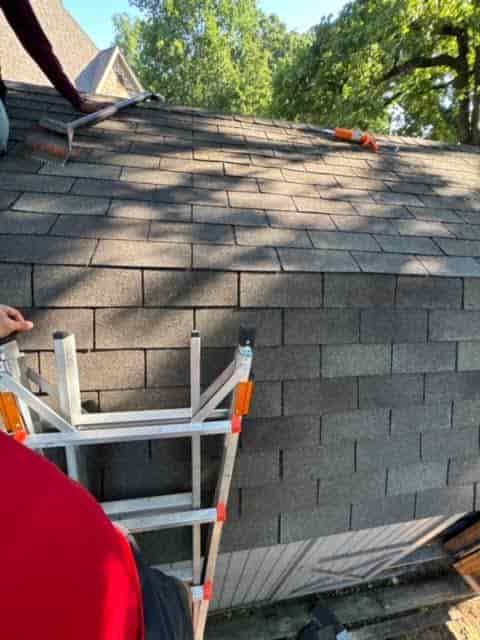
Then comes the inspection. A real inspection isn’t someone glancing at the ridge from the driveway. It includes the roof surface, flashings, penetrations, drainage points, interior leak clues, and any signs the decking may be compromised underneath.

The next step is documentation. Photos matter. Notes matter. Marking where damage is cosmetic versus functional matters. This is also where repair and replacement begin to separate.

According to JDH Remodeling’s roof repair process guide, repairs are generally the right choice when damage affects less than 20% of the roof surface, while damage beyond 30% usually points toward replacement. The same source notes that if decking moisture content exceeds 20%, replacement is typically required for long-term integrity.

The decision point

Homeowners need plain language, not pressure.

A trustworthy contractor should be able to tell you:

  • What failed
  • Why it failed
  • Whether the problem is isolated or system-wide
  • Which options are temporary, restorative, or permanent
  • What will happen if you wait

If decking is soft, if flashing details are repeatedly failing, or if multiple slopes show storm impact, it’s better to say so early. A cheap repair over wet or weakened substrate usually becomes an expensive callback.

Good roof work starts before the first shingle comes off. It starts with being honest about what the deck and details will support.

During the repair

Homeowners usually worry about noise, debris, nails in the driveway, and crews trampling landscaping. Those are fair concerns.

Professional repair crews should protect vulnerable areas, stage materials carefully, remove debris as they go, and leave the site cleaner than homeowners expect. They should also explain whether the work includes matching shingles, flashing replacement, underlayment correction, or any deck replacement found once the surface is opened.

Final review

The job isn’t finished when the crew leaves. It’s finished when the repaired area is checked, the property is cleaned, and the homeowner understands what was done.

That final conversation matters. It’s where you confirm the repair scope, review photos if hidden damage was found, and make sure the next rainstorm doesn’t leave you wondering what was missed.

Mastering Insurance Claims for Texas Storm Damage

A storm claim frustrates homeowners for one simple reason. The roof may be damaged, but the insurance file still has to prove it.

That gap between obvious storm damage and approved coverage is where many people get stuck. Detailed guidance is often missing, even though homeowners need it most when they’re stressed and trying to protect their home. A contractor’s role in documenting damage with photos, explaining coverage limits, and helping appeal denials fills a major information gap for storm-damage victims, as noted by Undercover KY.

A woman in a green sweater fills out insurance claim forms at a desk with a laptop.

What insurers usually need to see

Homeowners often think, “There was hail. My roof leaks. That should be enough.” It usually isn’t.

Insurance carriers typically want a well-documented record showing the type of damage, where it appears, and how it affects the roofing system. That means clear photos, notes tied to each slope, close-ups of damaged components, and supporting context from gutters, vents, soft metals, interior stains, or collateral exterior damage.

A contractor helps by organizing that information in a way adjusters can use. That includes separating normal wear from storm-created loss. If everything gets lumped together, the claim gets harder to defend.

Where claims go sideways

The most common claim problems aren’t dramatic. They’re procedural.

  • Incomplete photos that don’t show the full extent of the damage
  • Missed components such as flashing, vents, gutters, screens, or low-slope sections
  • Policy confusion about deductibles, depreciation, or exclusions
  • Weak communication between the homeowner, adjuster, and contractor
  • Early acceptance of a scope that doesn’t include everything needed

This is why homeowners benefit from reading a practical breakdown of the storm damage insurance claim process before the adjuster appointment.

Field advice: Don’t let the claim become only a conversation about shingles. Flashing, vents, gutters, decking damage, and interior evidence can all affect the true scope.

The value of an on-site contractor during adjustment

When a contractor meets the adjuster on site, the conversation gets more specific. The contractor can point out damage pattern by pattern, show where seals broke, note what’s repairable, and identify areas where replacement is the only durable option.

That doesn’t mean arguing for work that isn’t there. It means making sure legitimate damage isn’t missed.

For homeowners, this often reduces confusion. Instead of relaying technical points between two parties, they can hear the discussion directly and ask questions in real time.

A quick visual overview can also help if you’re trying to understand the broader insurance process before your appointment:

If the claim is denied or under-scoped

A denial isn’t always the end of the road. Sometimes the issue is missing documentation, poor photos, unclear causation, or disagreement about whether damage is cosmetic or functional.

In those cases, the homeowner may need:

  1. A tighter photo set with clearer annotations.
  2. A more detailed scope identifying all affected components.
  3. A written explanation of why the proposed scope won’t restore the roof correctly.
  4. A follow-up review with the carrier.

The contractor’s job isn’t to promise what insurance will do. It’s to make the file stronger, clearer, and harder to dismiss.

In DFW and East Texas, that advocacy matters because storms move fast, claim volume rises quickly, and homeowners can end up making expensive decisions while still trying to understand what their policy covers.

Budgeting for Your Roof Repair Project

Homeowners usually ask about price first, but the better question is what drives the price.

A roof repair estimate changes based on the roof type, slope access, how many components are affected, whether flashing must be rebuilt, and whether the deck underneath is still sound. A simple shingle patch and a leak repair that requires opening wet decking are not the same job, even if both started with a ceiling stain.

The factors that shape your total cost

Material is the first variable. Asphalt, metal, and low-slope systems all require different labor, accessories, and repair methods.

Complexity is the second. Roofs with multiple valleys, steep pitches, chimneys, skylights, or solar attachments take more time and more care. The third cost driver is hidden damage. Once a contractor opens the area, they may find wet sheathing, failed underlayment, or flashing installed incorrectly during an older repair.

A useful estimate should separate those items clearly so you know what is included and what would qualify as additional discovery.

Repair cost versus replacement value

Homeowners often compare repair pricing to replacement pricing in the abstract. That can be misleading.

A smart repair is worth paying for when it restores the system and preserves useful life. A weak repair is wasted money if the surrounding roof is too far gone to hold the fix. That’s why roofers should tie recommendations back to actual conditions, not just the cheapest immediate number.

If the project creates significant tear-off debris, disposal planning matters too. Homeowners doing broader exterior work often benefit from learning how contractors efficiently manage construction debris so cleanup, hauling, and driveway protection don’t become an afterthought.

Financing, warranties, and local code compliance

When repairs are necessary but the timing is rough, financing can help bridge the gap. For many homeowners, options like soft credit checks, no prepayment penalties, and no home-equity requirement make it easier to address roof problems before they spread.

Warranty protection matters just as much as financing. There are two separate ideas to ask about:

  • Manufacturer coverage for the roofing product itself
  • Workmanship coverage for the contractor’s installation or repair execution

Those are not interchangeable.

A low bid without clear warranty language and code-compliant scope can cost more than a higher bid that actually solves the problem.

In DFW and East Texas, code compliance is part of the value. Repairs should account for local weather exposure, flashing details, ventilation needs where applicable, and proper integration with adjacent systems like gutters, siding, or solar equipment. The homeowner is paying for a roof to perform, not just to look fixed from the street.

Advanced Roofing Needs and Preventative Care

Some of the most important roof decisions happen before there’s an active leak.

That’s especially true for homeowners with solar panels or for anyone trying to stretch roof life without gambling on emergency repairs in the middle of storm season.

Solar detach and reset during reroofing

Solar changes the roofing workflow. If panels sit over damaged sections, the roofing contractor can’t work around them and hope for the best.

The system usually needs a coordinated detach-and-reset process so the roof can be repaired or replaced correctly. That means careful planning around the panel layout, mounts, flashing points, and reinstallation sequence. If that coordination is sloppy, the homeowner can end up with roof leaks, mounting issues, or finger-pointing between trades.

For Texas homeowners, this matters because more roofs now carry equipment that sits directly on the weather barrier. Roof repairs have to respect that system, not bypass it.

A solar technician in green workwear and a white hard hat installs solar panels on a house roof.

Why preventative care pays off in Texas

Preventative maintenance sounds optional until you compare it to emergency work during a storm cycle.

Regular roof maintenance can extend a roof’s lifespan by up to 40%, and framing maintenance as a return-on-investment decision helps homeowners weigh annual inspections against the cost and stress of reactive repairs, according to Roof Angel’s discussion of preventative maintenance.

In practical terms, maintenance means catching small failures while they’re still inexpensive to correct. It also means creating a record of roof condition over time, which can be useful when problems develop after severe weather.

What preventative service should include

A worthwhile maintenance visit goes beyond “looks okay.”

It should include attention to:

  • Flashing condition at walls, chimneys, and penetrations
  • Seal integrity around vents and accessories
  • Shingle or panel movement after wind events
  • Drainage performance on low-slope sections
  • Debris buildup in valleys and gutters
  • Visible signs of moisture in attic-accessible areas

For homes in DFW and East Texas, timing matters. The best maintenance windows are usually before peak storm periods and after major weather events, when subtle damage is easiest to trace back to a recent cause.

The long-view approach

Preventative care and modern roof services belong together. A homeowner with solar panels, upgraded shingles, repaired flashing, and documented maintenance is protecting more than the roof covering. They’re protecting insurance readiness, resale appeal, and the reliability of everything attached to the roof.

That long-view approach is what keeps a roof from becoming a surprise expense every time hail rolls through the Metroplex or East Texas sees another hard wind event.

How to Choose a Reputable DFW Roofing Contractor

Hiring the right roofer is half the repair.

A lot of roofing problems in Texas come from bad diagnosis, rushed insurance work, or crews that know how to sell a roof but not how to detail one. Homeowners need a screening process that filters out noise quickly.

The checklist that matters

Start with the basics, but don’t stop there.

  • Verify insurance and local operating presence so you’re not dealing with a storm chaser who disappears after the job.
  • Ask how inspections are documented. A serious contractor should provide photos and explain what they found in plain language.
  • Look for material-specific experience if you have metal, low-slope areas, or solar on the roof.
  • Review warranty terms carefully so workmanship responsibility is written down, not implied.
  • Pay attention to communication. If the estimate is vague before the contract, it won’t improve after the first supplement or change order.

Reviews are useful, but read them intelligently

Recent reviews can reveal a lot about consistency, cleanup, scheduling, and whether a company handles problems well after the invoice is paid. If you want context on why review quality matters so much online, this explanation of how Google reviews impact contractor reputation is worth reading.

Don’t just count stars. Read for patterns. Homeowners should look for comments about documentation, professionalism, property protection, and whether the final scope matched what was promised.

A reputable roofer doesn’t rush you into a claim, a contract, or a full replacement. They show you the condition of the roof and explain the consequences of each option.

Questions worth asking before you sign

Some questions cut through the sales script fast:

  1. Will you inspect the attic or interior if leak signs suggest hidden moisture?
  2. How do you determine whether this roof is repairable or not?
  3. What happens if you open the roof and find damaged decking?
  4. Who handles communication if insurance is involved?
  5. How will you protect landscaping, windows, gutters, and driveway surfaces?

If the answers are vague, keep looking.

A homeowner comparing contractors can also use this guide on how to choose a roofing contractor to build a smarter short list before scheduling inspections.

The right contractor should make you feel more informed, not more cornered. In DFW and East Texas, local weather is already unpredictable. Your contractor shouldn’t be.


If your roof has taken hail, wind, or heat damage and you want a clear answer without pressure, schedule a free inspection with Hail King Professionals. A documented assessment gives you a practical starting point, whether the roof needs a targeted repair, insurance support, solar detach-and-reset coordination, or a larger replacement plan.