

Roof Insurance Claims
Roof Insurance Claims: Negotiating with Adjusters for Maximum Payout
Dealing with roof damage is stressful enough without the added complexity of navigating roof insurance claim, where the difference between a full approval and a denial often lies in the details. The insurance adjustment process can feel like walking through a maze—one wrong turn, one missed photo, one overlooked line item, and homeowners risk leaving thousands of dollars on the table.
This guide is designed to empower homeowners with the knowledge needed to effectively communicate with insurance adjusters and secure the coverage they deserve for their repairs. Understanding how to document damage correctly, interpret policy language, and avoid common mistakes can transform a frustrating experience into a successful outcome.
The Foundation of a Strong Claim: Meticulous Documentation
Creating a Pre-Loss Baseline
Having photos of your roof and property in good condition before a storm hits establishes a clear timeline of when damage occurred. These “before” images serve as a baseline that demonstrates the roof was intact prior to the event, making it much harder for insurers to argue that damage was pre-existing or caused by poor maintenance. Homeowners should periodically photograph their roof, gutters, and siding—especially before storm season—and store these images in a safe, accessible location.
Immediate Post-Storm Evidence Gathering
After a storm, safely documenting damage as soon as possible is critical to preserving the integrity of your claim. Take wide shots of the entire house to show the overall scope of damage, then capture close-ups of specific impacts on shingles, gutters, flashing, and siding. Include photos from multiple angles and in different lighting conditions to reveal hail dents, missing granules, or cracked materials that might not be visible at first glance. This comprehensive visual record becomes indispensable when the adjuster arrives.
Organizing Repair Estimates and Invoices
Keeping a dedicated file for all receipts related to temporary repairs—such as tarping or emergency leak fixes—and initial contractor estimates provides critical proof of loss. These documents demonstrate that damage was significant enough to require immediate action and help validate the scope of work needed. Organized records also streamline the claims process, making it easier to cross-reference line items and ensure nothing is overlooked during negotiations.

Understanding Your Policy: Coverage and Exclusions
RCV vs. ACV Explained
Replacement Cost Value (RCV) pays to replace the roof at current prices without factoring in depreciation, while Actual Cash Value (ACV) deducts depreciation based on the roof’s age and condition. For a 15-year-old roof, the difference between these two values can be thousands of dollars. Most policies pay ACV upfront and release the recoverable depreciation (the difference between ACV and RCV) only after repairs are completed, so homeowners must understand this structure to avoid confusion about their final payout.
Deductible Obligations
The deductible is the portion of the claim that the homeowner is responsible for paying out-of-pocket before insurance coverage kicks in. This amount is clearly stated in the policy and is non-negotiable. Contractors who offer to “waive” or “absorb” the deductible are engaging in illegal insurance fraud, which can jeopardize the entire claim and potentially lead to policy cancellation. Homeowners should be wary of any promises that sound too good to be true.
Code Upgrade Coverage (Ordinance or Law)
Many older homes do not meet current building codes, and bringing a new roof up to these standards can add significant costs that aren’t covered under standard policies. Code upgrade coverage, also known as ordinance or law coverage, pays for these additional expenses—such as adding required ventilation, upgrading decking, or installing ice and water barriers. Checking whether this coverage exists in your policy before filing a claim can prevent costly surprises during the repair process.
The Adjuster Meeting: Setting the Stage for Success
Importance of Contractor Representation
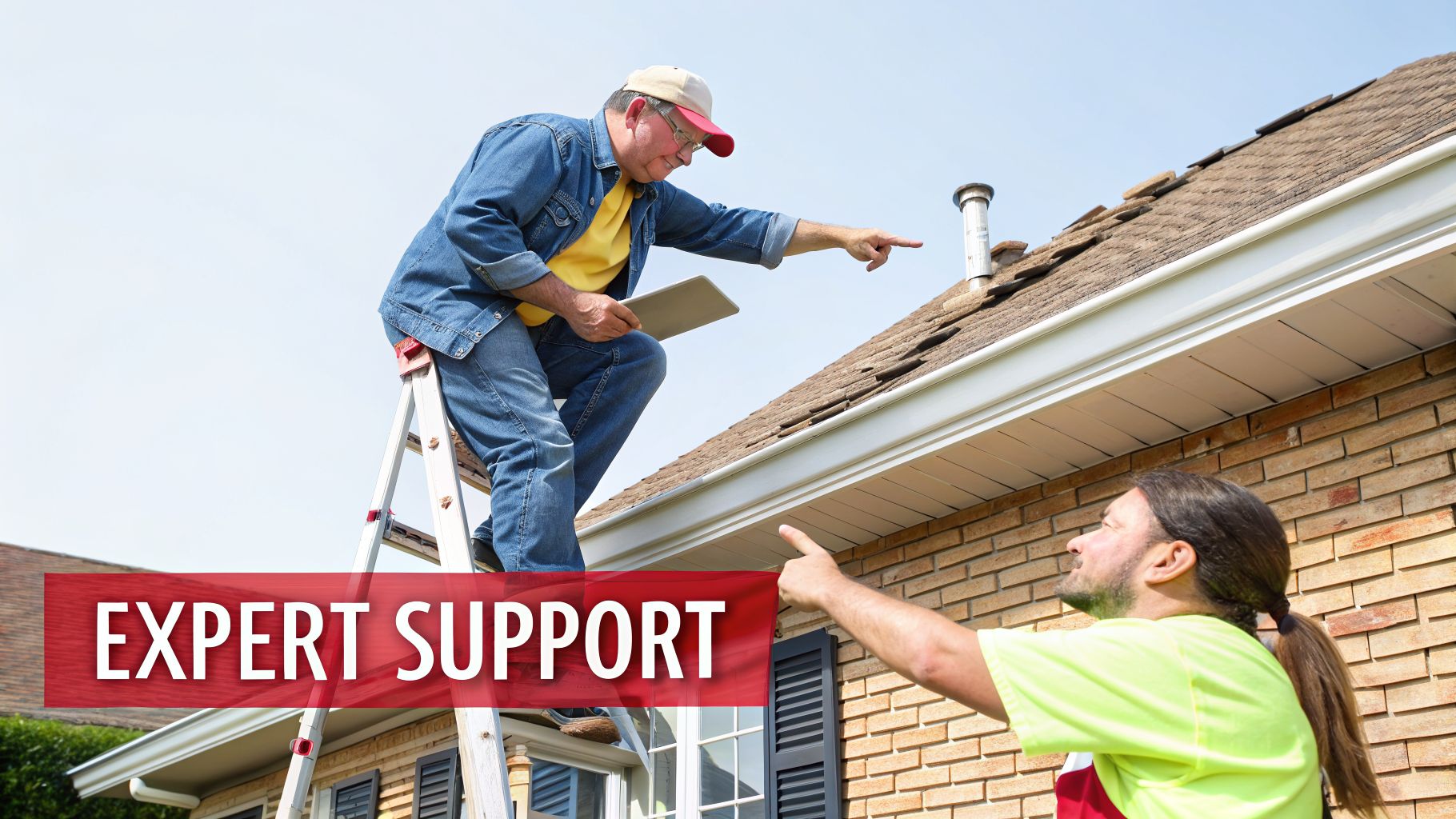
Having your roofing contractor present during the adjuster’s inspection ensures that damage is properly identified and documented. Experienced contractors know what adjusters look for and can point out subtle signs of damage—such as bruising on shingles or micro-fractures in granules—that an adjuster might miss or downplay. This professional advocacy helps level the playing field and ensures a fair assessment from the start.
Professional Etiquette and Communication
Maintaining a polite but firm professional relationship with the adjuster sets a positive tone for negotiations. Avoid confrontational language or emotional appeals, and instead focus on factual observations and documented evidence. Clear, respectful communication demonstrates that the homeowner is informed and serious about receiving fair compensation, which can encourage the adjuster to be more thorough in their assessment.
Defining the Scope of Inspection
Adjusters sometimes focus narrowly on the roof shingles and overlook collateral damage to other parts of the property, such as window screens, fence stains, gutters, and HVAC units. Homeowners should request a comprehensive inspection that includes all areas potentially impacted by the storm. Documenting these additional damages ensures they are included in the claim and increases the overall payout.
Interpreting the Adjuster’s Summary of Loss
Line-Item Review
Comparing the insurance estimate line-by-line with your contractor’s estimate helps identify missing items such as starter strips, ridge caps, pipe boots, or adequate waste factors. Insurance estimates sometimes omit smaller components or underestimate material quantities, which can lead to shortfalls when the actual work begins. Catching these discrepancies early allows for timely supplementation and prevents delays.
Spotting Omitted Overhead and Profit (O&P)
General Contractor Overhead and Profit (O&P) should be included in claims when multiple trades are involved—such as when both roofing and siding repairs are needed. This line item compensates the contractor for managing the project, coordinating subcontractors, and ensuring quality control. Insurance companies sometimes omit O&P to reduce payouts, but homeowners have the right to request it when the scope of work justifies it.
Identifying Pricing Discrepancies
Insurance companies often use estimating software like Xactimate, which relies on regional pricing databases that may not reflect current market conditions. If the adjuster’s estimate uses outdated or artificially low pricing, homeowners can challenge these figures by providing real-time quotes from local contractors. Presenting this evidence strengthens the case for a fair adjustment that reflects actual roof repair costs.

The Art of Negotiation: Handling Disagreements
Supplementing the Claim
A supplement is an additional request for funds submitted after the initial claim approval, typically when contractors discover hidden damage or code requirements during the repair process. This is a normal part of the claims process, and contractors routinely file supplements to cover items missed during the initial inspection. Homeowners should not hesitate to pursue supplements when justified by new findings.
Requesting a Re-Inspection
If the initial adjuster missed significant damage or if the outcome seems unreasonable compared to what neighbors received for similar claims, homeowners have the right to request a second opinion. Escalating to a supervisor or requesting a different adjuster can lead to a more thorough review and a fairer settlement. Persistence often pays off when the evidence supports the claim.
Utilizing Third-Party Appraisers
Most insurance policies include an appraisal clause that allows for dispute resolution when the homeowner and insurer cannot agree on the value of the loss. Both parties select independent appraisers who then choose a neutral umpire, and the three work together to reach a binding decision. This option provides a structured path to resolution without resorting to litigation, making it a valuable tool for homeowners facing stubborn denials or lowball offers.
Avoiding Common Claims Pitfalls
The “Free Roof” Myth
Contractors who promise to handle the deductible or inflate repair costs are engaging in insurance fraud, and homeowners who participate can face serious legal consequences. Insurance companies are well aware of these schemes and actively investigate suspicious claims, which can result in policy cancellation, legal liability, or even criminal charges. Legitimate contractors always require the homeowner to pay their deductible as outlined in the policy.
Missing Filing Deadlines
Most insurance policies impose strict deadlines for filing claims, often within one year from the date of the loss. Missing these deadlines can result in a complete denial of coverage, regardless of how legitimate the damage may be. Homeowners should act promptly after discovering storm damage and ensure all paperwork is submitted within the policy’s timeframe.
Signing Contingency Agreements Too Early
Some contractors ask homeowners to sign contracts before the claim is approved, locking them into agreements that may not align with the final insurance settlement. Homeowners should ensure any agreement is contingent upon a satisfactory insurance approval and includes clear terms about what happens if the claim is denied or underpaid. This protects against being obligated to pay out-of-pocket for repairs that insurance should cover.
Why Hail King Pros Is Your Best Advocate
Expertise in Insurance Restoration
Hail King Pros specializes in identifying storm damage according to insurance standards, ensuring that nothing is missed during the initial assessment. This expertise translates to more comprehensive documentation and stronger claims that hold up under adjuster scrutiny. Homeowners benefit from this professional eye, which often uncovers damage that would otherwise go unnoticed.
Detailed Xactimate Estimates
Using the same estimation software as insurance carriers, Hail King Pros creates estimates that align with industry standards and streamline the approval process. This reduces friction over pricing discrepancies and ensures that all necessary line items are included from the start. Speaking the adjuster’s language makes negotiations smoother and faster.
Comprehensive Project Management
Hail King Pros handles the burden of documentation, supplements, and technical explanations, allowing homeowners to focus on their daily lives while their roof is restored. From the initial inspection through final payment, professional project management ensures that deadlines are met, quality standards are upheld, and communication with the insurance company remains clear and consistent.
Get the Settlement Your Home Deserves
The insurance claims process is complex, but a successful outcome is achievable through preparation, understanding your policy, and partnering with knowledgeable professionals. By documenting damage meticulously, interpreting estimates carefully, and negotiating confidently, homeowners can secure the full coverage they’re entitled to under their policies.
Don’t settle for less than your home deserves. If you have storm damage, contact Hail King Pros today for a free inspection and let their experts help you navigate the claims process with confidence.
Hail King Pros
https://maps.app.goo.gl/NkHUXFd1ZvQidxhP8
1900 Industrial Blvd Ste 200, Colleyville, TX 76034, United States
(682) 235-2880
https://hailkingpros.com/