A lot of commercial property owners in Dallas-Fort Worth arrive at the same point the same way. A leak shows up after a storm. Someone patches it. Then another section blisters in summer heat. Then a consultant or contractor delivers a replacement quote that turns a maintenance problem into a capital-budget problem.
That’s usually when the actual question changes.
You’re no longer asking, “How do I stop this leak?” You’re asking, “Is this roof finished, or do I still have a viable asset here?”
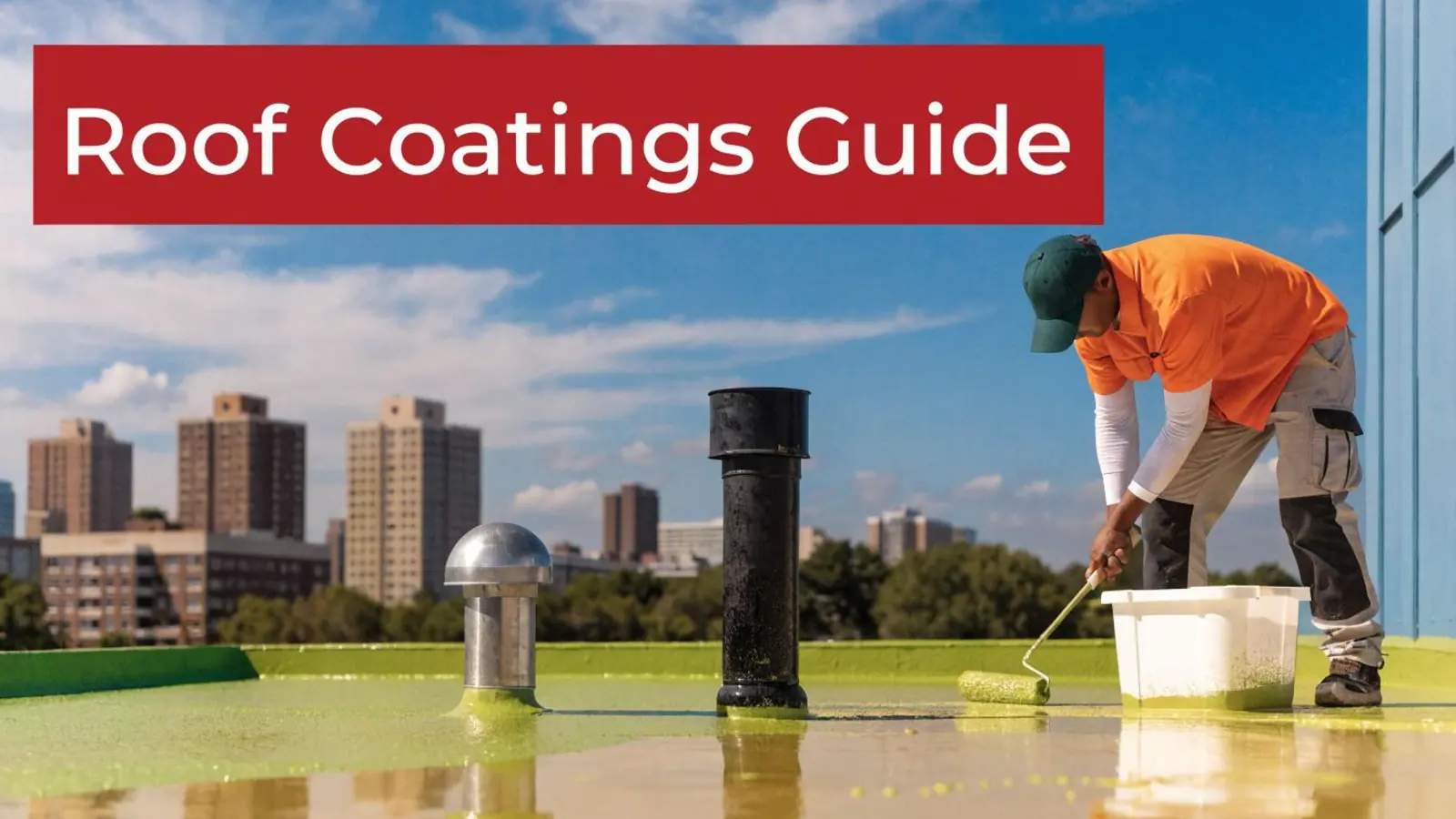
For many buildings, the answer is somewhere between patching and full tear-off. That’s where commercial flat roof coatings make sense. Not as a shortcut, and not as a paint-over-problems sales pitch. A properly specified coating system can restore service life, improve reflectivity, reduce disruption to tenants, and buy valuable time before replacement becomes unavoidable. In Texas, where sun exposure, heavy rain, drainage issues, and hail all push flat roofs hard, that decision has to be based on condition, compatibility, and workmanship. Not optimism.
Why Smart Property Managers Rethink Roof Replacement
A North Texas roof can look manageable on Monday and become a budget problem by Friday. One hailstorm opens fresh impact points, water gets into weak seams, and suddenly the cheapest recommendation on the table is a full tear-off.
Smart property managers slow that conversation down.
A replacement is sometimes the right call. If the roof has widespread wet insulation, structural deck problems, severe membrane shrinkage, or chronic failure across large sections, restoration will not hold up. But many commercial roofs are not at that point. They are worn, exposed, and leaking at predictable weak spots. That is a different problem, and it calls for a different decision.
When restoration makes more sense
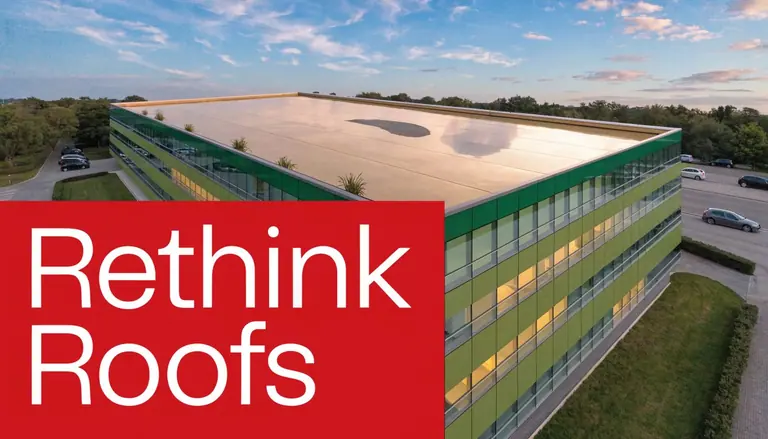
A coating project makes sense when the existing roof assembly still has a sound base. The membrane has to be stable enough to accept repairs and hold adhesion. Flashings, seams, penetrations, drains, and wet areas have to be inspected, tested, and corrected before anyone talks about topcoats. If that work is done well, a coating can extend service life without the cost and disruption of tearing off a roof that still has value.
In DFW, a key question is not whether coatings are cheaper up front. A critical question is whether the roof can survive another cycle of heat, ponding water, and hail after repairs are made. Coatings fail early when contractors skip moisture mapping, coat over brittle details, ignore impact bruising, or treat drainage problems like a cosmetic issue. Property owners rarely hear that in a sales pitch, but those are the reasons a five-year coating job can start breaking down much sooner.
That is also why system selection matters early. If you are comparing materials, this guide on silicone vs acrylic roof coatings for commercial buildings is a useful starting point before you approve a scope.
Some owners also compare coatings with spray foam roofing when they need insulation value along with waterproofing. That option can fit certain buildings, but it brings its own maintenance and hail-resistance trade-offs, especially in exposed Texas conditions.
The decision isn’t just technical
Replacement affects reserves, tenant operations, scheduling, and insurance documentation. It also brings noise, debris, odors, staging, and a higher chance of business disruption. A restoration project usually reduces that burden, but only if the roof is still a restorable asset and the scope addresses failure points instead of hiding them.
This is a key consideration for managers of offices, retail centers, medical buildings, warehouses, and occupied multi-tenant properties. A coating is not a shortcut. It is an asset-preservation decision, and it works only when the roof condition, material compatibility, and prep work all line up.
Practical rule: If a contractor recommends a coating without checking for trapped moisture, hail damage, drainage defects, seam condition, and detail integrity, they are selling a bucket of material, not a roof system.
The best coating projects start with a hard look at how the current roof is failing. That is how you avoid spending restoration money on a roof that should have been replaced, and how you avoid replacing a roof that still had useful life left.
A Practical Comparison of Coating Types
Not all coating systems solve the same problem. In North Texas, that distinction matters because flat and low-slope roofs deal with standing water, intense UV, heat cycling, rooftop traffic, and storm exposure. The wrong material can still look good on bid day and fail you later.
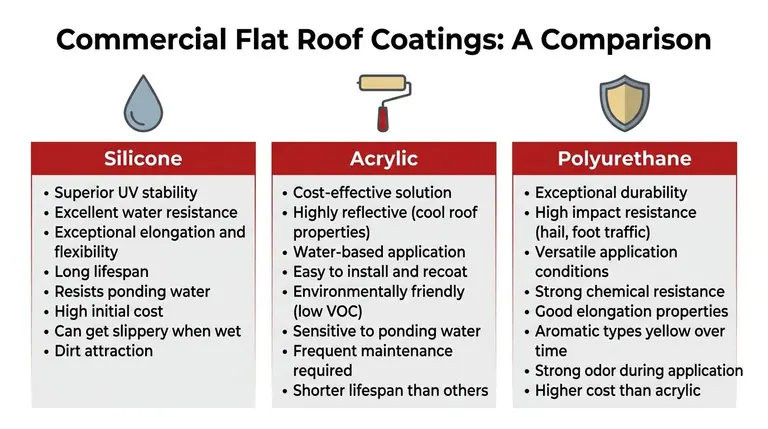
Think of the main options this way. Silicone is your rain gear. Acrylic is your reflective sun shirt. Polyurethane is your work boot. Each has a place, but not on every roof.
Silicone for ponding water and exposed flat roofs
Silicone is often the most practical fit for older flat roofs in this region because water doesn’t always leave the roof the way drawings say it should. Taper systems settle. Drains clog. Curbs interrupt flow. Low spots become permanent.
That’s where silicone separates itself. As explained in Henry’s white paper on silicone coatings for flat roofs, silicone uses Moisture Cure technology and can become rain-ready in as little as 15 minutes after application. The same source notes acrylic coatings are vulnerable to ponding water, which makes them a poor choice for many flat or low-slope roofs.
Silicone also tends to make scheduling easier in unstable weather. If you’re trying to finish a project in a season with scattered rain, faster cure behavior matters.
Acrylic for lower upfront cost on the right roof
Acrylic usually wins the first-round budget conversation because the price is lower. That doesn’t make it wrong. It makes it selective.
Acrylic performs best where drainage is good and standing water isn’t a recurring issue. On sloped metal roofs or low-risk surfaces with strong runoff, acrylic can be a sensible coating. It also offers strong reflectivity and UV resistance. But on a roof that already struggles with ponding, acrylic can become the classic cheap bid that turns expensive later.
For a closer side-by-side review, this guide on silicone vs acrylic roof coating is useful when you’re comparing material fit against roof slope and drainage conditions.
Polyurethane for abuse resistance
Polyurethane is usually part of the conversation when a roof sees more punishment. Mechanical-service zones, regular foot traffic, or conditions where impact resistance matters can push buyers toward polyurethane systems.
It doesn’t always lead the conversation because many owners are primarily focused on leaks and reflectivity. But on roofs where crews are constantly servicing equipment, toughness matters. A coating that looks good on paper but scuffs, wears, or gets damaged around walk paths creates its own maintenance cycle.
If you’re weighing coatings against broader restoration options, it also helps to understand where spray foam roofing fits into the discussion. It’s not the same system, but it belongs in the same planning conversation when insulation, restoration, and monolithic waterproofing are all under review.
Commercial Roof Coating Comparison
| Feature | Silicone | Acrylic | Polyurethane |
|---|---|---|---|
| Best fit | Flat and low-slope roofs with drainage concerns | Well-drained roofs, often with more slope | Roofs that see more traffic or abuse |
| Water handling | Strong choice where ponding water is present | Poor fit where water stands | Depends on system design and use case |
| UV exposure | Handles strong sun well | Strong UV performance | Durable, often chosen more for toughness |
| Cure behavior | Moisture-cure, fast rain readiness | Water-based drying, more weather-sensitive | Varies by formulation |
| Budget position | Higher upfront cost | Lower upfront cost | Usually considered when durability is a priority |
| Main risk | Can attract dirt over time if neglected | Premature wear on flat wet roofs | Can be overspecified for low-demand roofs |
The best coating isn’t the one with the strongest brochure. It’s the one that matches your drainage pattern, membrane condition, traffic level, and maintenance reality.
Ensuring Compatibility with Your Roof Membrane
A coating system can fail before weather ever tests it if it’s applied to the wrong substrate or to the right substrate without the right prep. Many subpar projects find their inception here. The owner hears “roof coating” and assumes coatings are universal. They aren’t.
TPO, PVC, EPDM, modified bitumen, built-up roofing, and metal don’t behave the same way. They weather differently, absorb heat differently, and present different adhesion challenges. Some need primers. Some need aggressive cleaning. Some need repairs that go beyond cosmetic surface work before any coating should be considered.
The first question is not which coating
The first question is what roof membrane you have, what shape it’s in, and whether that surface can accept a restoration system at all.
A proper review usually includes:
- Membrane identification: The contractor should verify the roof type instead of guessing from appearance.
- Adhesion testing: Small test areas help confirm whether the proposed coating and primer system will bond correctly.
- Moisture investigation: Wet insulation or trapped moisture under the membrane changes the decision fast.
- Detail review: Seams, penetrations, curbs, parapet transitions, and previous repair areas often reveal whether the roof is restorable.
A contractor who skips those steps is taking your money on confidence, not on evidence.
Where incompatibility shows up later
Bad compatibility decisions usually don’t fail all at once. They show up as peeling around seams, loss of adhesion near drains, cracking at transitions, or recurring leaks around penetrations that were never properly rebuilt before coating.
That’s why “coating the whole roof” is the wrong mental model. What you’re really buying is a compatible restoration assembly. The liquid top layer gets attention, but primers, seam reinforcement, flashing treatment, and surface repairs decide whether the topcoat has a stable foundation.
If a proposal doesn’t clearly describe substrate prep, primer requirements, and repair scope, the coating thickness won’t save the job.
Questions worth asking before approval
Ask these before signing anything:
- What membrane is on my roof, and how was that confirmed?
- Will you perform adhesion tests before full application?
- Which areas need repair before coating begins?
- Is a primer required for this substrate and this coating?
- What conditions would make you reject the roof as a coating candidate?
Those questions won’t make the meeting longer by much. They can save you from approving a project that looks clean at turnover and starts separating at the first stress point.
From Prep Work to Final Inspection
Most coating failures aren’t coating failures at all. They’re prep failures. The material gets blamed because it’s visible. The underlying cause is usually below it.
That’s why a professional application process should look methodical, even a little slow. If a crew seems eager to spray quickly, that’s not efficiency. That’s often where corners start.
Inspection comes first
Before cleaning or coating, the roof needs a serious inspection. Not a walk-around with a phone camera. A real condition review should look at drainage, membrane condition, seam integrity, flashing details, penetrations, and signs of trapped moisture.
If you want a solid overview of what a disciplined inspection process should include, this resource on A Practical Guide to Commercial Roof Inspection is worth reviewing before contractor meetings.
A property manager should expect the contractor to mark defects, identify repair zones, and explain which areas are suitable for coating and which aren’t. If everything is “fine for coating” on the first visit, be careful.
Cleaning is not a formality
Cleaning decides adhesion. Dirt, oxidation, biological growth, grease from exhaust fans, old failing coating residue, and loose granules all interfere with bond strength.
A thorough prep phase usually involves:
- Surface washing: The roof has to be cleaned aggressively enough to remove contaminants, not just improve appearance.
- Detail cleaning: Seams, penetrations, corners, and drain bowls need hand work because these are common failure points.
- Drying time: The roof must be dry where the system requires it. Rushing this step is a common mistake.
- Debris control: Loose material left behind under a coating becomes a bond-breaker.
Repairs before coating
No quality contractor should treat coating as a substitute for repair. Open seams need attention. Failed flashing has to be rebuilt. Wet sections may need removal. Metal fasteners may need tightening or replacement. Trouble spots around curbs and penetrations often need reinforcing fabric or supplemental mastics as part of the system.
For a more detailed look at field application methods, this page on how to apply roof coating helps illustrate why sequence matters so much.
Field note: The cleaner and more disciplined the prep work looks, the better your odds that the coating performs the way it was sold.
A short walkthrough can also help you recognize what proper application looks like in practice.
Application and closeout
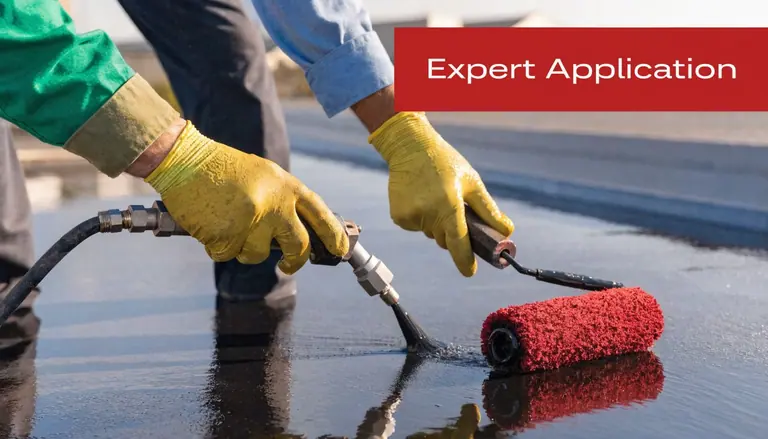
Once prep and repairs are complete, the actual coating application is usually the most visually dramatic part of the job, but it shouldn’t be the most important part of your review. You want to know whether the crew is applying the specified system consistently across field areas, edges, flashings, and detail transitions.
Final inspection should include punch-list review, verification that repairs were completed as promised, and documentation of any maintenance recommendations. Good closeout also means you understand where the roof remains vulnerable. Drains still need maintenance. Traffic still needs control. Rooftop trades still need to protect the finished surface.
Analyzing the Financials of Roof Coatings
A North Texas owner gets two coating bids on the same building. One is much cheaper, the warranty looks similar at a glance, and the sales pitch says both systems will extend roof life. Six months after the first hail season and a stretch of standing water, the cheap number does not look cheap anymore.
That is how coating math gets distorted. The key question is not just what you pay this year, but how long the system holds up on your roof, under your drainage conditions, with your level of foot traffic, service calls, and weather exposure.
Coating costs vary widely, as noted earlier, because roofs vary widely. A clean, dry roof with limited repairs is one job. An older roof with wet insulation, open seams, hail bruising, traffic wear, and ponding water is another. If a proposal treats those two roofs like they deserve the same budget, the numbers are not honest.
The cheapest proposal can become the expensive one
I see this problem often on low-slope buildings where owners compare acrylic and silicone bids as if they are interchangeable. They are not. Material price is only one part of the decision. The larger cost issue is whether the system fits the roof’s failure points.
Register Roofing’s guide to commercial roof coatings explains why lower-cost acrylic systems can lose value on roofs with ponding water, while silicone often makes more sense where water sits for long periods. That trade-off matters in DFW. A lower upfront number can turn into a shorter recoat cycle, more leak calls, and more repair spending after hail or summer storms expose weak areas.
A bad match usually fails at the details first. Around penetrations. At old patches. At drains where water lingers. Along high-traffic service paths where the coating gets scuffed, punctured, or worn thin.
What owners actually gain from a good coating project
A well-scoped coating project can improve the roof’s financial picture in several ways at once:
- Replacement deferral: You buy time on a roof that still has a sound base instead of forcing a full tear-off before it is necessary.
- Lower disruption: Occupied buildings usually stay operational with far less noise, debris, and scheduling conflict than a replacement project.
- Reduced cooling load: Reflective systems can help in long Texas heat cycles, especially on large buildings with high sun exposure.
- More predictable maintenance: A coherent restoration system is easier to manage than a roof that has been patched in pieces for years.
That value only shows up when the roof is restorable.
If moisture is trapped below the membrane, if hail has compromised large sections, or if drainage problems are severe enough to keep stressing the same areas, a coating can delay the right decision instead of improving it. Owners then pay once for the coating and again for the replacement they still need.
Review proposals like an owner, not like a bid tab
The proposal should explain where the money is going. If it does not break out repairs, reinforcement, coating thickness, detail treatment, and warranty terms, you are missing the information that affects long-term cost.
| Financial question | Why it matters |
|---|---|
| How much repair work is included before coating? | Thin budgets often cut repair scope first, which leaves the owner paying for failures that were present on day one. |
| Is the system suited to the roof’s drainage pattern? | A cheaper product can cost more over time if standing water shortens service life or drives earlier repairs. |
| What building disruption are we avoiding versus replacement? | Tenant complaints, access limits, noise, and business interruption carry real cost even when they are not listed in the roofing line item. |
| What maintenance will still be required? | Coatings reduce some problems, but they do not eliminate drain cleaning, traffic protection, storm checks, or periodic inspections. |
Good coating economics come from matching the system to the roof, pricing the prep accurately, and being realistic about North Texas weather. Price per square foot matters. Cost per year of reliable service matters more.
Why Most Roof Coatings Fail and How to Avoid It
This is the part many sales presentations skip. Roof coatings can work very well, but they do fail. In North Texas, the failures usually trace back to bad judgment more than bad chemistry.
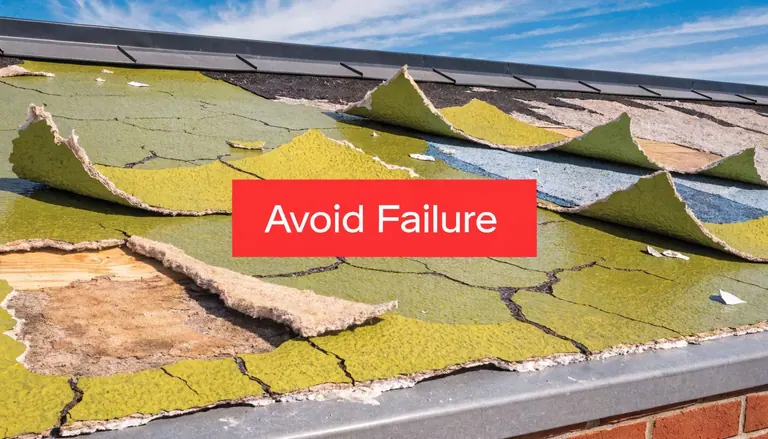
The common pattern is familiar. A roof with drainage issues gets coated with a material that doesn’t handle standing water well. Or a roof with underlying moisture gets cleaned just enough to look presentable. Or a contractor coats over weak seams and aging flashings because those repairs make the bid less competitive. The project looks finished. Then weather exposes what was never fixed.
The uncomfortable truth about failure data
One of the biggest problems in this category is that owners don’t get much hard guidance on long-term failures in severe weather markets. According to this review of commercial roofing trends and coating failures, a critical content gap exists around real-world coating failure rates, especially in hail-prone regions. The same source notes vendors rarely quantify failures tied to improper cleaning, poor substrate evaluation, or hail impact, leaving Texas facility managers underserved on how coatings perform in severe weather like Class 4 hail.
That gap matters because North Texas owners aren’t managing roofs in a lab. They’re managing roofs through hail, wind-driven rain, heat, and service traffic.
What actually causes premature failure
The root causes are usually less mysterious than the marketing makes them sound.
- Wrong material for the roof: Acrylic on a ponding flat roof is a common example.
- Weak surface prep: If contaminants stay on the roof, adhesion problems usually follow.
- Skipping repairs: Coating over open seams, failed flashing, or deteriorated details doesn’t restore the assembly.
- Poor substrate evaluation: A roof with extensive trapped moisture may not be a true coating candidate.
- Installer inconsistency: Detail areas often fail first because field application gets more attention than transitions.
- Unmanaged roof traffic: Service trades can damage vulnerable areas after installation if walk paths and access aren’t addressed.
A coating doesn’t correct structural movement, drainage defects, or neglected maintenance by itself. It only performs as well as the roof beneath it and the crew applying it.
Hail changes the conversation
In DFW, hail risk should be part of the specification discussion up front. Owners often assume a coating automatically adds storm resilience. Sometimes it helps. Sometimes it mainly restores weathering protection. Those are not the same thing.
The problem is that many proposals talk about UV and waterproofing but stay vague on impact performance in real storm conditions. If your building sits in a hail corridor, ask direct questions:
- How does this system typically behave after hail events on roofs like mine?
- Which details are most likely to crack, split, or lose adhesion after impact?
- How will post-storm inspections be handled?
- What signs of coating distress should my maintenance staff look for after a hail event?
If the answers stay generic, the contractor probably hasn’t thought through regional risk the way you need them to.
How owners reduce the odds of failure
Failure prevention starts before material selection and continues after the job is complete.
A practical approach looks like this:
- Insist on substrate testing and repair mapping before approval
- Match the coating to drainage reality, not idealized roof plans
- Document existing problem areas before work starts
- Schedule inspections after major storms, especially hail events
- Control foot traffic from HVAC and service contractors
- Treat the coating as a maintained system, not a permanent set-and-forget finish
The strongest coating projects are not the ones sold with the biggest promises. They’re the ones built around the most honest assessment of risk.
Selecting a Qualified DFW Roofing Contractor
By the time you’re comparing contractors for commercial flat roof coatings, the technical question is mostly settled. The bigger risk is execution. Good materials fail under careless crews. Average materials can perform well when the installer knows the roof, the climate, and the limits of the system.
That’s why contractor selection should be less about who talks the smoothest and more about who can show a disciplined process.
What to verify before signing
Use this checklist in every bidder conversation:
- Insurance and commercial experience: Ask whether they regularly work on occupied commercial properties with flat or low-slope systems.
- Inspection depth: They should explain how they evaluate moisture, drainage, membrane condition, seams, and penetrations before proposing a coating.
- Repair scope clarity: The proposal should separate prep, repairs, primers, reinforcement, and coating application instead of blending everything into vague line items.
- Weather-risk thinking: In DFW, they should be able to speak clearly about hail, ponding water, and storm follow-up.
- Warranty explanation: Ask what the warranty covers, what it excludes, and what owner maintenance is still required.
A useful parallel comes from outside roofing. This article on quality installations makes the same point clearly. High-end products don’t rescue poor installation. The workmanship is part of the product.
Questions that separate estimators from professionals
Ask for specifics, not general reassurance.
| Ask this | Why it matters |
|---|---|
| What would disqualify my roof from a coating project? | Serious contractors know when not to coat. |
| How do you handle seams, curbs, and penetrations? | Detail work often decides service life. |
| What prep steps are non-negotiable on this roof? | You want process discipline, not shortcuts. |
| How do you document conditions before and after the job? | Good records protect both owner and contractor. |
For owners who need repair context before deciding on restoration, this page on commercial flat roof repair is a useful reference point.
One local option in this market is Hail King Professionals, which provides commercial roof coatings, same-day inspections, and storm-related roof assessments in Dallas-Fort Worth and East Texas. What matters most is whether any contractor you consider can tie their recommendation to the actual condition of your roof rather than to a preferred product line.
If a contractor can’t explain why a coating should work on your building, they probably won’t know why it failed later.
The Next Step for Your Commercial Roof
A coating project pays off when two things are true. The roof is still a valid restoration candidate, and the system is matched to the building’s real conditions. In Texas, that means looking hard at drainage, membrane compatibility, storm exposure, rooftop traffic, and detail repairs before anyone talks about topcoat color or warranty terms.
That’s why commercial flat roof coatings shouldn’t be treated like a commodity. The product matters, but the diagnosis matters more. A coating can extend service life, reduce cooling load, and delay replacement. It can also disappoint fast when the roof underneath it was never properly evaluated.
If your building has leaks, weathering, or an aging flat roof and you’re trying to decide between repair, coating, and replacement, the smartest next move is a serious inspection. Get the roof mapped, get the trouble spots identified, and make the decision from evidence instead of guesswork.
If you want a clear recommendation for your building, schedule a no-obligation inspection with Hail King Professionals. A qualified assessment can tell you whether your roof is a real candidate for coating, what failure risks need to be addressed first, and whether repair, restoration, or replacement makes the most sense for your budget and your property.