From Estimate to Installation: How Much Does a New Roof Cost
Opening a roofing estimate can feel like deciphering a foreign language. The final figure rarely reflects just the price of shingles—it represents a complex equation of materials, labor, safety measures, and long-term protection. Many homeowners find themselves wondering why quotes vary so dramatically between contractors, or why a seemingly straightforward project carries such a substantial price tag.
This guide breaks down the new roof cost, transforming that confusing number into a transparent list of tangible investments. From the initial inspection to the final nail, multiple factors influence the total investment: roof size and complexity, material quality, labor expertise, and warranty coverage all play pivotal roles. Understanding these components helps homeowners make informed decisions and recognize the value behind every line item on their estimate.
The Anatomy of Your Roof: Size and Complexity
Measuring in Squares, Not Just Square Feet
The roofing industry measures projects in “squares,” with each square representing 100 square feet of roof area. This standardized unit forms the baseline for both material orders and labor calculations, allowing contractors to estimate quantities with precision. A typical suburban home might have 20 to 30 squares of roof area, but homeowners shouldn’t assume that doubling the square footage simply doubles the cost—other factors complicate this equation significantly.
The Pitch Factor
Roof steepness, measured as pitch, directly impacts installation costs by requiring additional safety equipment and slowing down the work process. Steep roofs demand specialized scaffolding, harness systems, and more cautious movement, which naturally extends the timeline and increases labor expenses. A low-slope roof that a crew can walk on freely takes considerably less time to complete than a steep-pitched Victorian home where every step requires careful footing and safety protocols.
Architectural Features and Waste
Complex roof designs featuring multiple valleys, dormers, chimneys, and turrets increase material waste as shingles must be cut to fit irregular angles. A simple gable roof might generate 10% waste, while an intricate design could push waste factors to 15% or higher, requiring additional materials beyond the basic square footage calculation. Every architectural feature adds beauty to a home’s exterior, but each also contributes to the material costs reflected in the final estimate.
Material Selection: Balancing Aesthetics and Performance
Shingle Tier Differences
Standard 3-tab asphalt shingles represent the most budget-friendly option, typically lasting 15 to 20 years with basic weather protection. Architectural (dimensional) shingles offer enhanced durability and visual depth, often lasting 25 to 30 years and providing better wind resistance. Premium luxury lines can extend lifespans beyond 40 years with superior impact resistance and distinctive aesthetic appeal, but these benefits come with corresponding price increases at each tier.
System Components You Don’t See
The visible shingles represent only one layer of a comprehensive roofing system. Beneath them, synthetic underlayment provides a critical waterproof barrier, while ice and water shields protect vulnerable areas like eaves and valleys from moisture intrusion. Starter strips along the roof edges ensure proper shingle adhesion and wind resistance, and while homeowners never see these components after installation, they form the foundation of a leak-free roof that honors manufacturer warranties.
Ventilation and Flashing Upgrades
Replacing old metal flashing around chimneys, skylights, and wall intersections prevents future leak points that could compromise an otherwise perfect roof installation. Upgrading attic ventilation through ridge vents and soffit vents extends shingle lifespan by regulating temperature and moisture levels, preventing premature deterioration from trapped heat. Many shingle manufacturers require proper ventilation as a condition of their warranty coverage, making these upgrades not just recommendations but necessary investments.
The Hidden Work: Tear-Off and Decking Assessment
Labor for Removal
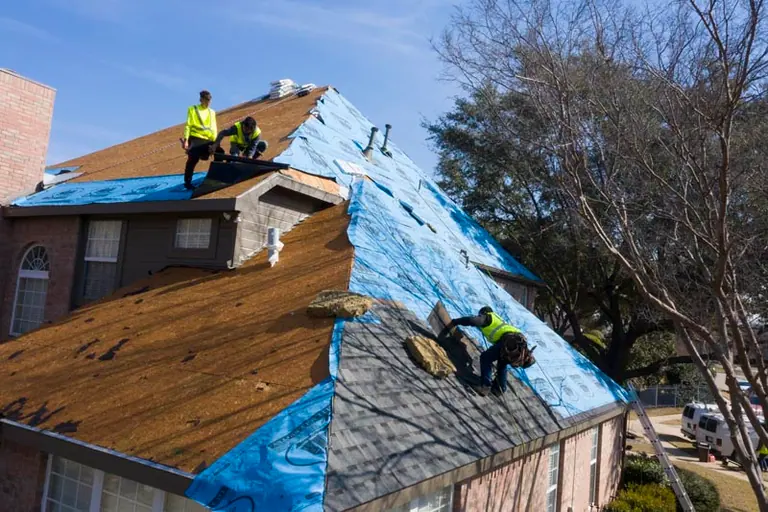
Stripping an old roof down to the deck involves intensive manual labor, with crews carefully removing and disposing of thousands of pounds of material. Homes with multiple layers of old roofing—a practice common in older properties—require significantly more time and effort to remove, which translates directly to higher labor costs. The physical demands of tear-off work, combined with the need for careful execution to avoid damaging the underlying structure, make this phase one of the most labor-intensive aspects of roof replacement.
The “Unknown” Variable: Rotten Wood
Once old shingles come off, contractors can properly assess the condition of the roof decking underneath—and unfortunately, water damage isn’t always visible from below or during initial inspections. Discovering rotten plywood sheets or deteriorated OSB requires immediate replacement to provide a stable nailing surface for new shingles.
Disposal and Dumpster Fees
Removing a roof generates tons of heavy debris that must be hauled away and properly disposed of at designated facilities. Renting appropriately sized dumpsters, loading the waste material, transporting it to landfills, and paying disposal fees all contribute to the project’s logistical costs. These expenses vary by location based on local landfill rates and haul distances, but they represent a necessary component of every tear-off project.
Labor Quality and Crew Expertise
Skilled vs. Unskilled Labor
The difference between hiring day laborers and employing a dedicated, trained crew affects both the installation quality and the project timeline. Skilled roofers understand manufacturer specifications, follow proper nailing patterns, and recognize potential issues before they become problems. While experienced crews command higher wages, their expertise translates to fewer callbacks, better warranty compliance, and a finished product that performs as intended for decades.
Insurance and Liability Coverage
A portion of every labor charge supports the contractor’s general liability and workers’ compensation insurance policies. These protections shield homeowners from devastating lawsuits if a worker is injured on their property or if accidental damage occurs during installation. Contractors operating without proper insurance may offer lower bids, but they transfer enormous financial risk to the homeowner—a gamble no responsible property owner should take.
Project Management Oversight
Professional roofing companies assign project managers to coordinate material deliveries, oversee quality control checkpoints, and maintain clear communication with homeowners throughout the installation. This oversight ensures that crews have the right materials when needed, that work meets company standards at each phase, and that any concerns get addressed promptly.
Job Site Protection and Cleanup Rigor
Property Preservation Measures
Protecting landscaping, driveways, air conditioning units, and windows requires deliberate planning and the right materials. Tarps shield plants and outdoor furniture from falling debris, while plywood sheets protect paved surfaces from heavy equipment and material loads. These precautionary steps take time and resources to implement properly, but they prevent costly damage to elements that have nothing to do with the roof itself.
Magnetic Sweeping and Debris Management
A thorough post-installation cleanup involves multiple passes with magnetic rollers across the entire property to collect stray nails and metal debris. Roofing nails pose serious hazards to bare feet, vehicle tires, and lawn equipment, making comprehensive cleanup a non-negotiable aspect of professional service. Reputable contractors allocate sufficient time for this final phase, understanding that a homeowner’s satisfaction depends on finding the property in better condition than before the project began.
Gutter Cleaning and Protection
Roofing projects inevitably deposit granules, small shingle pieces, and debris into gutter systems. Cleaning out gutters after installation ensures that the new roof can drain correctly from day one, preventing water backup that could undermine the fresh installation. This finishing touch, while relatively minor in the overall scope of work, demonstrates attention to detail and respect for the homeowner’s complete property system.
Warranties and Long-Term Security
Manufacturer Warranty Fees
Extended warranties from shingle manufacturers often require certified contractors to register the installation and may involve administrative fees for enhanced coverage periods. These upgraded warranties can extend material protection from standard 10-year coverage to lifetime guarantees against manufacturing defects. The registration process ensures that the installation meets manufacturer specifications, creating a documented record that proves valuable if warranty claims become necessary years down the road.
Workmanship Warranty Value
A strong workmanship warranty covers installation errors and craftsmanship issues for years after project completion, providing homeowners with recourse if problems emerge from improper installation techniques. Companies offering substantial workmanship guarantees stand behind their work with confidence, knowing their crews follow best practices that minimize future callbacks.
Transferability Benefits
Some premium roofing systems and warranties offer transferability features that can enhance home resale value by allowing the coverage to pass to new owners. This transferability makes a home more attractive to buyers who recognize the remaining years of protection on a major building component. While these enhanced warranty packages influence the initial investment, they provide tangible benefits both in immediate protection and potential future marketability.
The Contractor Factor: Why Who You Hire Matters
Overhead and Business Stability
Established roofing companies maintain office staff, vehicle fleets, training programs, and administrative systems that ensure business continuity and accountability. These overhead costs, while reflected in project pricing, guarantee that the company will exist five years from now to honor warranties and address any concerns. Fly-by-night operators with minimal infrastructure may disappear after collecting payment, leaving homeowners without recourse when issues arise.
Permitting and Code Compliance
Professional contractors handle the administrative work of pulling building permits and scheduling required inspections to ensure the installation meets local safety codes. Building departments verify that work complies with current wind load requirements, fire ratings, and structural standards designed to protect property and occupants. While permit fees and inspection coordination add to project costs, they provide legal compliance and documentation that protects homeowners during insurance claims or property sales.
The Professional Partnership Advantage
While “truck-and-ladder” roofers may offer lower initial bids, partnering with an established roofing company ensures transparency, accountability, and a finished product engineered to withstand decades of weather exposure. Professional firms provide detailed contracts, maintain liability coverage, employ trained crews, and stand behind their work with substantial warranties. The difference in investment between the lowest bid and a comprehensive professional service often measures far less than the potential cost of a failed installation or an uninsured accident.
Understanding Value Beyond the Bottom Line
A new roof represents a complex construction project involving carefully selected materials, skilled labor, comprehensive logistics, and protective insurance—not simply a purchase of shingles. Each line item on a professional estimate reflects a tangible component that contributes to the system’s performance and longevity. The lowest bid rarely delivers the best value when considering material quality, installation expertise, warranty strength, and contractor stability.
Homeowners benefit most by evaluating estimates holistically rather than focusing solely on the final number. A transparent quote that details every material, labor component, and protection measure allows for informed comparison and reveals which contractors prioritize quality and accountability. The roof protects everything beneath it—family, possessions, and the building structure itself—making it worthy of careful consideration and appropriate investment.
For a detailed, transparent estimate that prioritizes long-term protection and honest communication, schedule a comprehensive inspection with a certified roofing professional. Understanding exactly what determines the cost of a new roof empowers homeowners to make confident decisions about one of their property’s most critical systems.
Hail King Pros
https://maps.app.goo.gl/NkHUXFd1ZvQidxhP8
1900 Industrial Blvd Ste 200, Colleyville, TX 76034, United States
(682) 235-2880
https://hailkingpros.com/