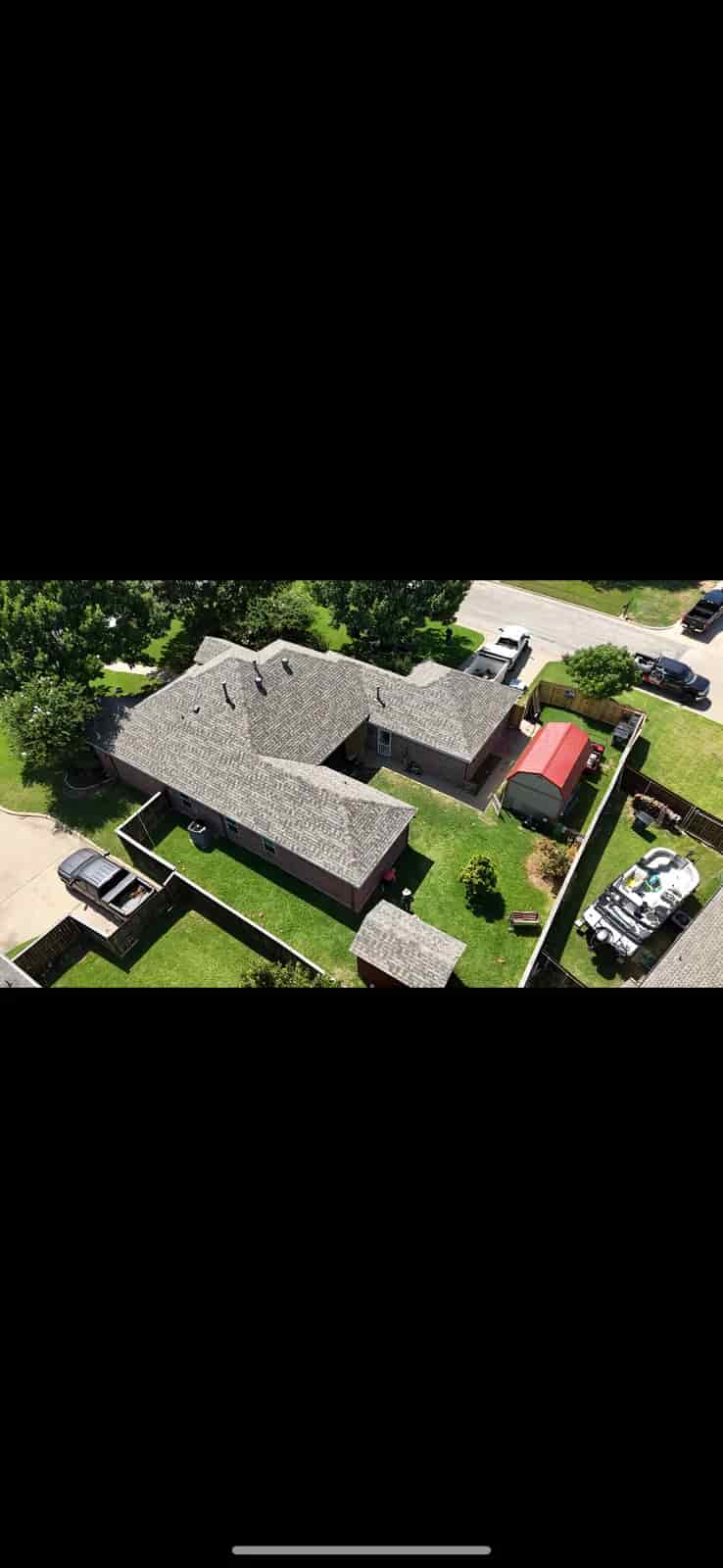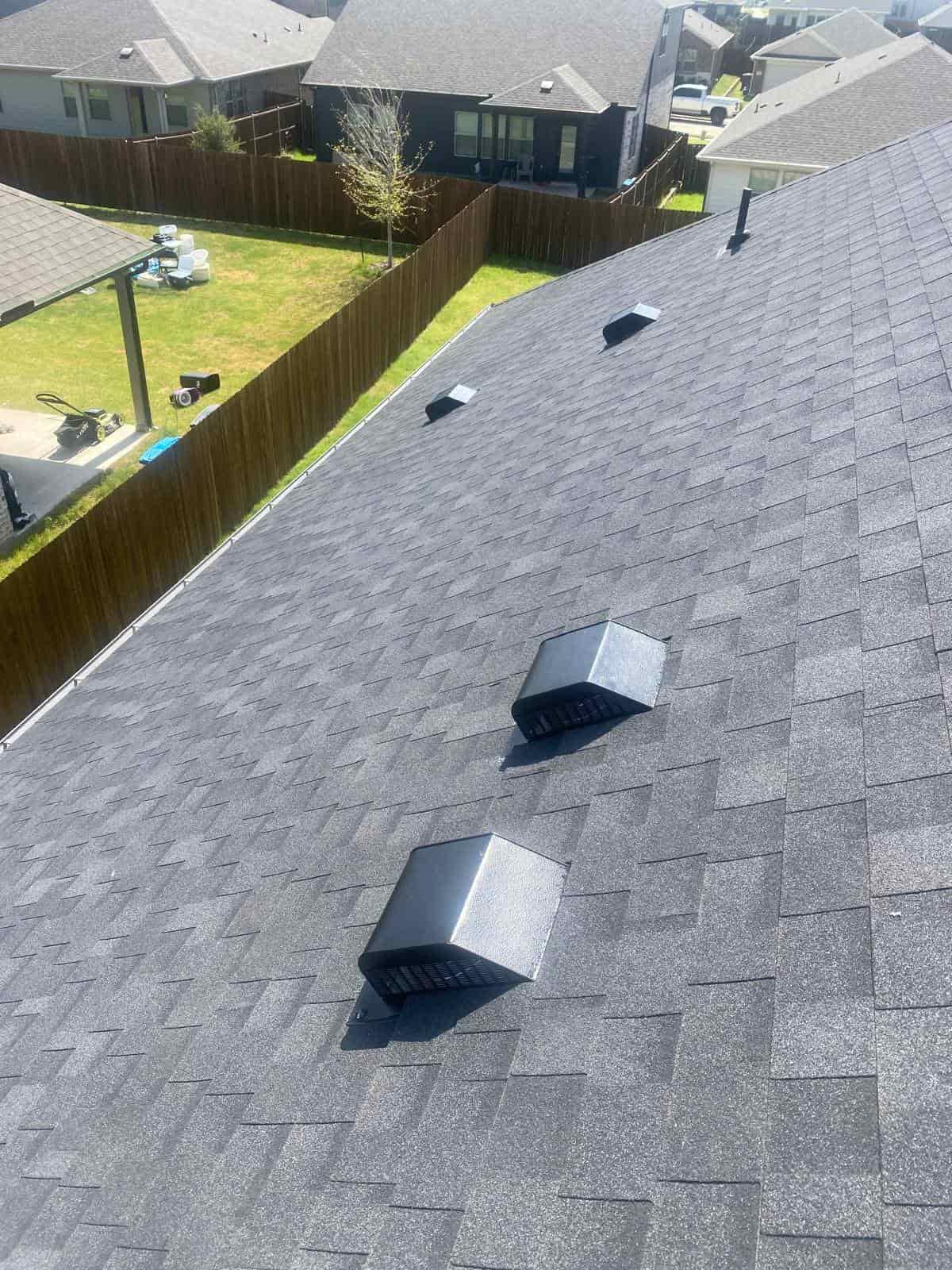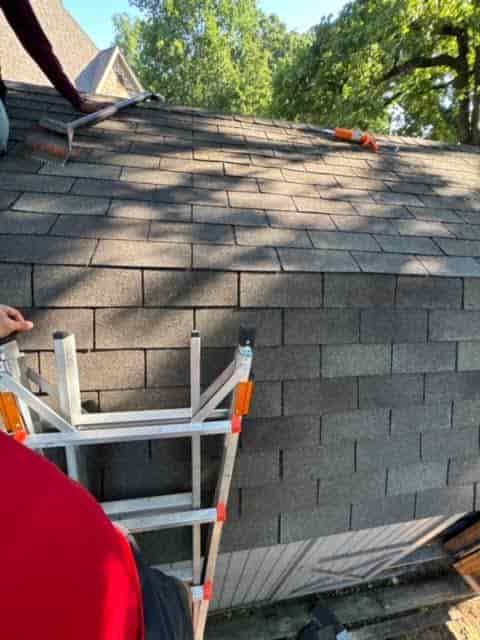


Leaking Roof
Leaking Roof: Immediate Steps Every Homeowner Should Take
A water stain spreading across your ceiling or a persistent drip echoing from the attic can trigger instant alarm. Your roof, the primary shield protecting your home from the elements, has been compromised. The sight of water invading your living space signals an urgent problem that demands immediate attention, not just for the visible damage, but for the hidden threats that can escalate rapidly if left unchecked.
This guide provides clear, actionable steps to take the moment you discover a leaking roof. By following these instructions, you can control the situation, minimize damage to your home and belongings, and prepare the groundwork for a professional solution. You will learn how to contain water damage inside your home, identify where the leak is entering, perform safe temporary measures, document everything for insurance purposes, and understand when to call in experts like Hail King Pros to ensure a permanent fix. Taking swift, correct action during this critical window can mean the difference between a manageable repair and a costly restoration project.
Immediate Damage Control Inside Your Home
Contain the Drip
Place buckets, large pans, or waterproof tarps directly beneath the source of the drip to catch falling water before it soaks into flooring, carpets, or furniture. If water is spreading across a surface, use towels or absorbent materials to create barriers that direct the flow toward your collection containers. Regularly empty these containers to prevent overflow, and consider using multiple buckets if the leak is severe or producing a high volume of water.
Relieve Water Pressure in Ceilings
If you notice a ceiling bulging or sagging with trapped water, it’s essential to release that pressure in a controlled manner before the entire section collapses. Using a screwdriver or similar small tool, carefully puncture the lowest point of the bulge to allow the water to drain into a bucket placed below. While this may seem counterintuitive—creating a hole to stop water damage—it prevents a much larger and more destructive ceiling failure that would cause significantly more damage to your home and belongings.
Move and Protect Valuables
Immediately relocate furniture, electronics, artwork, and irreplaceable personal items away from the affected area to protect them from water exposure. Water and electricity create a dangerous combination, so unplug any electrical devices in the vicinity and avoid standing in pooled water near outlets or appliances. Cover remaining items with plastic sheeting if they cannot be moved, and consider placing aluminum foil or waterproof material under furniture legs to prevent moisture absorption into wood.

Locating the Source of the Leak
Start in the Attic
The attic provides the best vantage point for tracing a leak to its source. During daylight hours, carefully enter your attic and look for water stains, dark spots, mold growth, or wet insulation on the underside of the roof deck. A flashlight can help you spot glistening moisture or active dripping. Be cautious when walking in the attic—step only on solid framing members or secured boards, never on insulation or drywall, as these will not support your weight.
Tracing the Path of Water
Water obeys gravity but doesn’t always fall straight down. It often travels along the underside of roof sheathing, runs down rafters, or follows electrical wires before finding a gap to drip through. From the wet spot you’ve identified in the attic, trace the moisture “uphill”—moving toward the highest point of the roof—to locate where water is actually penetrating the roofing system. Look for discoloration, dampness, or any signs of water movement along the roof structure.
Common Exterior Culprits
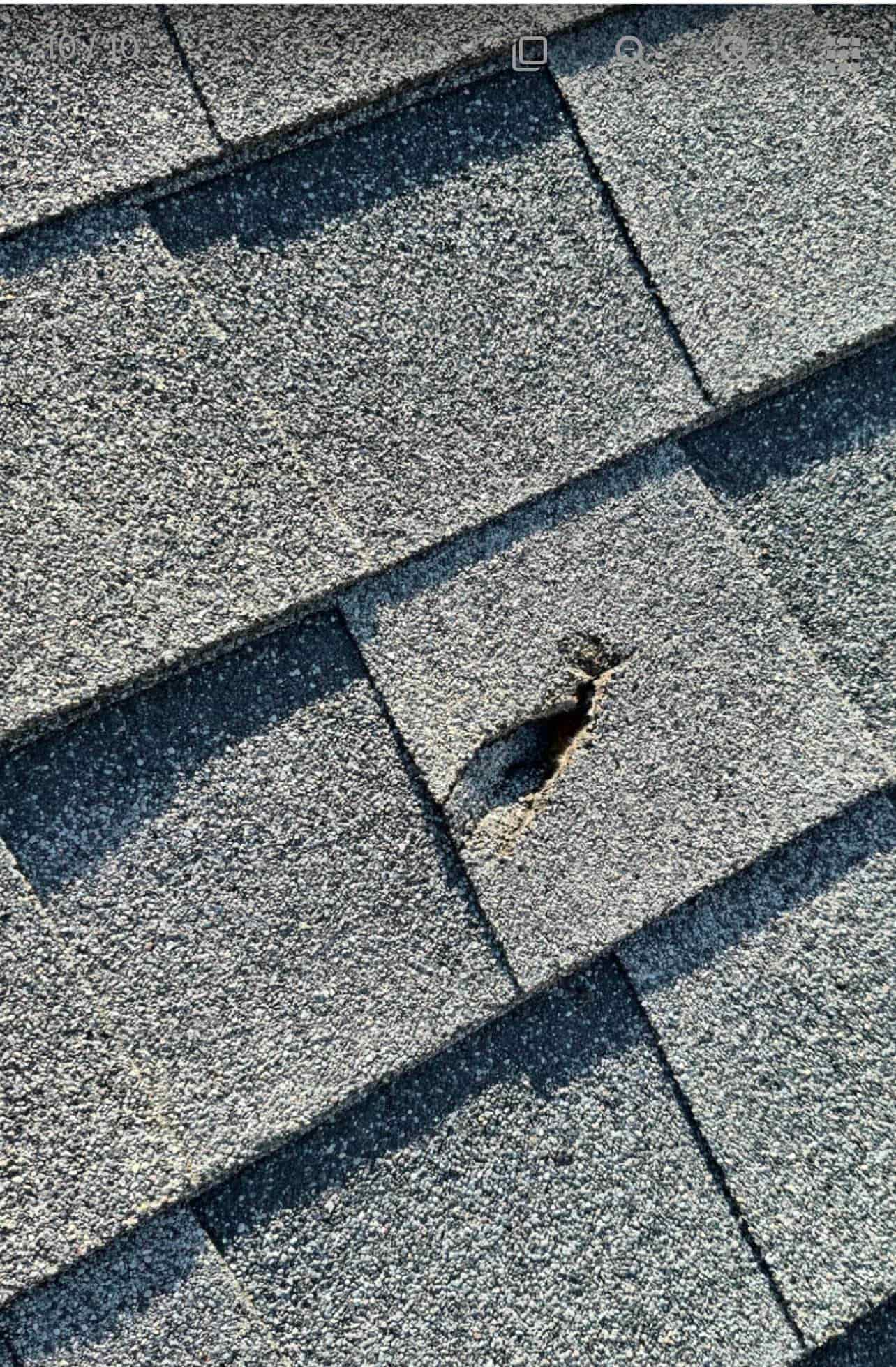
Understanding typical failure points helps narrow down the search. Common sources of roof leaks include missing, cracked, or curling shingles that expose the underlayment beneath them. Flashing—the metal strips that seal joints around chimneys, skylights, dormers, and roof valleys—can deteriorate, crack, or separate over time. Pipe boots (the rubber seals around vent pipes) dry out and crack with age and sun exposure. Clogged gutters cause water to back up under shingles, particularly at the roof’s edge.
Safe, Temporary Exterior Fixes
The Dangers of DIY Roof Work
Climbing onto a roof is inherently dangerous, particularly when surfaces are wet, steep, or obscured by debris. Falls from roofs result in thousands of serious injuries every year. These temporary measures should only be attempted if the roof is low-pitched, easily accessible, completely dry, and you are comfortable working at heights. If there is any doubt about safety, wait for professional help rather than risking injury.
Applying Emergency Roof Tarping
A properly secured tarp can provide effective short-term protection during rain until permanent repairs can be made. Choose a heavy-duty, waterproof tarp that extends at least four feet beyond the damaged area on all sides—crucially, it must extend past the leak source and over the roof’s peak if possible to prevent water from seeping underneath. Secure the tarp using smooth boards (2x4s work well) placed along the edges and weighted down with sandbags or other heavy objects.
Using Roofing Cement or Sealant
For small, easily accessible damage such as a lifted shingle corner or a minor crack in flashing, roofing cement or high-quality silicone caulk can serve as a temporary seal. The surface must be completely dry before application, as these products will not adhere to wet materials. Apply a generous amount to cover the damaged area and extend slightly beyond it, then press down firmly to ensure a good bond.
Documenting the Damage for Insurance
Photograph and Video Everything
Use your smartphone or camera to capture extensive visual evidence of both interior and exterior damage. Inside, photograph water stains on ceilings and walls, damaged flooring, affected furniture, and any personal property that was harmed. If safely possible, document the exterior source of the leak, showing damaged or missing shingles, compromised flashing, or other visible problems. Take photos from multiple angles and distances—close-ups show detail, while wider shots provide context. Video can be particularly effective for showing the extent of active leaking or water flow.
Create a Written Log
Start a detailed journal documenting the entire timeline of events. Record the date and time you discovered the leak, weather conditions at the time, all actions taken to contain and mitigate damage, and any conversations with contractors, adjusters, or your insurance company. Include specific details such as which rooms were affected, what emergency measures were taken, and when professional help was contacted.
Keep All Receipts
Save receipts for every purchase related to the leak, including emergency supplies like tarps, buckets, towels, and any materials used for temporary repairs. Also keep invoices for professional emergency services, such as tarping or water extraction. Many insurance policies reimburse policyholders for reasonable expenses incurred to prevent further damage after a covered loss.

The Professional Inspection: What to Expect
A Thorough Roof-to-Foundation Assessment
A professional inspection examines the entire roofing system, not just the area around the visible leak. This includes checking all shingles, flashing, underlayment, ventilation components, gutters, and downspouts. The inspector will also examine the attic for signs of moisture, inadequate ventilation, or structural concerns, and assess the interior spaces below for hidden water damage.
Identifying Underlying Issues
An experienced professional can determine whether the leak is an isolated incident or a symptom of larger systemic problems. Poor attic ventilation can trap moisture and lead to premature roof deterioration. An aging roof nearing the end of its expected lifespan may have multiple weak points that make repeated leaks inevitable. Storm damage might have affected areas beyond the obvious breach.
Receiving a Detailed Repair Plan
After the inspection, expect to receive a written estimate that clearly outlines all recommended repairs, the specific materials that will be used, a realistic timeline for completion, and a breakdown of costs. This document should explain why each repair is necessary and what problems it will address. A detailed plan allows you to make informed decisions, compare proposals if you seek multiple opinions, and provides a clear agreement that protects both you and the contractor throughout the project.
From Repair to Restoration: The Permanent Solution
Targeted Repair vs. Full Replacement
Not every roof leak requires a complete roof replacement. If the roof is relatively new, in generally good condition, and the damage is localized, a targeted repair may be entirely sufficient and cost-effective. However, when a roof is approaching or beyond its expected lifespan, has widespread deterioration, or would require multiple separate repairs, a full replacement often proves more economical in the long run.
Addressing Interior Damage
Roof repair is only half of the restoration process. After the leak is sealed, attention must turn to the interior damage. Affected areas must be thoroughly dried to prevent mold growth—this often requires professional drying equipment for serious water intrusion. Soaked insulation loses its effectiveness and may need replacement. Water-stained or damaged drywall should be cut out and replaced, then painted to match existing surfaces. Flooring, trim, and any other affected materials must be evaluated and restored.
Upgrading for Future Prevention
Repairing a roof leak presents an opportunity to make improvements that enhance protection against future damage. Upgrading to a high-performance synthetic underlayment provides better water resistance than standard felt paper. Installing impact-resistant shingles offers protection against hail damage. Improved attic ventilation extends roof life and prevents moisture problems. Enhanced flashing systems around vulnerable areas reduce the likelihood of future leaks.
The Hail King Pros Advantage: Your Partner in a Crisis
Rapid-Response Emergency Services
Hail King Pros understands that roof leaks don’t wait for convenient business hours. Their team offers prompt emergency services, including professional tarping and temporary protection measures, to secure your home and prevent additional damage while a permanent repair plan is developed. This rapid response can save thousands of dollars in secondary damage and provides immediate peace of mind when you need it most.
Expert Diagnostics and Honest Assessments
Accurate diagnosis is the foundation of effective repairs. The experienced team at Hail King Pros conducts thorough inspections using proven techniques to identify not just the obvious leak source, but any underlying issues that contributed to the failure. They provide honest, transparent recommendations that explain what repairs are necessary, why they’re needed, and what results you can expect.
Comprehensive Insurance Claim Assistance
Navigating insurance claims can be complex and overwhelming, particularly when dealing with the stress of home damage. Hail King Pros has extensive experience working with insurance companies and understanding policy language, documentation requirements, and the claims process. They can assist homeowners in preparing thorough documentation, communicating effectively with adjusters, and ensuring that all covered damage is identified and included in the claim.

Don’t Let a Small Drip Become a Major Disaster
Discovering a roof leak is undeniably stressful, but taking swift and correct action can significantly limit the damage, reduce costs, and speed up recovery. The key is to immediately control the water, protect your belongings, thoroughly document everything for your insurance company, and engage a trusted professional who can diagnose the problem accurately and provide a lasting solution.
A roof leak will not improve on its own. Water damage compounds quickly, leading to mold growth, structural deterioration, and mounting repair costs. Every hour of delay allows more water to enter your home and cause additional harm. If you have a leaking roof, don’t wait and hope the problem resolves itself. Contact Hail King Pros immediately for expert assistance, professional repairs, and the peace of mind that comes from knowing your home is protected by experienced professionals who stand behind their work.
Hail King Pros
https://maps.app.goo.gl/NkHUXFd1ZvQidxhP8
1900 Industrial Blvd Ste 200, Colleyville, TX 76034, United States
(682) 235-2880
https://hailkingpros.com/