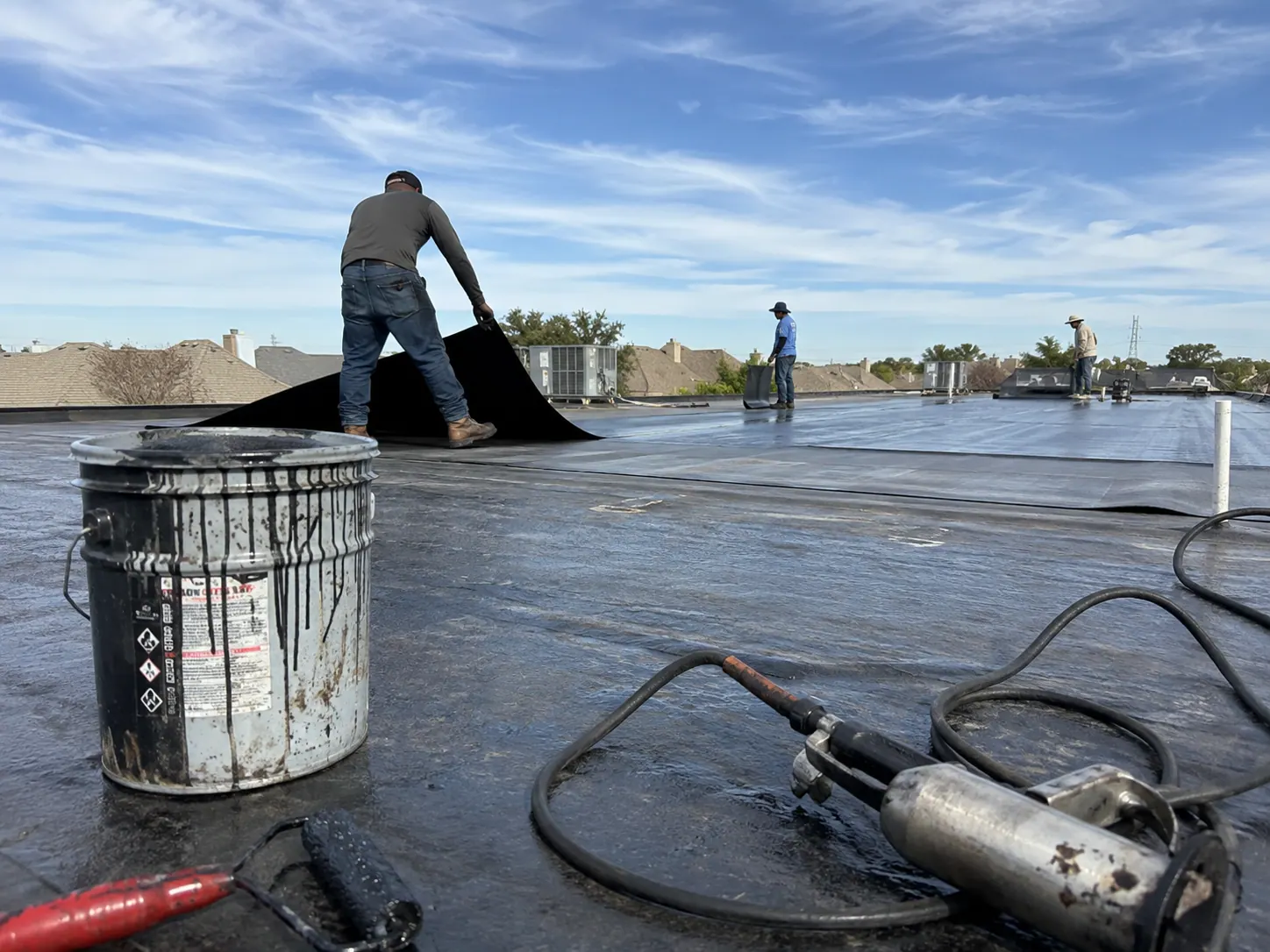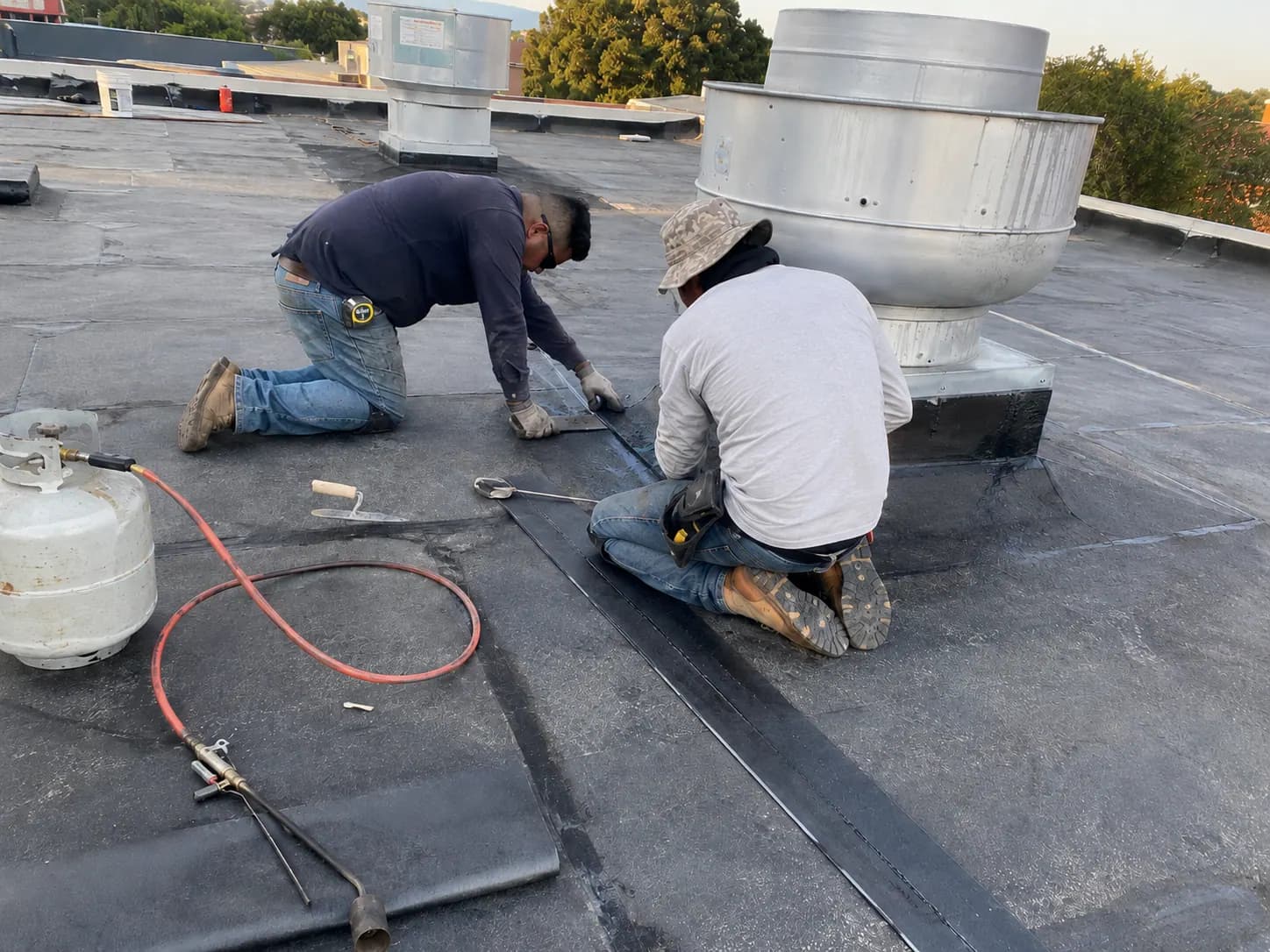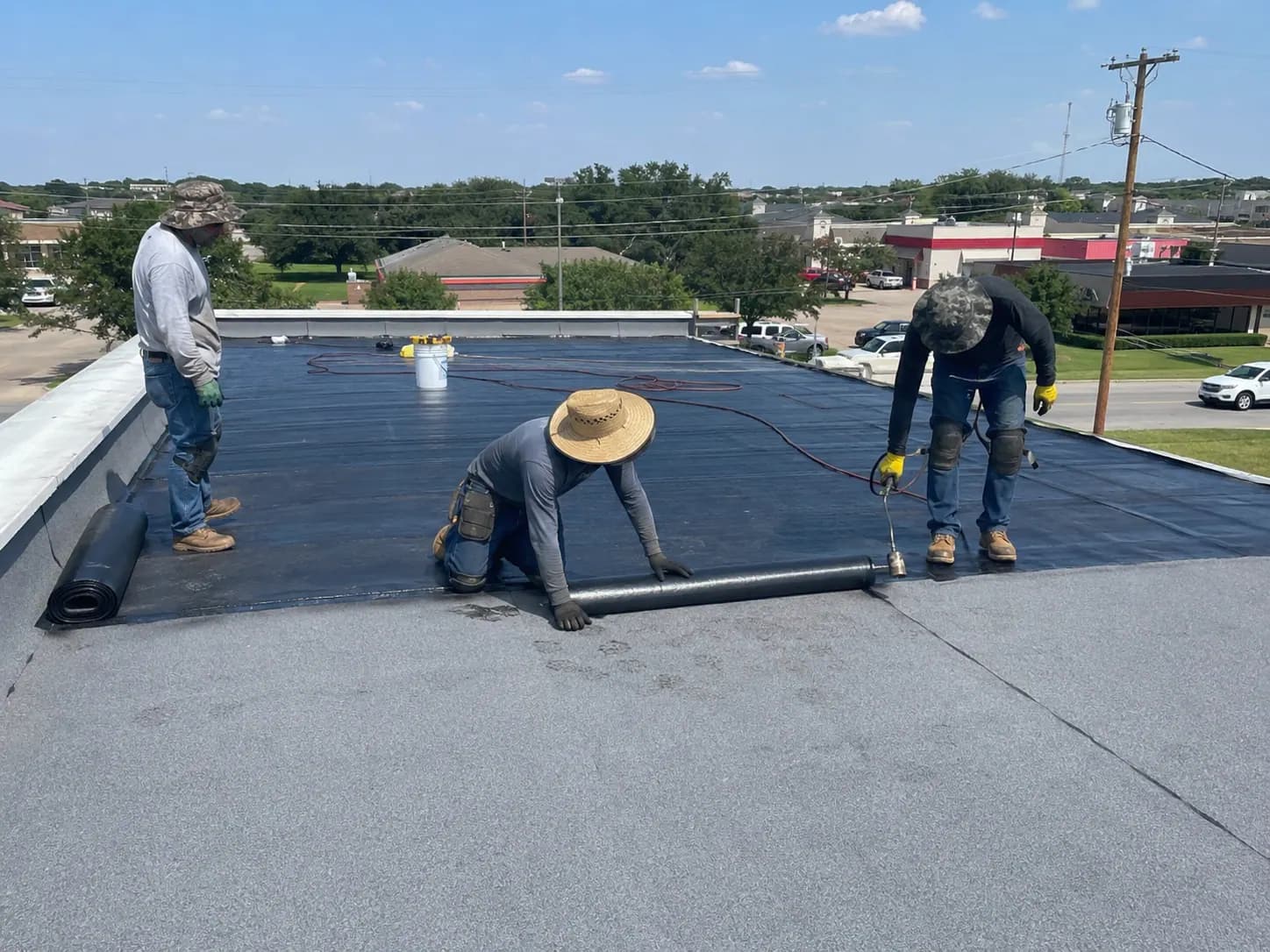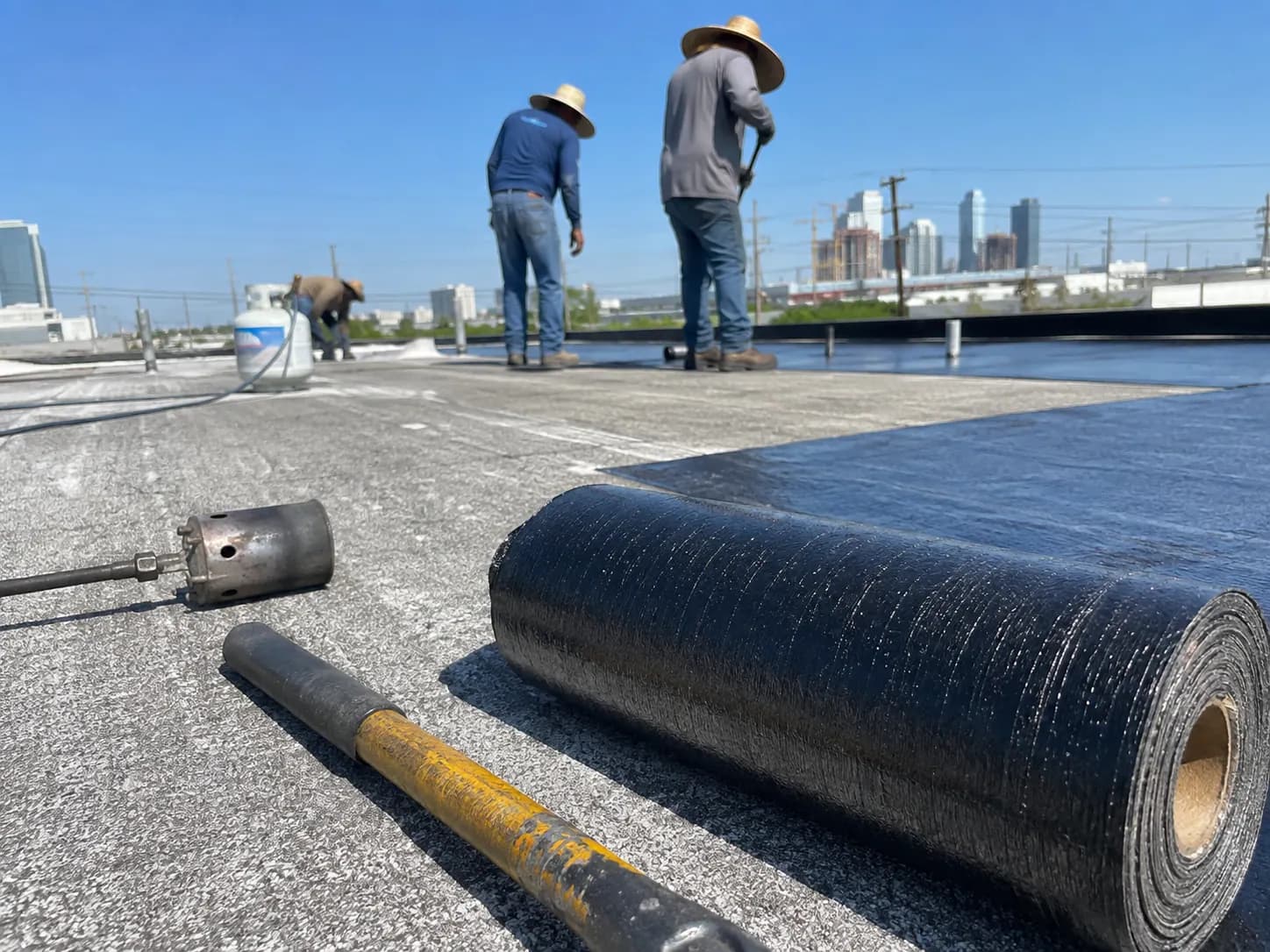
Modified Bitumen Roof Maintenance: Texas Guide 2026

Modified Bitumen Roof Maintenance: Texas Guide 2026

Storm season is rolling in, and a lot of Texas property owners are staring at a low-slope roof wondering the same thing. Is that modified bitumen roof still doing its job, or is the next hailstorm going to turn a manageable issue into interior damage, tenant complaints, and a rushed repair call?

That concern is justified. In Dallas, TX, Fort Worth, TX, Arlington, TX, and across East and Central Texas, a roof can take punishing heat for months, then get hit with hail, wind, and hard rain in a single afternoon. Modified bitumen is a solid roofing system for commercial buildings, offices, retail centers, and multi-use properties, but it doesn't stay reliable on its own. The owners who get the most service from it are the ones who treat modified bitumen roof maintenance as asset protection, not as an afterthought.

A flat or low-slope roof usually doesn't fail all at once. It starts with loose granules, a seam that begins to lift, blocked drainage, a softened area near a penetration, or impact damage that looks cosmetic from the ground. Left alone, those small problems turn into leaks, saturated insulation, and shortened roof life. That pattern shows up again and again on Texas buildings.

Protecting Your Commercial Property from Texas Weather

A familiar call comes in after a North Texas storm. The parking lot took a hit, a few metal panels are dented, and nobody sees a dramatic opening in the roof, so the building goes back to normal. Then the next hard rain finds the weak spot first.

On a modified bitumen roof, hail damage often starts with granule loss, not a clean tear. That detail gets missed all the time. Once hail knocks protective granules loose, the cap sheet has less defense against Texas sun, standing water, and repeated thermal movement. The roof may still look serviceable from the access ladder, but the aging process has already sped up.

That matters in Texas because hail is not a rare event. The National Weather Service storm reports show repeated hail activity across the state every year, especially through North and Central Texas. For owners and property managers, the maintenance question is not whether the roof will face impact exposure. It is how quickly someone catches the damage before it turns into leaks, wet insulation, or interior disruption.

Modified bitumen remains a solid choice for many commercial buildings. It handles low-slope drainage conditions well, and it generally tolerates service traffic better than many single-ply systems. But performance in Texas depends heavily on what happens after storms. A roof that gets checked early and repaired with purpose usually stays in service longer than one that gets a quick visual from the hatch and nothing else.

Practical rule: If hail hit the property hard enough to mark metal, gutters, or condenser fins, the modified bitumen roof deserves a close inspection for granule loss and impact bruising.

That is especially true for warehouses, retail centers, office buildings, and multi-tenant properties where one slow leak can affect inventory, ceilings, electrical components, and tenant relationships at the same time.

Why Texas conditions age modified bitumen faster

Texas weather attacks this roof system in layers.

  • Hail strips away granules that help shield the membrane from UV exposure and surface wear.
  • Heat bakes exposed areas once that protective surface is thinned out.
  • Heavy rain finds weak drainage patterns and keeps damaged sections wet longer.
  • Wind stresses seams, edge metal, and flashing details that may already be vulnerable after a storm.

The under-addressed problem is the combination of hail and heat. I see roofs that survive the storm structurally, then decline faster over the next season because the cap surface took more impact than the owner realized. That is one reason generic maintenance advice often falls short in Texas. It talks about leaks and seams, but not enough about hail-related granule loss as an aging trigger.

What good protection looks like in practice

Smart owners build storm response into their maintenance routine. They document roof condition, inspect after hail, and keep records that support both repair decisions and claim discussions. If you want a simple recordkeeping tool, use this roof inspection checklist template for commercial roof reviews.

They also know when to bring in a contractor instead of relying on a maintenance walk-through. Granule loss, membrane bruising, and subtle flashing damage can be easy to miss unless someone is trained to read low-slope impact patterns. That is the point where help from Hail King Professionals becomes important. We can tell the difference between normal wear and storm damage that is already shortening the roof's service life.

Your Essential Modified Bitumen Inspection Checklist

A good inspection isn't just a walk around the roof. It's a disciplined look at the parts of the system that fail first. For modified bitumen roofs, inspections should ideally happen semi-annually through a manufacturer-approved contractor so blocked drainage, damaged wall joints, and seal degradation get caught before they accelerate aging, as noted in Siplast's roof maintenance and repair guidance.

If you want a simple companion document for your records, use a roof inspection checklist template for property reviews.

An infographic checklist for performing a regular inspection of a modified bitumen roofing system.

Surface condition

Start with the field of the roof. Walk it carefully and look for changes in texture, coating, and granule coverage.

  • Loose or missing granules matter because the cap surface is part of the roof's UV defense.
  • Blisters or bubbles can point to trapped moisture or air below the membrane.
  • Splits, cuts, and punctures are direct entry points for water.
  • Soft spots underfoot can suggest moisture below the membrane or damage in the insulation layer.

On Texas roofs, the difference between normal wear and active deterioration often shows up in patterns. Random isolated scuffs from service traffic are one thing. Repeated wear paths to rooftop equipment are another.

Seams and lap areas

Modified bitumen roofs depend on clean, secure seams. Once a seam starts to separate, water gets a path under the membrane.

Check these closely:

  • Side laps and end laps for lifting edges
  • Fishmouths or curled edges that indicate poor bond or movement
  • Surface cracking along seams where age and heat have worked on the asphalt
  • Old patch edges that may be drying out or pulling back

A seam that looks only slightly open on a dry day can become a leak during wind-driven rain.

Flashings and penetrations

The trouble spots on most flat roofs aren't in the open field. They're around transitions and rooftop equipment.

Look at:

  • Pipe flashings for cracks or pull-away
  • HVAC curbs for movement and failed sealant
  • Wall flashings and parapet transitions where water can enter behind the membrane
  • Roof edges where wind pressure is strongest

A modified bitumen roof can still look solid overall while failing around one curb or one wall intersection. That's why these details deserve more time than the broad roof surface.

Drainage and housekeeping

A roof can only shed water if the drains and flow paths stay open.

Use this quick review:

Area What to look for Why it matters
Drains Leaves, trash, sediment Blockages hold water on the membrane
Scuppers Debris or restricted flow Water backs up fast during hard rain
Gutters Overflow stains, buildup Edge drainage problems often start here
Low areas Standing water after storms Persistent ponding stresses the system

Signs that deserve immediate follow-up

Not every finding is an emergency, but some shouldn't wait:

  • Fresh interior staining
  • Open seams near penetrations
  • Blisters that have split
  • Wet insulation suspected beneath soft areas
  • Visible impact damage after hail

If you see any of those, move from routine roof maintenance to a professional repair assessment.

Texas Proofing Your Roof Through the Seasons

Texas roof maintenance isn't one task repeated year-round. What helps in spring isn't the same as what matters after a hail event in North Texas or a long heat stretch in San Antonio, TX. Seasonal timing changes what you should look for and what kind of wear matters most.

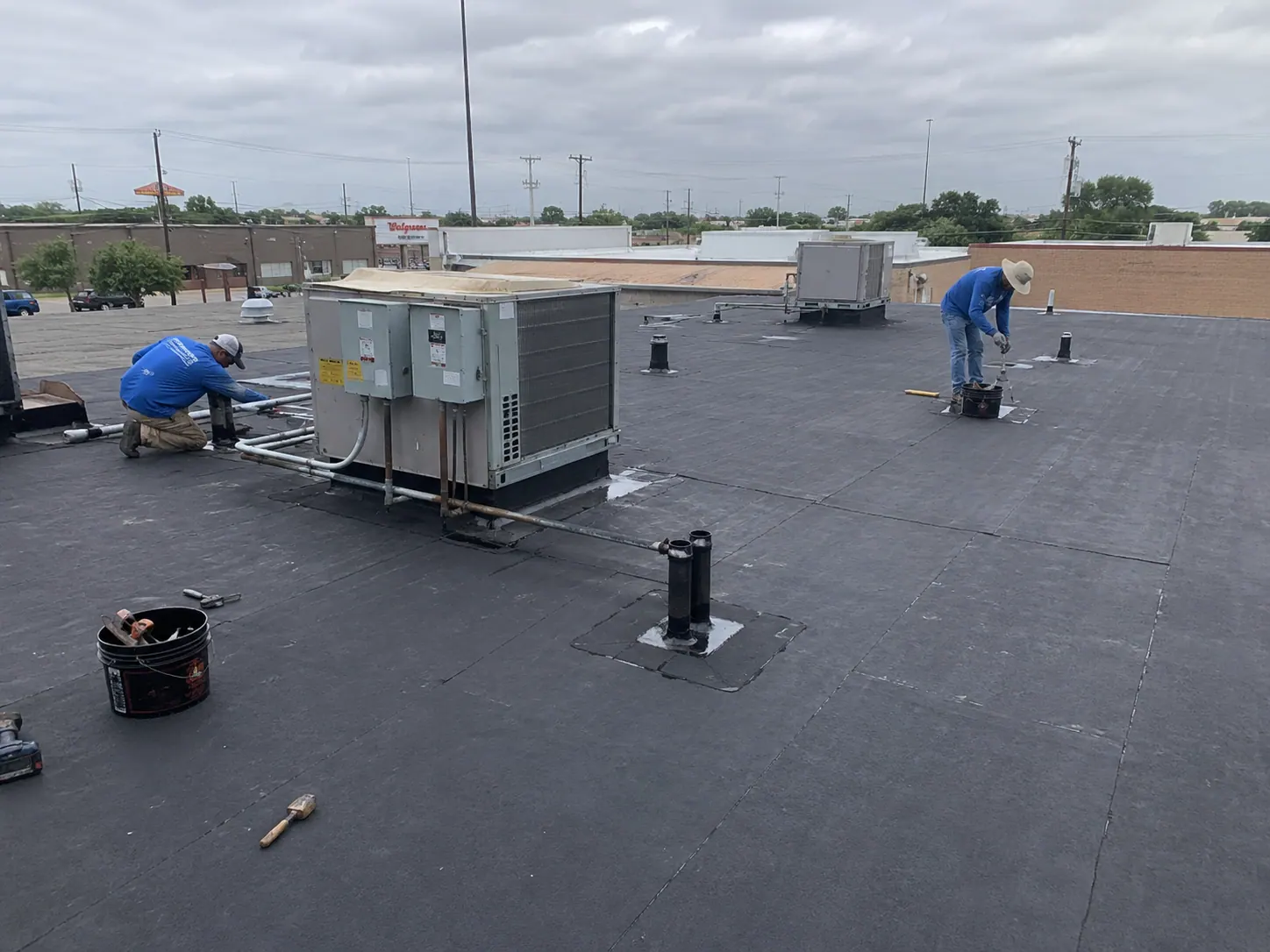
A wide angle view of a flat commercial roof with an HVAC unit and plumbing vents.

Before the heat sets in

By late spring, roofs in Round Rock, TX, Georgetown, TX, New Braunfels, TX, and San Marcos, TX are already building heat load. That's when surface wear starts to matter more. Areas with weakened granule coverage, aging sealant, or rough traffic paths are more vulnerable once the roof starts absorbing day after day of sun.

A pre-summer review should focus on housekeeping and exposure control.

  • Clear debris so drains and scuppers can move water quickly when storms hit.
  • Limit unnecessary foot traffic and use walk pads in service routes where technicians cross often.
  • Address minor defects early because heat tends to widen and worsen them.
  • Consider reflective coatings where the roof is a good candidate, since reflective coatings help reduce thermal shock and UV damage according to guidance on common modified bitumen roof issues and maintenance.

After hail and severe thunderstorms

Many generic maintenance articles fall short. They tell owners to look for punctures, branches, and ponding water. That advice is fine, but it misses one of the most important Texas-specific issues on modified bitumen roofs. Hail-related granule loss.

Recent 2024 to 2025 storm data from Texas and Oklahoma shows modified bitumen membranes can lose up to 40% of surface granule adhesion after 1.5-inch hail events, which can accelerate UV weathering by 3 to 5 years, according to Texas-focused modified bitumen storm maintenance data. That's a serious concern in Dallas-Fort Worth because many roofs look broadly intact after hail even though the protective surface has been compromised.

What hail-related granule loss looks like

It doesn't always announce itself with a dramatic tear. More often, you'll see:

  • Patchy bald spots where granules have been knocked loose
  • Uneven surface texture across impact zones
  • Concentrated loss near roof edges or exposed sections
  • Damage around rooftop equipment where turbulence changes impact patterns

Don't judge a modified bitumen roof by leak activity alone after hail. A roof can stay watertight for the moment and still lose years of service life.

During storm season cleanup

In Tyler, TX, Longview, TX, and Marshall, TX, summer storms often leave roofs cluttered with limbs, leaves, and grit. That debris does more than look messy. It traps moisture, blocks drains, and hides surface damage.

A practical storm-season routine should include:

  1. Ground-level exterior review for obvious debris and edge damage.
  2. Interior check for stains, active drips, and damp odors near penetrations.
  3. Roof cleanup focused on drains, corners, and behind equipment.
  4. Targeted follow-up inspection if hail, wind, or flying debris hit the property directly.

That sequence catches more real damage than a quick glance from the parking lot.

Common Failures and How to Address Them

Modified bitumen roofs usually fail in recognizable ways. Once you know those patterns, it's easier to separate a minor issue from a sign of broader trouble. The most common problems are blistering, splitting, ridges, and ponding water. Each has a different cause, and each needs the right repair approach.

A chart illustrating common modified bitumen roof failures like blistering and ponding water along with their solutions.

The failure patterns seen most often

Here's the practical read on what these issues usually mean:

  • Blistering often points to trapped moisture or air that expands when the roof heats up.
  • Splitting is commonly tied to movement, aging, or stress from expansion and contraction.
  • Membrane ridges can develop from poor adhesion or movement in the substrate below.
  • Ponding water usually signals clogged drainage, slope problems, or structural deflection.

Some of these conditions can stay stable for a period. Others deteriorate quickly once the membrane opens.

What a proper patch repair actually involves

A lot of bad flat-roof repairs happen because someone treats a membrane defect like a simple surface patch. It isn't. The accepted protocol is more methodical.

The definitive repair method includes confirming water infiltration at the opening, opening the membrane to inspect the insulation and deck, removing wet insulation, preparing the substrate, cleaning the membrane, cutting a patch of like material with rounded corners that extends at least 8 inches beyond the defect in all directions, and then installing it with hot asphalt, cold adhesive, or heat welding per manufacturer specifications, as described in this modified bitumen patch repair protocol.

The pro method in plain language

A proper repair usually follows this sequence:

  1. Confirm the problem area
    Don't patch first and investigate later. The technician needs to verify where water entered and whether it has reached the insulation or deck.

  2. Open and assess the assembly
    If insulation is wet, it has to come out. Covering over trapped moisture is one of the fastest ways to create a repeat failure.

  3. Prepare a clean bonding surface
    The membrane surface has to be free of debris, contaminants, and loose surfacing. Aggregate-embedded areas need extra prep so the new patch can bond.

  4. Match the patch material to the system
    Material compatibility matters on modified bitumen. The patch should be cut from like material and shaped with rounded corners so edges resist peeling.

  5. Install under the right conditions
    Adhesive method, heat method, and asphalt method each have to follow the manufacturer's requirements for that roof system.

A durable patch starts before the patch goes on. Dry substrate, clean membrane, and compatible materials decide whether the repair lasts.

Why quick fixes fail

The main reason ad-hoc repairs disappoint is that they only address the visible top layer. They don't correct moisture below, bond failure at the edges, or contamination on the membrane. A roof cement smear over a split may slow a leak briefly, but it doesn't restore the assembly the way a full patch detail does.

A second mistake is assuming every blister should be cut open and covered. That can create a larger defect if the surrounding membrane is brittle or the substrate is still damp. The right response depends on what caused the blister and whether the membrane remains stable around it.

A simple field guide for decision-making

Problem found Watch it Repair it soon Bring in a roofer now
Small isolated surface wear Yes Sometimes If it follows hail
Open split in membrane No Yes Yes, if moisture is suspected
Large soft area No No Yes
Repeated ponding No Yes Yes, if drainage correction is needed

That's where experience matters. The same symptom can call for a small repair on one roof and a larger moisture investigation on another.

When to Call Your Local Roofing Contractor

Some modified bitumen upkeep is basic property care. Keep the roof clean. Watch the drains. Document storm events. Schedule inspections. But there's a clear line between maintenance and repair work that needs a qualified roofer.

If you're searching for a commercial roofing contractor near me in Plano, TX, Frisco, TX, McKinney, TX, Tyler, TX, or Longview, TX, it usually means one of two things is already happening. The roof is leaking, or the roof is showing warning signs you don't want to gamble on.

Close up of a damaged modified bitumen roof seam with a noticeable bubble and tear in material.

Red flags that shouldn't stay in the maintenance bucket

Call a roofer when you see any of the following:

  • Open seams that continue for a visible run
  • Damage around penetrations or wall flashings
  • Large blisters, torn areas, or exposed substrate
  • Soft spots that suggest wet insulation
  • Interior moisture signs, including stains, odor, or active dripping
  • Post-storm impact evidence after hail damage roof repair or storm damage roof repair becomes a real concern

These aren't housekeeping issues. They're water-entry risks.

Why experience matters on modified bitumen

This roofing system rewards proper technique and punishes shortcuts. Common repair mistakes include overusing primer, applying insufficient heat during torching, and using incompatible materials. In Texas markets, following professional specifications can reduce repair recurrence by up to 35% compared with ad-hoc methods, according to technical guidance on modified bitumen repair pitfalls.

That's one reason roof owners should care about contractor qualifications, insurance, and documented scope. If you want a practical overview of why contractor coverage matters when risky repair work is involved, this guide to general liability for contractors is worth reading.

Safety changes the equation

Low-slope roofing looks accessible, and that leads people to underestimate the risk. Torch-applied repairs involve heat, fumes, membrane compatibility issues, and detail work around equipment and edges. Even non-torch repairs can go wrong fast if the deck is soft or the membrane is slick from residue or moisture.

For owners and facility teams, the smart move is usually this:

  • Inspect and document
  • Protect interior contents if needed
  • Call for a qualified roof assessment
  • Avoid improvised membrane work

For a quick visual on why seam and membrane defects need careful evaluation, this walkthrough helps illustrate the kind of roof damage that shouldn't be guessed at:

What to expect from a serious assessment

A real roof assessment should answer a few basic questions clearly:

Question Why it matters
Is the damage isolated or widespread? It affects repair versus replacement planning
Is insulation likely wet? Surface repair alone may not solve the problem
Did the storm create functional damage? This affects documentation and next steps
Are seams, flashings, and drainage still serviceable? The roof may need more than a patch

If a contractor can't explain those points in plain language, keep looking.

Extending Lifespan with Coatings and Insurance Claims

A Texas hailstorm can leave a modified bitumen roof looking serviceable from the ground while the membrane has already started aging faster. I see this problem often after spring and early summer storms. The leaks may not show up right away, but hail can knock protective granules loose, bruise the cap sheet, and leave the surface more exposed to sun and heat.

That matters on modified bitumen more than many owners realize. Once hail strips off enough granules, UV exposure and daily heat cycles start working on a thinner line of defense. In Texas, that can shorten the useful life of a roof that might otherwise have stayed in service for years with routine maintenance.

Where coatings help, and where they do not

A roof coating can extend service life if the membrane is still dry, the seams are sound, and the flashing details are holding. On the right roof, a reflective coating helps reduce heat load and slows surface wear from constant sun exposure. On the wrong roof, it just covers evidence of a bigger problem and makes later repairs harder to diagnose.

That is why coating work starts with condition, not product selection.

If you are weighing options, this guide to best roof coatings for flat roofs lays out where different coating types fit.

I do not recommend coating over wet insulation, active seam splits, unsupported soft spots, or hail damage that has already compromised the membrane. Those roofs need repair, core evaluation, or replacement planning first. A coating is a maintenance tool. It is not a fix for storm-related functional damage.

Insurance claims depend on what you can prove

Claims on modified bitumen roofs are often won or lost on documentation. Hail hits do not always leave dramatic punctures. More often, the evidence shows up as concentrated granule loss, fractured surfacing, impact marks at laps, and damage patterns around rooftop equipment where rebound can increase the force of contact.

Texas storm records make that risk hard to ignore. NOAA's National Centers for Environmental Information tracks frequent severe hail events across the state, and those repeated impacts are one reason modified bitumen roofs need closer post-storm review than generic maintenance guides usually suggest.

Use a clear process after any hail event:

  1. Record the storm date and location
  2. Photograph the roof surface, drains, flashings, metal edges, and HVAC areas
  3. Capture interior signs such as stained ceiling tiles or new moisture entry
  4. Pull prior repair invoices and maintenance notes
  5. Get a professional inspection before permanent repairs change the evidence

Speed matters here. Granule loss and impact bruising are easier to document soon after the storm, before foot traffic, ponding, dirt, and sun exposure blur the pattern. Insurance adjusters also need a clean record that separates older wear from new storm damage.

If your modified bitumen roof has taken hail, heat, or repeated storm exposure in Dallas, TX, Fort Worth, TX, Tyler, TX, Longview, TX, Austin, TX, or San Antonio, TX, the safest next step is a professional evaluation. Hail King Professionals provides roof inspections, repair guidance, storm damage assessments, coatings, and replacement recommendations built for Texas conditions. Contact the team if you need a clear read on roof condition, help documenting storm damage, or a practical plan to protect your property investment.