
When's the best time to replace your roof? Ask any experienced roofer in Texas, and you'll likely get two answers. The "ideal" time is usually during the milder weather of late spring or early fall, when temperatures are perfect for setting shingles. But the real answer is often much simpler: you replace it when it needs it, especially after a classic North Texas hailstorm rolls through.
Your Guide to the Best Time for a Roof Replacement
Figuring out the right time to tackle a roof replacement is one of the biggest calls you'll make as a homeowner. This isn't just about plugging a leak; it's about being proactive to protect your home's most critical line of defense against the elements. The goal is to move from making panicked repairs to planning a replacement on your terms, which is a move that protects your property value and saves a ton of money and stress down the road.
Think of your roof's lifespan like the tread on a tire. An asphalt shingle roof, the kind you see on most homes around Dallas–Fort Worth, is built to last about 20 to 30 years. If your home is getting up there in age, that tread might be wearing thinner than you realize.
Here's a number that really puts things into perspective: a staggering 44% of single-family homes in the U.S. are over 30 years old. This statistic is a huge deal when you're thinking about roof replacement, especially in a place like Texas where hail is a constant threat. If your home is in that age bracket, there's a good chance your roof is living on borrowed time. You can dig deeper into roofing industry statistics to see how these trends affect homeowners like you.
Understanding Your Roof's Timeline
Getting ahead of a roof failure means learning to spot the warning signs before they turn into a catastrophe. Instead of waiting for the dreaded water stains to bloom across your ceiling, you can plan the project on a schedule that works for you.
A few key factors will tell you it's time to start paying attention:
- Age: Once your roof hits that 20-year mark, it’s time to start planning and budgeting for a replacement. It might look perfectly fine from the street, but its integrity could be compromised.
- Condition: Are you seeing shingles that are curling up at the edges? How about dark, "bald" spots where the protective granules have worn away? These are clear signs the materials are breaking down.
- Location: Here in Texas, the combination of brutal sun and frequent hailstorms puts roofs under incredible stress. This one-two punch often means a roof won't reach its maximum advertised lifespan.
We've put together a quick-reference table to help you easily identify the most common signals that your roof is due for a replacement.
Quick Guide to Roof Replacement Timing
Use this table to quickly assess the key factors that signal it's time for a roof replacement.
| Factor | When to Replace | Why It Matters |
|---|---|---|
| Roof Age | Approaching 20+ years for asphalt shingles. | Materials degrade over time, losing their ability to protect your home even if damage isn't obvious. |
| Visible Damage | You see cracked, curled, or missing shingles; significant granule loss (looks like bald spots). | These are direct indicators that the roofing material is failing and can no longer shed water effectively. |
| Storm Damage | After a significant hail or wind storm, especially if you see dents or bruising on shingles. | Hail impacts can crack the shingle mat, creating hidden leaks that may not show up for months. |
| Interior Signs | Water stains on ceilings, peeling paint near the roofline, or signs of moisture in the attic. | By the time you see damage inside, the problem is already advanced. It's an urgent signal to act. |
| Neighborhood Trend | Multiple neighbors are getting their roofs replaced (especially after a storm). | Your roof was likely hit by the same storm. It's a strong cue to get your own professional inspection. |
Knowing what to look for is the first step. By understanding these factors, you can take the guesswork out of the equation and create a plan that works for your home's needs, your timeline, and your budget.
Finding the Seasonal Sweet Spot for a New Texas Roof
Timing a roof replacement is a lot like trying to plan the perfect outdoor event in Texas—the weather is everything. It’s not just about keeping the crew dry; the season you choose has a direct impact on how well your new roof performs and how long it lasts. Think about asphalt shingles: they need just the right temperature to seal correctly, but they can get dangerously soft in 100°F heat or too brittle to nail down in a sudden cold snap.
For most homeowners in our area, fall is the clear winner. The weather is mild and predictable, creating the perfect conditions for shingles to thermally seal. This creates a tough, watertight barrier right before winter sets in. It’s also a much safer and more efficient time of year for the installation crew.
The Tradeoffs of Each Season
While fall is the sweet spot, late spring is another popular window for roofing projects. But here’s the catch: you're jumping into the market right alongside every other homeowner dealing with spring storm damage. That surge in demand almost always leads to longer wait times and can drive up prices as roofing contractors get completely booked out.
In fact, this whole "roofing season" calendar is being rewritten by the increasingly severe weather we're seeing. The windows right after the major storm seasons—spring and fall—are the new peak times for roof work. It's a huge shift. Roof-related insurance claims have ballooned to $31 billion in 2024, which is a 30% jump from just 2022. Damage from wind and hail now accounts for 25% of all claims.
Here in the Dallas-Fort Worth area, where Hail King Professionals has been protecting homes since 1991, storms are the primary driver, fueling a massive 80% of roofing activity. You can dig deeper into these powerful roofing industry statistics to see just how much storms are changing the game.
So, what about the other seasons?
- Summer: The brutal Texas sun is a real challenge. Shingles can get so soft that they’re easily scuffed or damaged during installation. The crew also has to work shorter, less productive days to avoid heat exhaustion.
- Winter: Cold weather brings its own set of problems. Shingles can turn brittle, making them likely to crack when nailed. The adhesive strips also won't seal properly without extra heat, which can compromise your roof’s ability to resist high winds. A sudden freeze can stop the project in its tracks.
The Strategic Advantage of Off-Peak Scheduling
Knowing how these seasons work gives you a real advantage. Instead of waiting for the first big hailstorm in May and then scrambling to find a roofer with everyone else, you can get ahead of the chaos.
Pro Tip: Scheduling your roof replacement for early spring (before the storms really hit) or late fall can be a fantastic move. You’ll likely find that contractors have more open schedules and the entire process feels calmer and more focused.
Thinking ahead like this does more than just help you avoid the post-storm rush. It also ensures your new roof gets installed in the best possible conditions, giving you a top-quality job that will protect your home for years to come.
Recognizing the Warning Signs of a Failing Roof
Your roof almost never fails overnight. It gives you plenty of hints long before a water stain shows up on your living room ceiling. Learning to spot these distress signals is the key to replacing your roof on your own terms—not in a frantic rush after a storm.
Think of this as a homeowner's field guide to roof health. When you can identify these issues from the ground, you can get ahead of the game and avoid the expensive water damage that follows a complete roof failure. It's all about catching small problems before they spiral into big ones.
Obvious Signs You Can See from the Street
You don't need a ladder or a pair of binoculars to spot some of the most common red flags. A simple walk around your house is often all it takes.
- Curling or Buckling Shingles: Look for shingles with upturned edges or wavy, buckled middles. As shingles age, they dry out and become brittle, much like potato chips left out in the sun. This is a clear sign they’ve lost their ability to protect your home.
- Missing Shingles: This one is hard to miss. Any "bald" spots on your roof are a major problem, as each missing shingle creates a direct pathway for rain to reach the sensitive underlayment beneath.
The Hidden Clues in Your Gutters and Attic
Some of the most telling signs are a bit more subtle. You have to know where to look, and often, that means checking your gutters and popping your head into the attic.
One of the biggest giveaways of an aging roof is a pile of tiny, sand-like granules in your gutters. These granules are the shingles' top protective layer. Once they wash away, the shingle's core is left exposed to the sun's harsh UV rays, which quickly leads to cracking and failure.
Your attic is your best early-warning system. On a sunny day, head up there and turn off the lights. If you see little pinpricks of daylight shining through the roof deck, you have holes that will absolutely let water in during the next rain. Also, keep an eye out for any dark streaks or water stains on the wood—that’s hard evidence of a past or present leak.
This decision tree breaks down how to choose the right season for a roof replacement in Texas, balancing ideal conditions against practical challenges.
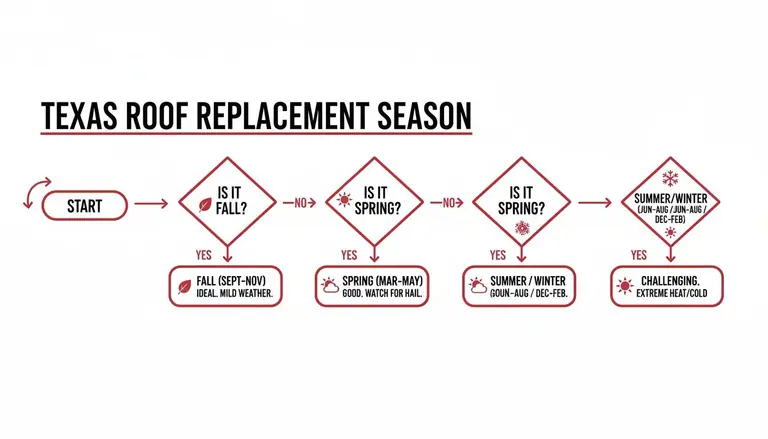
As you can see, fall and late spring are generally the best times here in Texas. But a good crew can handle a replacement in any season—summer and winter just require a bit more careful planning around the weather.
Structural Issues That Demand Immediate Action
While damaged shingles are a serious concern, some issues point to a much deeper, structural problem that you simply can't put off. These aren't just signs of a failing roof; they're signs of a roof in imminent danger.
A sagging roof deck is the most urgent warning sign of all. If your roofline has a noticeable dip or sway in the middle, looking a bit like a hammock, it’s a red alert. This usually means the underlying support structure is rotting and has been severely weakened by moisture.
This isn’t something to add to a to-do list. It’s a true emergency that could lead to a collapse. If you see any sagging, call a trusted roofer for an immediate inspection.
How to Handle Roof Replacement After a Hailstorm
Here in Texas, we all know it's not a matter of if a hailstorm will hit, but when. And when it does, the best time to get your roof replaced is right away. Having a game plan turns that post-storm chaos into a manageable project that protects your house and your wallet.
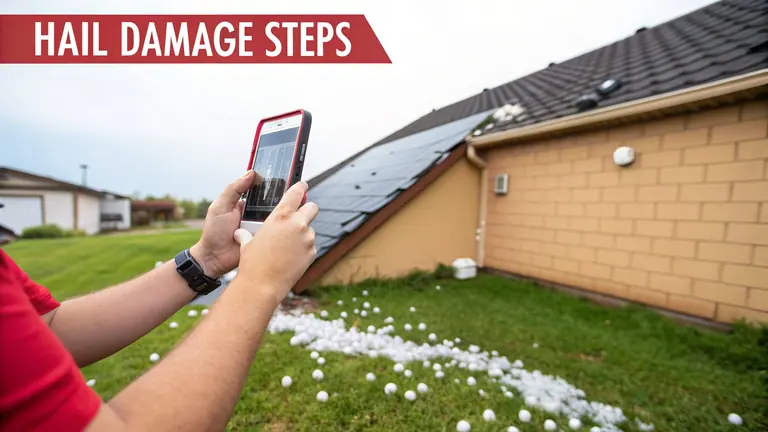
Those first few hours after the sky clears are crucial. Your first instinct might be to get your insurance agent on the phone, but hold that thought. Your first call should actually be to a trusted, local roofing contractor. A good roofer becomes your advocate, giving you a professional damage assessment you can take to the insurance company to build a rock-solid claim.
This is where you need to be smart. After any big hailstorm, the "storm chasers" flood in. These are out-of-town crews who knock on every door, make big promises, and then vanish once they're paid, often leaving behind shoddy work and a worthless warranty. Stick with a local company that has deep roots and a solid reputation in the community.
Your Post-Storm Action Plan
Once the storm is over and it's safe to head outside, it's time to start gathering evidence. What you document right now is gold for your insurance claim.
- Take Ground-Level Photos: Do a lap around your house. Snap pictures of everything—dents in your gutters, dings on your A/C unit, torn window screens, and even the hail still on the lawn.
- Document the Aftermath: Jot down the date and the time the storm hit. This simple detail helps your roofer and the insurance adjuster confirm the damage is fresh.
- Perform a Safe Interior Check: Inside, scan your ceilings and walls for any new water spots. That's a sign of an active leak that needs to be addressed immediately.
A Roofer's Pro-Tip: Your local roofer is your single most important ally in the insurance claims process. A great contractor will be there to meet the insurance adjuster, walk the roof with them, and point out every single dent, crack, and bruise. This teamwork ensures nothing gets missed and your claim covers the full cost of a proper replacement that’s up to code.
Investing in Long-Term Protection
Dealing with storm damage is a headache, no doubt. But it's also a perfect opportunity to make your home stronger for the next go-around. When you're replacing the roof, ask your contractor about upgrading to Class 4 impact-resistant shingles. These shingles are engineered and tested to handle hail up to 2 inches in diameter.
For any Texas homeowner, putting a Class 4 roof on your house is one of the smartest investments you can make. It’s not just about the superior protection; most insurance carriers offer some hefty premium discounts for homes with impact-resistant roofing. That one upgrade can easily pay for itself through lower insurance bills and fewer repair headaches down the road. To get a better handle on the entire process, you can learn more about how to navigate hail damage roof replacement claims and see why having a professional partner is a game-changer.
The Financial Timeline for Your Roof Replacement Budget
Putting a new roof on your home is a major expense, there's no way around it. But how you time that expense can be the difference between a manageable, planned project and a full-blown financial crisis.
Think of it this way: a proactive replacement is like a scheduled surgery. It's on your calendar, you've budgeted for it, and you're in control. An emergency replacement after your roof has already failed? That’s a trip to the ER—unpredictable, stressful, and always far more expensive.
For most asphalt shingle roofs, which have a typical 20-30 year lifespan, the financial "sweet spot" for replacement often arrives around year 25. This timing lets you get the most out of your current roof without gambling against a catastrophic leak, which can lead to thousands in secondary damage like rotted decking and attic mold.
This isn't just a small-scale issue. The U.S. roofing industry is massive, with contractors generating over $56 billion in 2023. With the average cost of a new roof falling between $21,000 and $30,000, having a smart financial game plan is absolutely essential for any homeowner.
Proactive Planning Versus Reactive Spending
Waiting until you see a water spot on your ceiling is a costly mistake. At that point, you're not just paying for new shingles; you're also on the hook for water damage restoration, new drywall, and maybe even mold remediation. Those surprise costs can easily double the final bill.
Taking a proactive approach, on the other hand, puts you firmly in the driver's seat.
A proactive roof replacement is a predictable investment in your home's protection. A reactive replacement after a leak is an unpredictable and costly crisis that can drain your savings.
To illustrate this, let's compare the real-world costs of a planned project versus an emergency one. The difference is staggering.
Cost of Waiting vs Proactive Replacement
| Action | Proactive Replacement (Year 25) | Emergency Replacement (After Failure) |
|---|---|---|
| Roof Cost | ~$25,000 | ~$28,000 (rush job premium) |
| Decking Repair | ~$500 (minor spots) | ~$3,000 (widespread rot) |
| Interior Repair | $0 | ~$4,500 (drywall, paint, insulation) |
| Mold Remediation | $0 | ~$2,500 (if mold develops) |
| Total Cost | ~$25,500 | ~$38,000+ |
As you can see, being proactive doesn't just save money—it saves you from a massive, multi-front headache that affects your entire home.
One of the best ways to prepare for this is to set up a dedicated savings strategy. Many savvy homeowners use a sinking fund for exactly this purpose. It’s a simple concept: you set aside a small, manageable amount of money each month specifically for your future roof, so the cash is ready when you are.
Modern Financing Makes It Affordable
Here’s the good news: you don't need to have $25,000 sitting in your checking account to get a new roof. Flexible financing has made this crucial home investment more accessible than ever before. Reputable contractors, including us at Hail King Professionals, often provide plans with no prepayment penalties.
This flexibility empowers you to protect your home when it needs it most, not just when you happen to have a large amount of cash on hand. You can act on the ideal timeline without draining your emergency savings.
To see how all these pieces—inspection, insurance, and financing—fit together, take a look at our complete guide to the roof replacement timeline.
Planning Your Project with Solar Panels and Other Upgrades
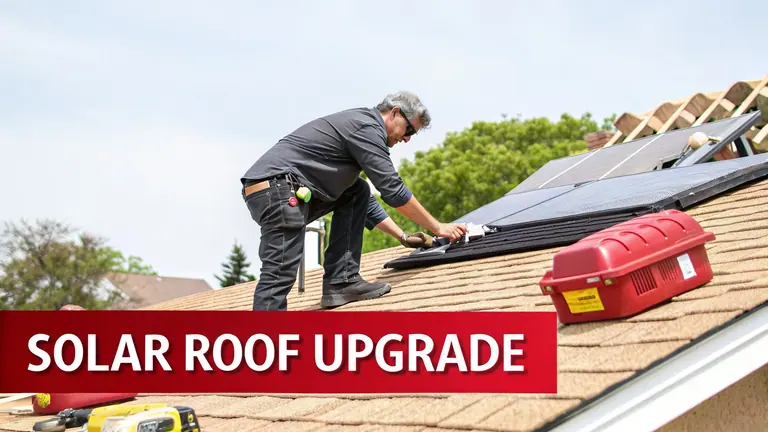
If you've got solar panels, replacing your roof isn't just about shingles and nails. It’s a bigger operation that brings your entire home’s exterior system into focus. The key part of this process is the detach and reset of your solar array. This is a delicate, specialized job—and absolutely not a DIY project.
A dedicated solar crew needs to carefully remove your panels and the racking they sit on. Only then can the roofers do their job properly. Once the new roof is on, that same solar crew returns to expertly reinstall everything. Attempting to have roofers just "work around" the panels is a massive mistake. It's a surefire way to damage your expensive solar equipment, void warranties, and even compromise the integrity of your brand-new roof.
Coordinating Solar with a New Roof
Timing is everything here. You’re essentially lining up two different expert teams: your roofing contractor and the solar technicians. Getting this coordination right from the start is what separates a smooth project from a logistical nightmare full of delays and extra costs.
When you bundle the solar detach and reset with the roof replacement, you ensure everyone is on the same page. It protects your warranties and guarantees that every single component goes back exactly where it should, performing just as it did before.
The best approach is to treat this as a single, unified project from day one. When your roofer and solar company are in sync, communication gaps disappear, and you can rest easy knowing both your roof and your solar system are in good hands.
This is also the perfect moment to think about the future of your home's energy system. Have you considered adding a battery? For instance, an AC coupling battery can be a fantastic upgrade to an existing solar setup, giving you better energy storage and resilience during outages. We dive deep into all the moving parts in our guide to solar panel roof replacement.
Bundling Other Exterior Upgrades
So, you've already got a crew on-site and you're making a major investment in your home. Why stop with just the roof? This is the most efficient time to tackle other exterior upgrades that are on your to-do list.
- New Gutters: Your old, worn-out gutters might not be ready for the water-shedding power of a new roof. Installing new gutters at the same time ensures your entire water management system works flawlessly together.
- Exterior Painting: Nothing transforms a home’s curb appeal like a fresh coat of paint combined with a brand-new roof. It's an instant value booster.
- Siding or Window Screens: If a storm damaged your roof, chances are it dinged up other parts of your exterior, too. Bundling repairs for siding or window screens is just plain smart.
By tackling these projects all at once, you’re not just saving time and money on labor—you’re creating a cohesive, beautiful, and more resilient exterior for your home.
Answering Your Top Roof Replacement Questions
When it’s time to think about a new roof, a lot of questions pop up. It’s a big project, and you want to get it right. Here are some straightforward answers to the questions we hear most often from Texas homeowners.
How Long Does a Typical Roof Replacement Take?
I know what you're really asking: "How long will my yard be a construction zone?" The good news is, it's faster than most people think. For an average-sized home, a seasoned crew can have the entire job done in just one to three days.
Of course, a few things can affect that timeline—a particularly large or steep roof, complex angles, and unpredictable Texas weather. A good roofer’s goal is always to work efficiently and keep the disruption to a minimum, protecting your home and landscaping throughout the process.
Will Insurance Cover a Roof Replacement Due to Old Age?
This is a common point of confusion, and the short answer is almost always no. Homeowner's insurance is designed to cover unexpected, sudden damage from events like hail or high winds. It’s not a warranty for parts of your home that simply wear out over time.
The key distinction insurance companies make is between sudden damage and gradual decline. Think of it like car tires—your auto insurance won't buy you a new set when the tread wears thin, but it will if you get a blowout from hitting a massive pothole.
However—and this is important—if your older roof gets hit by a storm and sustains legitimate damage, your insurance should cover the claim. This is why a professional inspection is so crucial; we can identify qualifying storm damage that obligates the insurer to pay for a replacement, regardless of the roof's age.
Is It Better to Repair or Replace My Roof?
This decision really comes down to the roof's age and the extent of the problem.
- Repair: This makes sense for a younger roof with a small, isolated issue. If a windstorm took off a few shingles but the rest of the roof is in great shape, a simple repair is the way to go.
- Replace: This is the smarter, safer, and more cost-effective choice in the long run if your roof is over 20 years old, has widespread issues like heavy granule loss, or has significant damage across multiple areas from a storm.
As a general rule of thumb, if the cost of repairs starts creeping up past 30% of what a full replacement would cost, investing in a new roof is almost always the better financial decision.
What Is a Class 4 Impact-Resistant Shingle?
A Class 4 shingle is the toughest residential shingle you can buy. To earn that rating, it has to pass a brutal lab test: withstanding the impact of a two-inch diameter steel ball dropped from 20 feet without cracking. This test simulates the force of large, destructive hailstones.
For anyone living in a hail-prone area like Dallas-Fort Worth, upgrading to Class 4 shingles is one of the smartest investments you can make. It drastically reduces the odds of future storm damage and often earns you a pretty hefty discount on your homeowner's insurance premiums.
Planning the right time for your roof replacement begins with knowing exactly what you're dealing with. Contact Hail King Professionals today for a free, same-day assessment. We'll give you a clear, honest picture of your roof's condition and a transparent plan for protecting your home. Get your free inspection from Hail King Professionals.